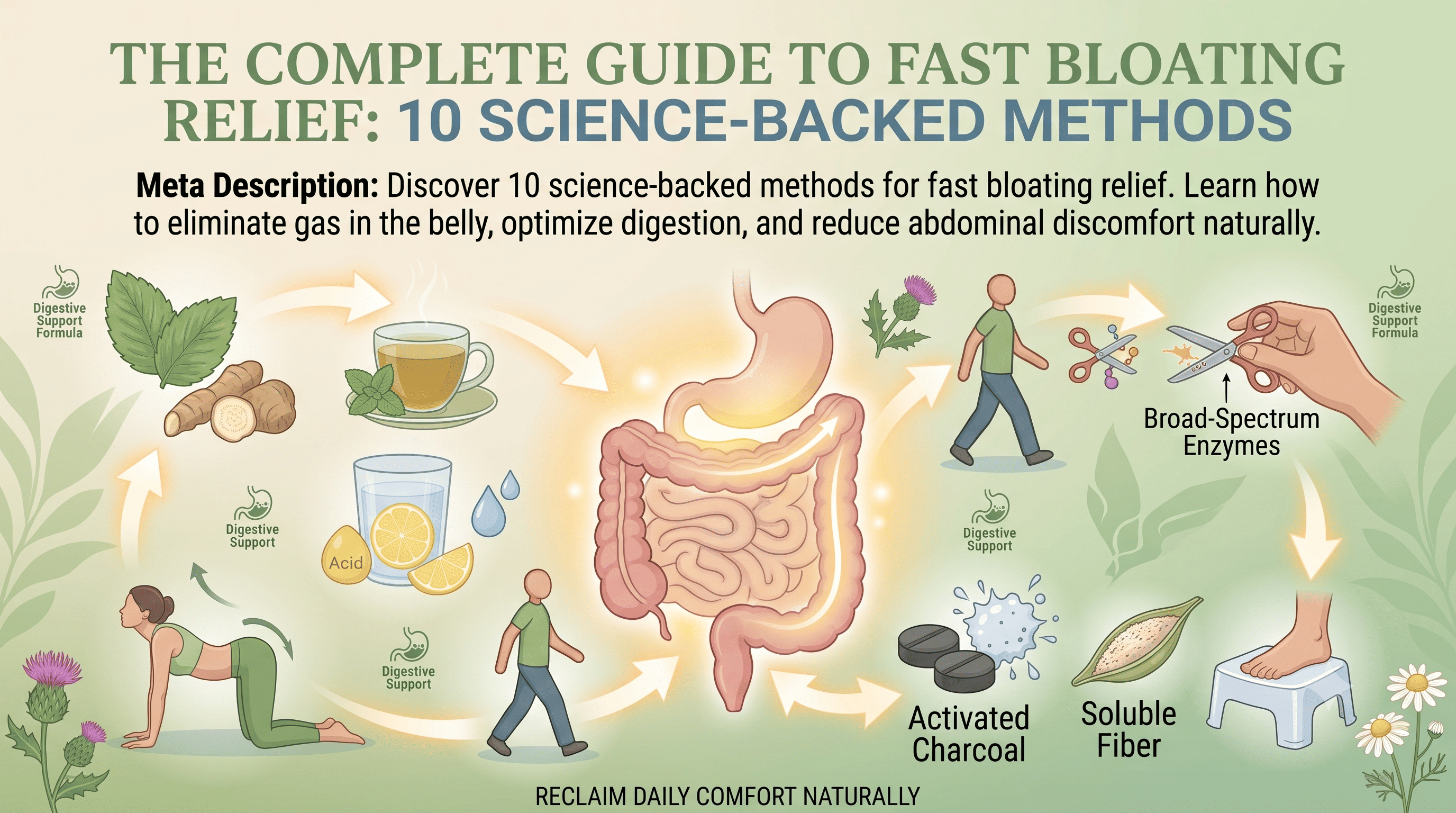
The Complete Guide to Fast Bloating Relief: 10 Science-Backed Methods
Discover 10 science-backed methods for fast bloating relief. Learn how to eliminate gas in the belly, optimize digestion, and reduce abdominal discomfort naturally.
disclosure This article contains affiliate links. Purchases may earn us a commission at no extra cost to you. We only recommend products we've reviewed.
The Complete Guide to Fast Bloating Relief: 10 Science-Backed Methods
Waking up with a flat stomach only to feel uncomfortably tight, swollen, and gaseous by mid-afternoon is a frustratingly common experience. Abdominal distension and trapped gas do not just cause physical discomfort—they disrupt your confidence, affect your daily productivity, and signal underlying friction within your gastrointestinal tract.
While society often dismisses bloating as an unavoidable consequence of eating, persistent swelling is a direct biological signal that your body is struggling to process, break down, or eliminate dietary compounds efficiently. Whether caused by rapid microbial fermentation, sluggish bowel motility, or stress-induced gut sensitivity, finding reliable relief requires a targeted approach.
In this ultimate guide, we will break down the physiological mechanisms behind trapped intestinal gas, explore 10 evidence-based strategies for fast bloating relief, address over-the-counter options versus natural remedies, and establish daily habits for long-term gut harmony.
What Causes Trapped Gas and Abdominal Distension?
Before implementing targeted remedies, it is essential to understand why your stomach swells. Bloating is primarily driven by three distinct biological triggers in your digestive tract:
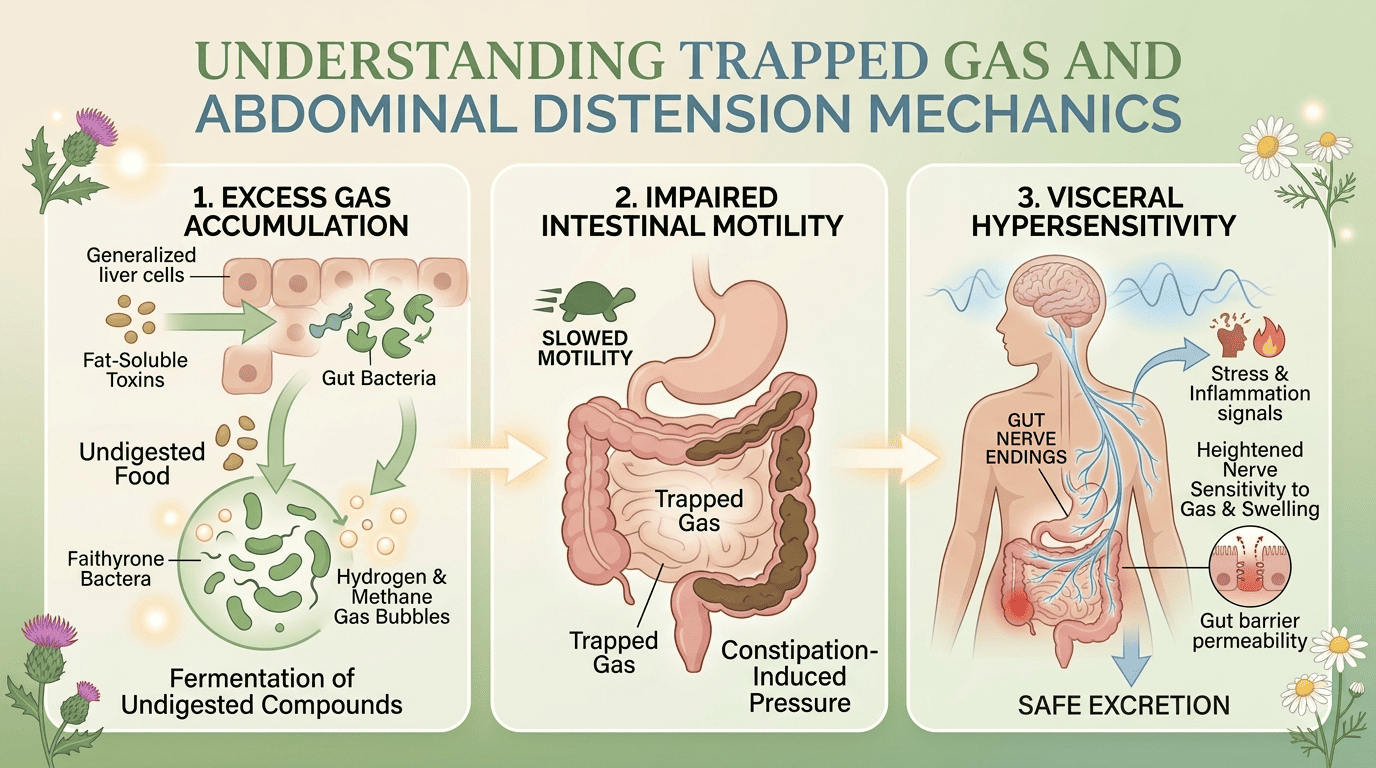
1. Excess Gas Accumulation
When dietary carbohydrates, proteins, or sugar alcohols are incomplete digested in the upper GI tract, they pass into the large intestine. Resident gut microbes rapidly ferment these unabsorbed compounds, generating carbon dioxide, hydrogen, and methane gases.
2. Impaired Intestinal Motility
If your digestive tract moves too slowly (due to low fiber intake, dehydration, or sluggish nerve signaling), food waste remains in the colon longer than necessary. This delay allows bacteria extra time to ferment waste, causing continuous gas production and constipation-induced pressure.
3. Visceral Hypersensitivity
For individuals with sensitive gut nerve endings, even normal amounts of intestinal gas can trigger severe pain and a sensation of extreme swelling. Stress, systemic inflammation, and gut barrier permeability heighten this nerve sensitivity along the gut-brain axis.
👉 Check out this [Advanced Gut Rebuild Formula] for daily lining support and balanced inflammation levels.
10 Science-Backed Methods for Fast Bloating Relief
To eliminate trapped gas and restore abdominal comfort quickly, integrate these ten proven strategies into your wellness routine.
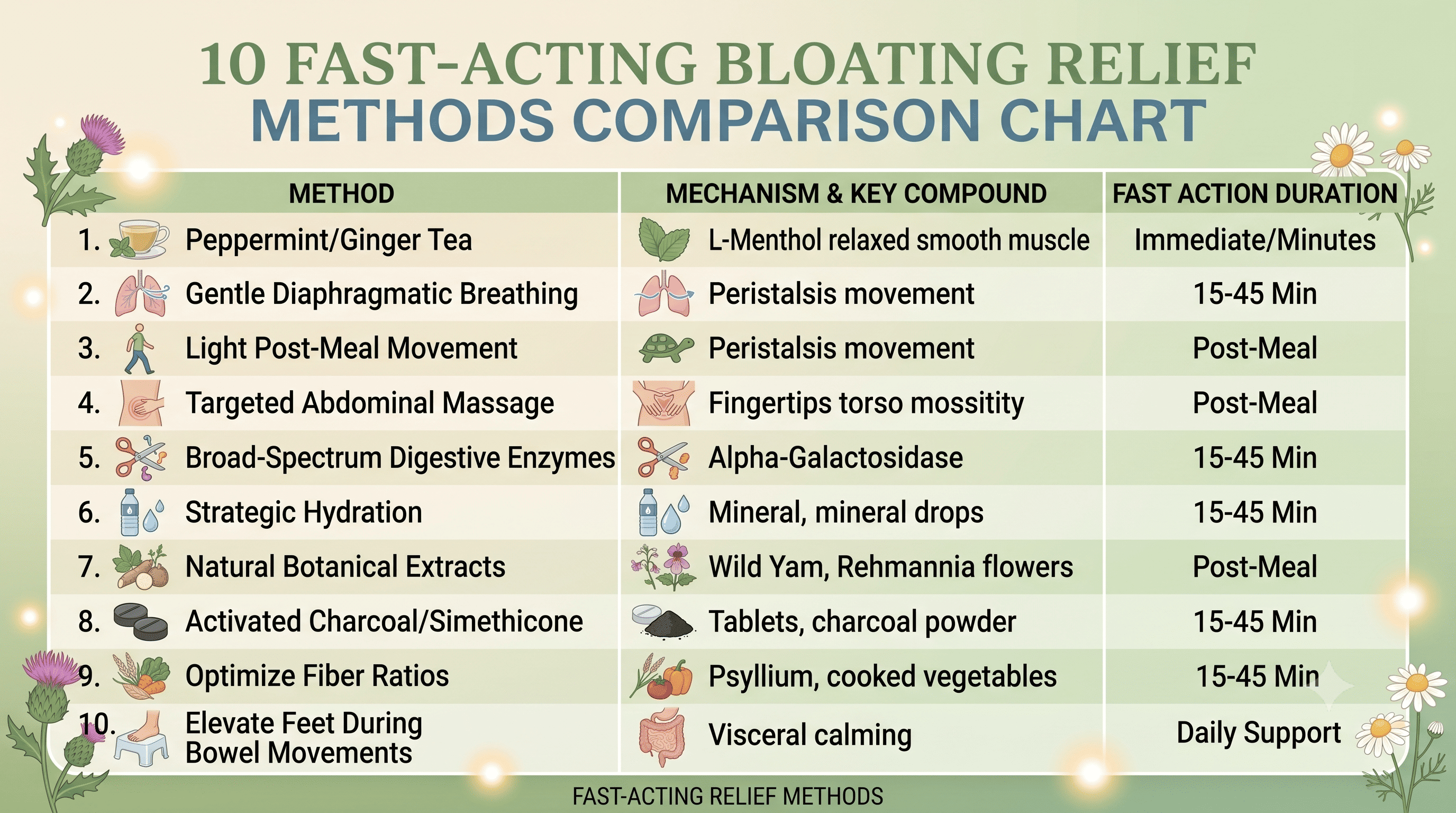
1. Sip Warm Peppermint or Ginger Tea
Peppermint (Mentha piperita) contains L-menthol, a botanical compound that exerts an antispasmodic effect on smooth intestinal muscle. It relaxes GI tract walls, allowing trapped gas bubbles to dissipate smoothly. Ginger accelerates gastric emptying, preventing food from lingering in the stomach.
2. Perform Gentle Diaphragmatic Breathing
Stress activates your sympathetic nervous system ("fight or flight"), halting digestive enzyme secretion and slowing intestinal motility. Taking 5 to 10 deep, slow diaphragmatic breaths before and after meals activates the vagus nerve, shifting your body into a "rest and digest" state.
3. Engage in Light Post-Meal Movement
Sitting or lying down immediately after eating traps gas within abdominal folds. A brisk 10 to 15-minute walk encourages physical peristalsis—the wave-like muscle contractions that propel food and gas through your intestines.
4. Utilize Targeted Abdominal Massage
Massaging your abdomen following the natural path of your colon helps manually guide trapped gas toward elimination.
How to do it: Lightly press your fingertips on the lower right side of your stomach, move up toward your right ribcage, sweep across to the left ribcage, and down to your lower left side (the "ILU" or I-Love-You massage technique).
5. Take Broad-Spectrum Digestive Enzymes
If bloating occurs within 60 minutes of eating, supplemental enzymes (such as amylase, protease, lipase, and alpha-galactosidase) act as chemical scissors to break down tough fibers, fats, and starches before gut microbes can ferment them.
6. Practice Strategic Hydration Between Meals
Drinking massive amounts of water during meals can dilute stomach acid and digestive juices, slowing down meal breakdown. Instead, hydrate generously between meals with warm, room-temperature water or mineral-rich electrolytes to keep stool soft and bowel movements regular.
7. Try Natural Botanical Extracts
Herbal traditions have long relied on targeted botanicals to calm gut inflammation and promote fluid dynamics:
- Poria Cocos: A natural mushroom extract used to support fluid balance and reduce abdominal dampness.
- Wild Yam: Helps soothe smooth muscle spasms throughout the lower GI tract.
- Rehmannia Root: Supports mucosal lining integrity and calms localized gut heat.
👉 Check out this [Advanced Gut Rebuild Formula] for daily lining support and balanced inflammation levels.
8. Use Activated Charcoal or Simethicone for Acute Relief
For immediate over-the-counter (OTC) intervention:
- Simethicone: Works by breaking the surface tension of gas bubbles so they combine into larger, easily passed bubbles.
- Activated Charcoal: Binds to gaseous byproducts in the lower GI tract, though it should be used sparingly as it can also bind to nutrients and medications.
9. Optimize Fiber Ratios Gradually
While fiber is critical for long-term microbial health, introducing high amounts of insoluble fiber too quickly can cause massive gas generation. Focus on soluble, gel-forming fibers (like psyllium husk or cooked root vegetables) and increase intake slowly while upping water intake.
10. Elevate Your Feet During Bowel Movements
Incomplete elimination is a leading cause of lower abdominal bloating. Using a footstool (like a Squatty Potty) unkinks the puborectalis muscle, aligning the rectum for effortless, complete bowel movements.
24-Hour Action Plan for Severe Bloating Reset
If you wake up experiencing severe abdominal distension, follow this structured 24-hour protocol to reset your GI system safely:
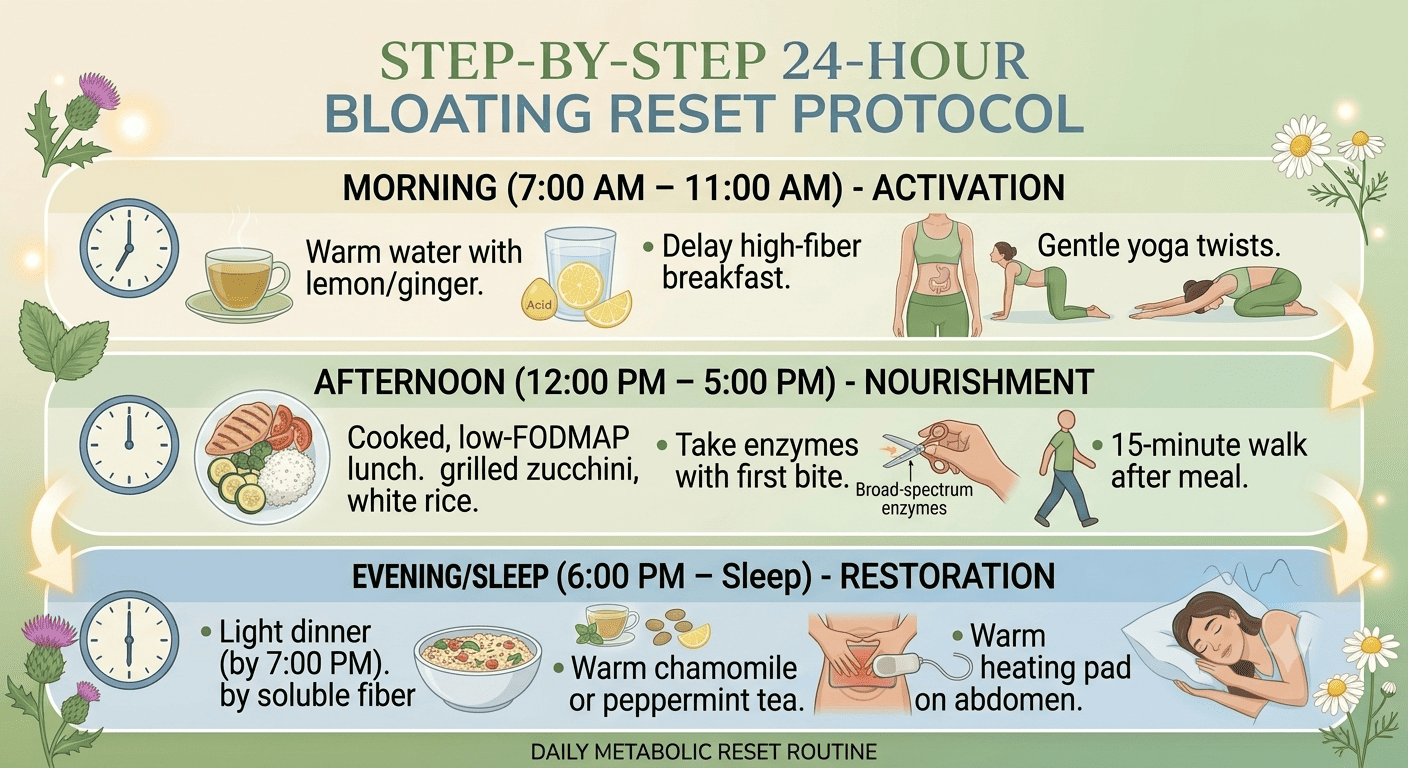
- Morning (7:00 AM – 11:00 AM): Drink 16 oz of warm water with fresh lemon or ginger. Perform 10 minutes of gentle yoga twists (such as Cat-Cow and Child's Pose). Delay high-fiber breakfast until your digestive system wakes up.
- Afternoon (12:00 PM – 5:00 PM): Eat a cooked, low-FODMAP lunch (such as grilled chicken with cooked zucchini and white rice). Take broad-spectrum enzymes with your first bite. Take a 15-minute walk after eating.
- Evening (6:00 PM – 10:00 PM): Keep dinner light and finish eating at least 3 hours before bed. Sip warm chamomile or peppermint tea. Apply a warm heating pad to your lower abdomen for 20 minutes before sleep.
Long-Term Habits to Keep Your Stomach Flat and Comfortable
Short-term relief tactics are essential, but long-term bloating prevention relies on consistent daily habits:
- Chew Food Thoroughly: Aim for 20 to 30 chews per bite to mix food with salivary amylase, reducing the mechanical workload on your stomach.
- Avoid Swallowing Air: Minimize chewing gum, drinking through straws, carbonated beverages, and eating while talking rapidly.
- Identify Personal Food Sensitivities: Keep a 14-day food and symptom journal to spot patterns with dairy, gluten, high-FODMAP sugars, or artificial sweeteners.
- Prioritize Restorative Sleep: Poor sleep alters gut microbiota composition and heightens visceral pain perception along the gut-brain axis.
Frequently Asked Questions (FAQ)
- How fast can I get rid of stomach bloating? Targeted remedies like peppermint tea, gentle walking, abdominal massage, or simethicone can provide noticeable gas relief within 15 to 45 minutes. Complete reduction of fluid retention and tissue swelling typically occurs within 12 to 24 hours.
- Is abdominal bloating a sign of something serious? Most bloating is caused by diet, trapped gas, or slow motility. However, consult a healthcare provider if bloating is persistent, worsening, or accompanied by severe pain, sudden weight loss, fever, or blood in your stool.
- Can drinking water help relieve bloating? Yes. Hydration helps flush excess sodium that causes fluid retention and softens stool in the colon to prevent constipation-induced gas buildup. Sip room-temperature water steadily throughout the day.
- Why do I get bloated even when I eat healthy foods? Many healthy foods—such as broccoli, onions, apples, and lentils—are high in fermentable fibers (FODMAPs). If your digestive enzymes are low or your gut microbiome is imbalanced, these healthy foods ferment rapidly, generating gas.
- Should I take probiotics or enzymes for bloating? Enzymes work immediately with meals to break down food compounds. Probiotics work over several weeks to balance gut bacteria and improve long-term motility. For fast post-meal relief, enzymes are usually the better choice.
- Why is my stomach flatter in the morning and bloated at night? Over the course of the day, food, liquids, and swallowed air accumulate in your GI tract as digestive processing occurs. If motility is slow or fermentation is high, gas gradually expands your abdomen by evening.
- Does walking really help release trapped gas? Yes. Physical movement stimulates natural peristalsis in the intestinal walls and uses gravity to help move trapped gas pockets through the bends of your digestive tract.
- Can stress alone cause severe stomach bloating? bsolutely. Stress triggers the release of cortisol and adrenaline, which alters gut motility, decreases enzyme production, increases intestinal permeability, and makes gut nerves hyper-sensitive to normal gas volumes.
- What is the difference between bloating and weight gain? Bloating is temporary abdominal distension caused by gas, fluid, or food waste, which fluctuates throughout the day. Weight gain involves the accumulation of body fat or muscle mass and occurs gradually over weeks.
- How do botanical extracts like Poria and Wild Yam assist with digestion? Traditional botanical extracts contain natural bioflavonoids and saponins that calm smooth muscle spasms, promote balanced fluid drainage, and soothe inflamed mucosal tissues in the gastrointestinal tract.
Reclaim Daily Comfort with Proven Digestive Support
As we explored in this guide, achieving fast bloating relief requires addressing both immediate gas accumulation and underlying digestive efficiency. By combining quick-acting physical techniques with long-term dietary optimization, you can break the cycle of uncomfortable post-meal swelling for good.
To ensure your digestive tract breaks down meals effortlessly and maintains smooth intestinal motility, integrating a high-potency daily supplement is essential. We recommend supporting your routine with the [Advanced Liver & Digestive Support Blend]. Formulated with premium botanical extracts, natural enzymes, and soothing herbs, it provides daily defense against trapped gas, abdominal tightness, and sluggish digestion.
👉 Check out this [Advanced Gut Rebuild Formula] for daily lining support and balanced inflammation levels.
keep reading
Gut Health & Supplements
DigestiStart Review: Can This Herbal Formula Help Restore Digestive Health & Relieve Bloating?
Gut Health & Supplements
The Ultimate Guide to GERD: Causes, Symptoms & Natural Relief
Gut Health & Supplements