The Ultimate Guide to Digestive Enzymes vs. Probiotics for Bloating Relief
Compare digestive enzymes vs. probiotics for bloating relief. Learn how each works, which one to take for gas and post-meal pressure, and how to combine them.
disclosure This article contains affiliate links. Purchases may earn us a commission at no extra cost to you. We only recommend products we've reviewed.
The Ultimate Guide to Digestive Enzymes vs. Probiotics for Bloating Relief
Experiencing persistent post-meal bloating, uncomfortable abdominal tightness, or unpredictable bowel habits can leave you feeling frustrated and overwhelmed. With dozens of gut health supplements lining pharmacy shelves, two specific categories dominate the conversation: digestive enzymes and probiotics. While both promise to soothe your digestive tract and reduce abdominal distension, they operate through completely different biological mechanisms.
Choosing the wrong supplement for your specific symptoms can lead to disappointing results, wasted money, or even temporary worsening of gas and discomfort. Understanding whether your body requires immediate chemical support to break down complex food compounds or long-term microbial balancing is the secret to finding fast, lasting relief.
In this comprehensive guide, we will break down the fundamental biological differences between digestive enzymes and probiotics, analyze which remedy targets specific types of digestive distress, provide a complete comparison framework, and outline how to safely stack both for optimal gut performance.
Digestive Enzymes vs. Probiotics: Understanding the Core Differences
To choose the right solution for your stomach discomfort, you must first understand the distinct physiological role each supplement plays in your gastrointestinal tract.
What Are Digestive Enzymes?
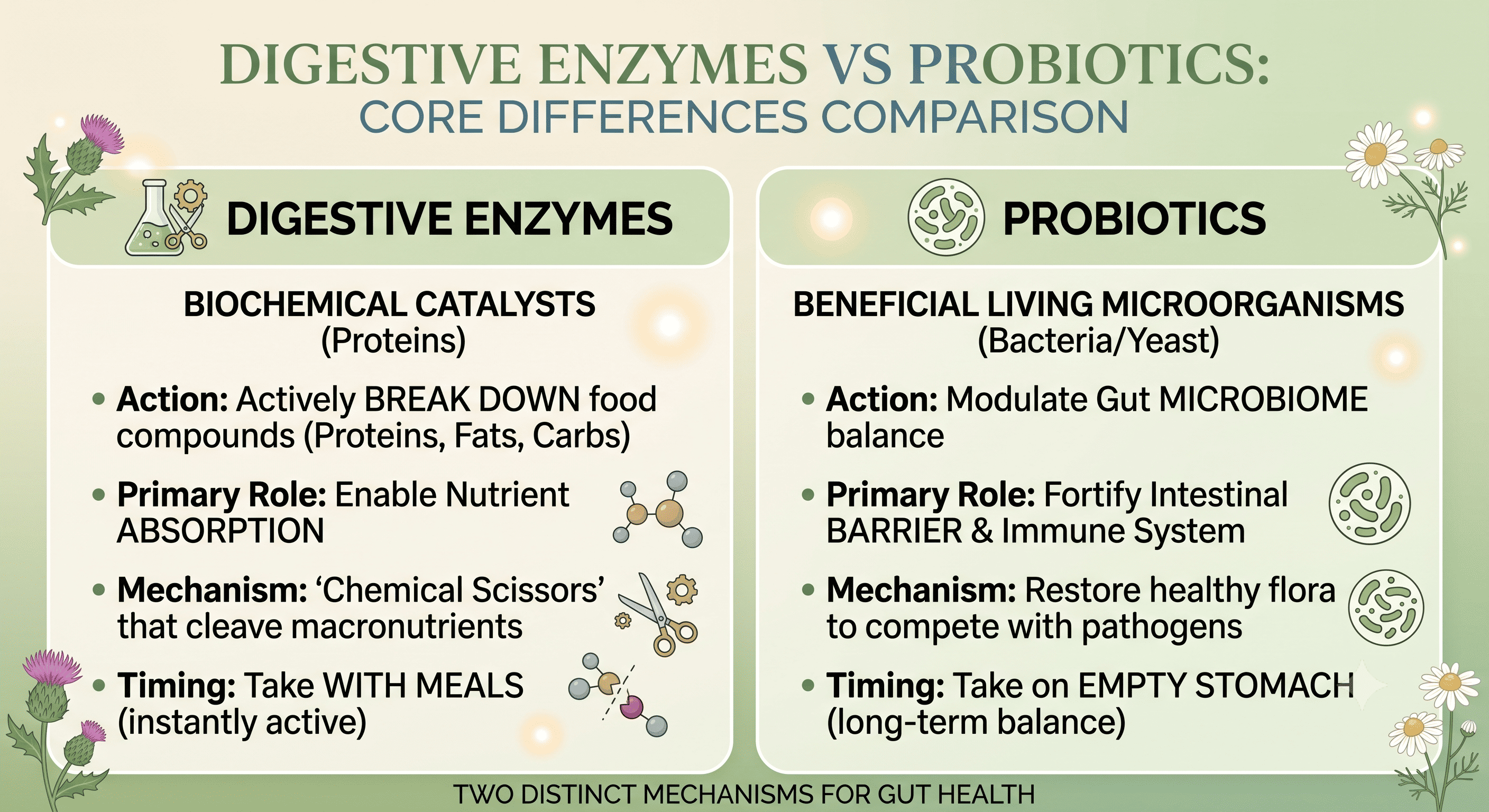
Digestive enzymes are specialized catalytic proteins produced primarily by your salivary glands, stomach, pancreas, and small intestine. Their primary responsibility is to act as chemical scissors, breaking down complex macronutrients (proteins, fats, and carbohydrates) into tiny, bioavailable molecules that your intestinal lining can absorb.
When your body produces insufficient digestive enzymes (a condition known as exocrine pancreatic insufficiency or functional enzyme deficiency), undigested food particles pass directly into the large intestine. There, resident bacteria rapidly ferment these unabsorbed sugars and proteins, generating massive amounts of hydrogen and methane gas within minutes to hours after eating.
Key digestive enzymes include:
- Protease: Cleaves dietary proteins into amino acids.
- Lipase: Hydrolyzes fats and oils into fatty acids and glycerol.
- Amylase: Converts complex starches into simple sugars.
- Lactase: Specifically breaks down lactose (milk sugar).
- Alpha-Galactosidase: Cleaves complex oligosaccharides found in beans, lentils, and cruciferous vegetables.
What Are Probiotics?
Probiotics are living, beneficial microorganisms—primarily beneficial bacteria strains and specialized yeasts—that colonize your gastrointestinal tract. Rather than actively digesting your lunch, probiotics work over time to balance your gut microbiome, modulate your immune response, and strengthen the physical mucosal barrier of your intestines.
A healthy, diverse gut microbiome keeps opportunistic, gas-producing bacteria in check, regulates intestinal motility, and ferments dietary fiber into short-chain fatty acids (SCFAs) like butyrate, which nourish and repair the intestinal lining.
Key probiotic strain families include:
- Lactobacillus: Predominantly inhabits the small intestine, producing lactic acid to maintain a healthy, low pH environment.
- Bifidobacterium: Colonizes the large intestine, supporting motility, suppressing pathogens, and reducing abdominal distension.
- Saccharomyces boulardii: A beneficial probiotic yeast that supports mucosal immunity and prevents opportunistic overgrowth.
👉 Check out this [Advanced Gut Rebuild Formula] for daily lining support and balanced inflammation levels.
When to Take Digestive Enzymes for Bloating
Digestive enzymes are your first line of defense if your bloating follows a predictable, immediate timeline after consuming specific foods.
1. Immediate Post-Meal Fullness (0–60 Minutes)
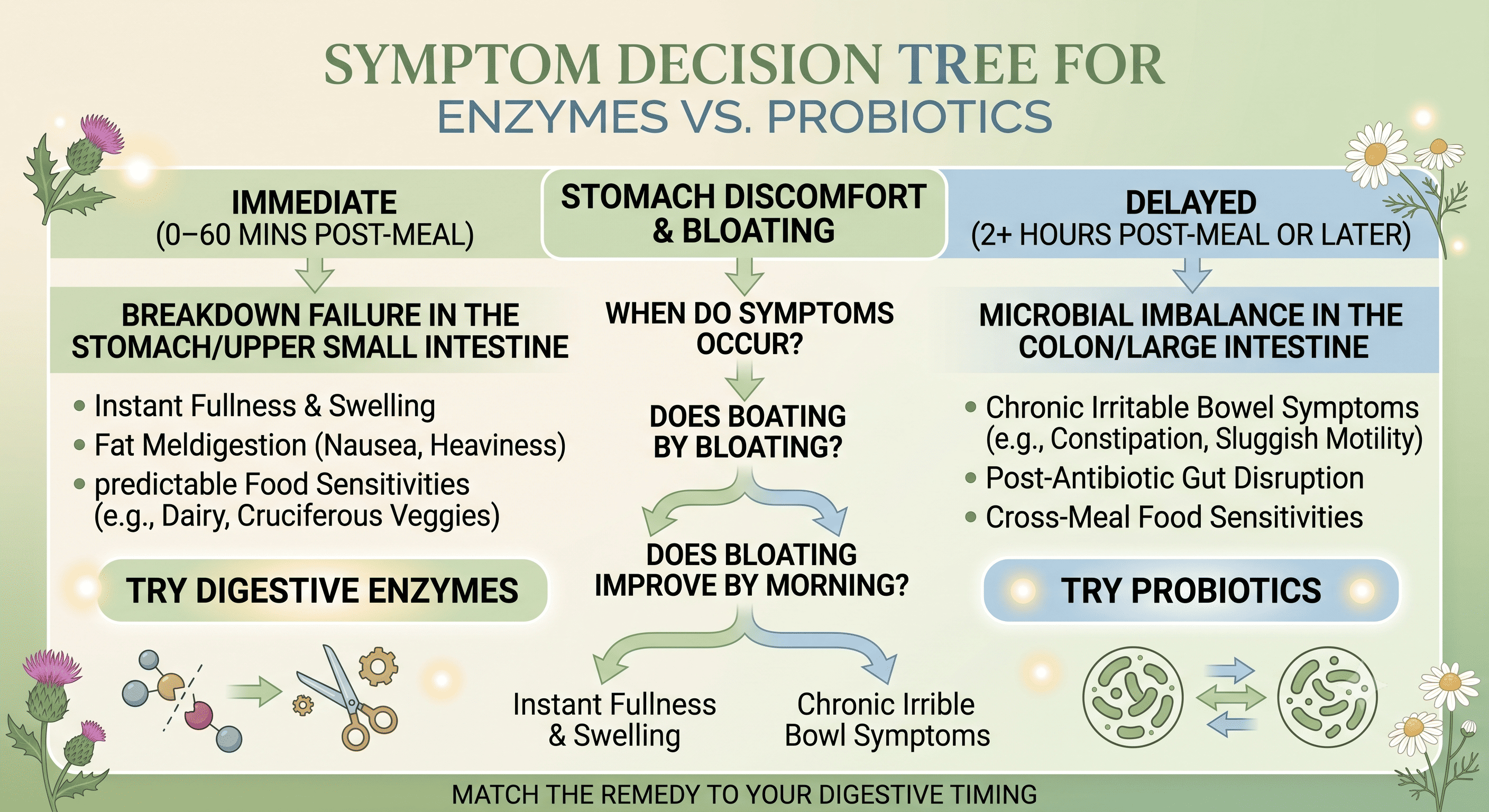
If your stomach swells rapidly within an hour of finishing a meal, the primary issue is likely a breakdown failure in the stomach or upper small intestine. Taking digestive enzymes with your first bite ensures that food is broken down before reaching gas-producing gut microbes.
2. Specific Food Intolerances
Enzymes are highly targeted tools designed for specific chemical bonds:
- Lactose Intolerance: If dairy causes immediate cramping, lactase enzyme supplementation provides direct relief.
- High-FODMAP Sensitivity: If healthy foods like garlic, onions, broccoli, or lentils trigger painful swelling, alpha-galactosidase prevents bacterial fermentation.
- Fat Maldigestion: If greasy or high-fat meals leave you feeling nauseous or heavy, high-lipase formulas accelerate gastric emptying.
3. Aging and Low Stomach Acid
Natural enzyme production steadily declines as we age. Furthermore, chronic stress, overuse of antacids, and low stomach acid (hypochlorhydria) impair the signals that trigger pancreatic enzyme release. Supplementing with broad-spectrum enzymes restores efficient digestion regardless of acid levels.
When to Take Probiotics for Bloating
While enzymes provide fast-acting mechanical help, probiotics offer systemic, long-term restoration for chronic microbial imbalances.
1. Delayed Bloating and Constipation (2+ Hours Post-Meal)
If your bloating develops several hours after eating or worsens as the day progresses, the problem typically resides in the colon. Sluggish motility and constipation allow waste to sit in the large intestine, causing continuous gas buildup. Probiotic strains like Bifidobacterium lactis help regulate transit time.
2. Post-Antibiotic Digestive Disruption
Broad-spectrum antibiotics eradicate beneficial gut flora alongside harmful pathogens, leaving your digestive tract vulnerable to dysbiosis. Introducing multi-strain probiotics helps re-establish a balanced ecosystem and restores natural mucosal defenses.
3. Chronic Irritable Bowel Symptoms and Systemic Inflammation
If your bloating is accompanied by irregular stool consistency, skin flare-ups, or food sensitivities across all meal types, probiotics work systematically to reduce gut permeability ("leaky gut") and calm localized intestinal inflammation.
👉 Check out this [Advanced Gut Rebuild Formula] for daily lining support and balanced inflammation levels.
How to Safely Combine Enzymes and Probiotics
For many individuals struggling with complex digestive issues, combining digestive enzymes and probiotics offers a powerful, dual-action approach: enzymes handle the immediate mechanical workload of digestion, while probiotics rebuild the internal ecosystem over time.
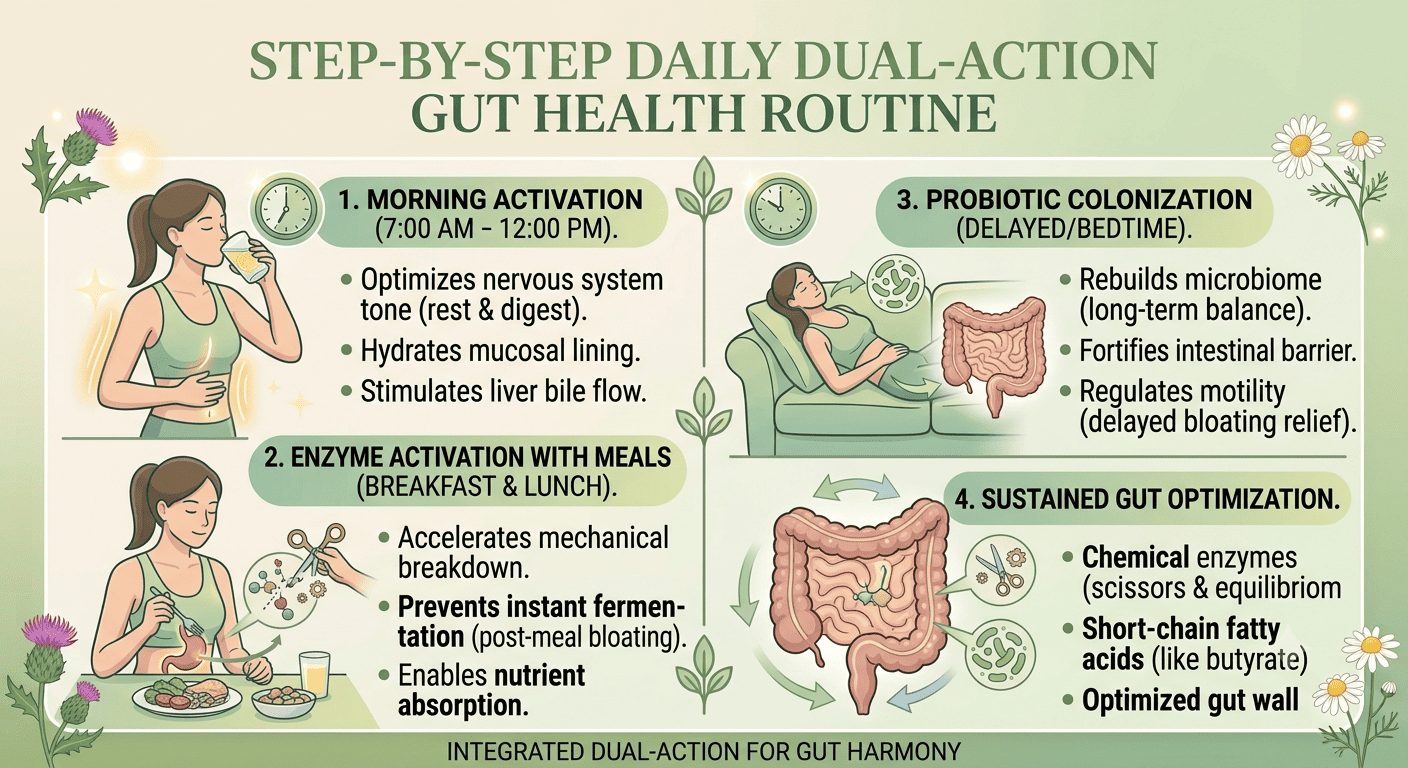
To maximize the efficacy of both supplements without causing interference, follow this simple daily scheduling routine:
- Step 1 (With Meals): Take your broad-spectrum digestive enzymes with the very first bite of your largest meals (breakfast, lunch, or dinner). This places the enzymes in direct physical contact with food particles inside the stomach.
- Step 2 (Between Meals or at Bedtime): Take your probiotic supplement either 30 minutes before breakfast or right before going to bed on an empty stomach. Taking probiotics when stomach acid is low allows live bacterial cultures to pass safely into the intestines without being degraded by harsh digestive juices.
- Step 3 (Maintain Hydration): Drink plenty of room-temperature water throughout the day to support mucosal hydration and assist fiber transit.
Long-Term Habits for Complete Bloating Relief
While targeted supplementation provides essential support, sustainable digestive comfort requires addressing baseline lifestyle habits:
- Eliminate Swallowed Air: Avoid chewing gum, drinking through straws, or talking rapidly while eating to prevent aerophagia.
- Optimize Nervous System Tone: Practice 3 minutes of slow diaphragmatic breathing before meals to shift your nervous system into a parasympathetic ("rest and digest") state.
- Space Your Meals: Allow 3 to 4 hours between meals without continuous grazing to enable your Migrating Motor Complex (MMC) to sweep undigested debris through the digestive tract.
- Track Food Triggers: Maintain a simple food and symptom journal for 14 days to pinpoint personal sensitivity triggers without overly restrictive elimination diets.
Frequently Asked Questions (FAQ)
- Can I take digestive enzymes and probiotics at the exact same time? Yes, taking them together is safe and will not neutralize either supplement. However, for optimal survival of live probiotic strains, it is generally recommended to take enzymes with meals and probiotics on an empty stomach or at bedtime.
- How quickly do digestive enzymes work for bloating? Digestive enzymes work almost instantly. When taken with your first bite of food, they begin breaking down macronutrients in the stomach immediately, preventing post-meal gas buildup within 30 to 60 minutes.
- How long does it take for probiotics to reduce stomach bloating? Probiotics require time to colonize and shift your microbiome. While some individuals notice improved regularity within a few days, consistent daily use for 2 to 4 weeks is typically required to experience significant reductions in chronic bloating.
- Can probiotics actually cause temporary bloating when you first start? Yes. When introducing billions of live bacterial cultures into a dysbiotic gut, a temporary adjustment period known as "die-off" or adaptation can occur. Mild gas or bloating usually resolves within 3 to 7 days as your microbiome stabilizes.
- Do I need to take digestive enzymes for the rest of my life? Not necessarily. Many people use digestive enzymes strategically during periods of high stress, heavy meals, or while repairing their gut lining. Once stomach acid, pancreatic output, and dietary habits normalize, enzyme reliance often decreases.
- Are digestive enzymes safe for daily use? Yes. High-quality, plant-based or fungal-derived digestive enzymes are non-addictive and do not stop your pancreas from naturally producing its own enzymes when taken as directed.
- Which probiotic strains are best specifically for gas and bloating? Clinical trials highlight Bifidobacterium infantis, Lactobacillus plantarum, and Bifidobacterium lactis as particularly effective strains for lowering abdominal distension, reducing intestinal gas, and normalizing bowel frequency.
- Should I choose plant-based or animal-derived pancreatic enzymes? Plant-derived and fungal enzymes (such as those from Aspergillus niger) are stable across a wider pH range in the stomach, making them highly versatile for general bloating. Animal-derived pancreatin requires higher pH levels and is typically reserved for clinical deficiencies.
- Can low stomach acid cause bloating even if I take probiotics? Absolutly. Low stomach acid prevents proper protein denaturation and fails to trigger pancreatic enzyme release. In such cases, probiotics alone cannot fix the mechanical failure of undigested food fermenting in the upper GI tract.
- When should I see a healthcare provider about bloating? Consult a doctor if your bloating is accompanied by severe abdominal pain, rapid unexplained weight loss, chronic severe diarrhea, high fever, vomiting, or visible blood in your stool.
Give Your Digestive System the Targeted Relief It Deserves
As we explored in this guide, resolving frustrating bloating requires matching the right supplement strategy to your body's unique digestive timing. Whether you need the immediate mechanical breakdown of digestive enzymes for heavy meals or the long-term microbial balance of clinical-grade probiotics, taking action is the key to restoring daily comfort.
To ensure your gastrointestinal tract operates at peak efficiency, integrating a high-potency solution is essential. We recommend supporting your daily wellness routine with the [Advanced Liver & Digestive Support Blend]. Formulated with premium digestive cofactors and botanical extracts, it provides comprehensive daily protection against gas, sluggishness, and post-meal heaviness.
👉 Check out this [Advanced Gut Rebuild Formula] for daily lining support and balanced inflammation levels.
keep reading
Gut Health & Supplements
DigestiStart Review: Can This Herbal Formula Help Restore Digestive Health & Relieve Bloating?
Gut Health & Supplements
The Ultimate Guide to GERD: Causes, Symptoms & Natural Relief
Gut Health & Supplements