
Gut Dysbiosis: The Hidden Cause of Daily Bloating and Fatigue (And How the Right Probiotics Save Your Day)
Is gut dysbiosis causing your chronic fatigue and daily bloating? Read our clinical analysis on microbiome imbalance, strain-specific probiotics, and restoring digestive energy.
disclosure This article contains affiliate links. Purchases may earn us a commission at no extra cost to you. We only recommend products we've reviewed.
Gut Dysbiosis: The Hidden Cause of Daily Bloating and Fatigue (And How the Right Probiotics Save Your Day)
When evaluating persistent symptoms like daily abdominal distension, brain fog, and unexplainable sluggishness in adults over 40, looking solely at diet or stress is often insufficient. Gut dysbiosis—an imbalance in the intestinal microflora—has emerged as a primary root cause linking chronic digestive distress to systemic low energy.
Promotional campaigns frequently promote generic probiotics as instant cure-alls for gut issues. However, an independent clinical analysis reveals that restoring the microbiome requires targeted strain specificity, mucosal barrier support, and a clear distinction between temporary symptomatic relief and true physiological gut restoration.
In this clinical breakdown, we examine the mechanics of gut dysbiosis, how microbial imbalances drive systemic fatigue, and how targeted probiotic protocols help eliminate bloating while restoring daily vitality.
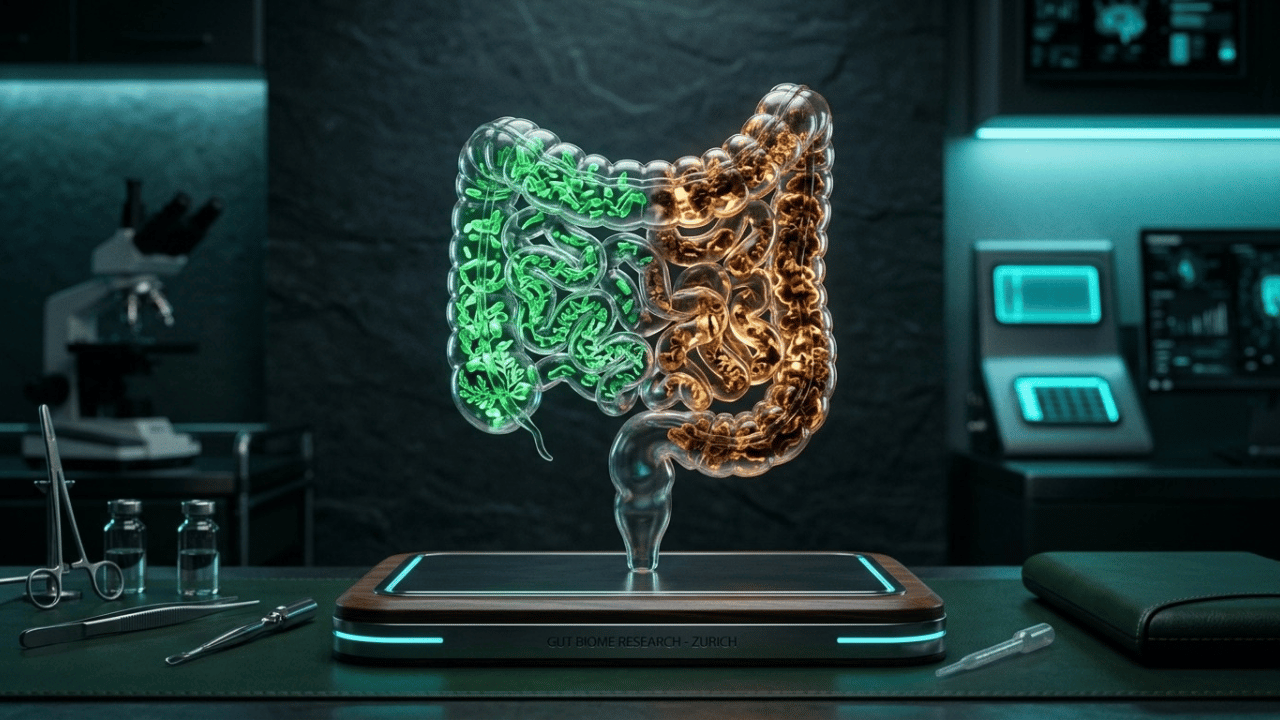
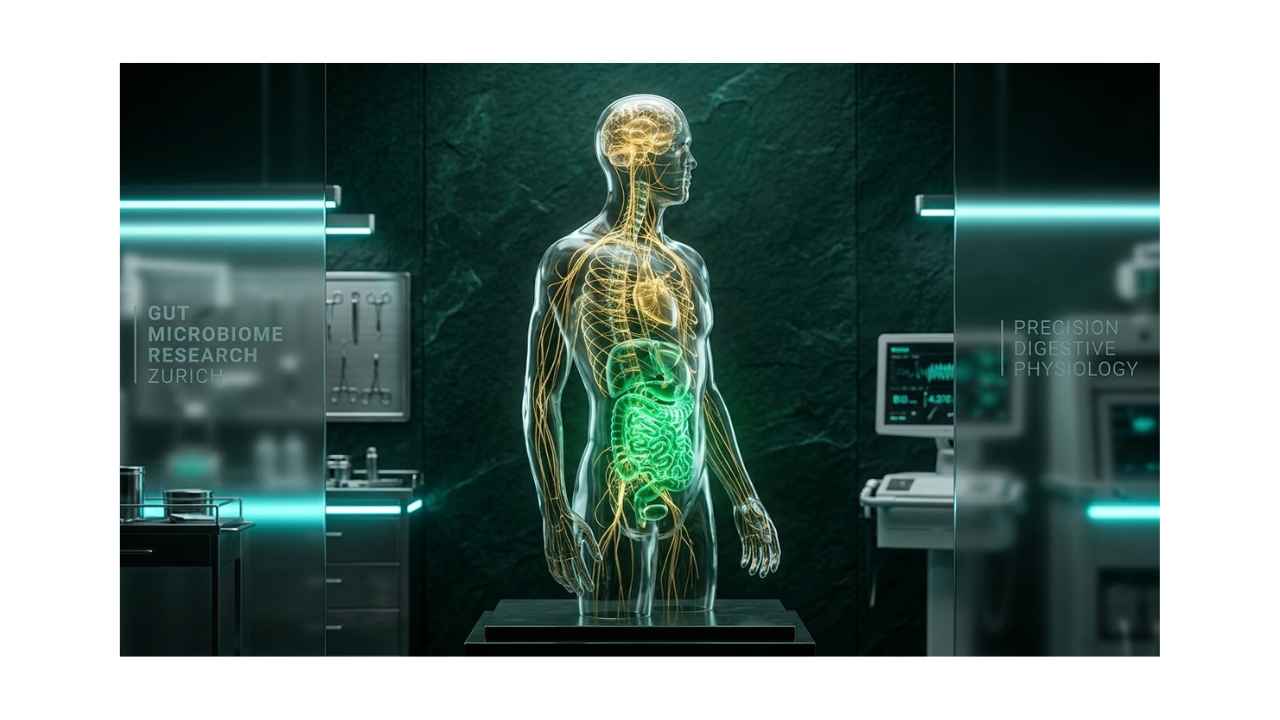
Dark luxury clinical setup displaying a stylized 3D model of a human gut microbiome, with glowing green beneficial bacteria and red imbalanced bacterial clusters.
1. Understanding Gut Dysbiosis and the Intestinal Barrier
The human gastrointestinal tract harbors trillions of microorganisms that constitute the gut microbiota. In a state of eubiosis (balance), this ecosystem acts as a metabolic organ: synthesizing essential vitamins, metabolizing dietary fiber into short-chain fatty acids (SCFAs) like butyrate, and training the immune system.
When factors like chronic stress, ultra-processed diets, or frequent antibiotic exposure disrupt this balance, pathogenic or opportunistic bacteria overgrow—a condition known as gut dysbiosis.
This process begins when a dysbiosis trigger damages the intestinal lining, breaking down the tight junctions between epithelial cells. This breakdown in integrity (often termed "leaky gut") allows bacterial endotoxins like lipopolysaccharides (LPS) to cross the mucosal barrier and enter systemic circulation. Once in the bloodstream, these endotoxins trigger a continuous low-grade immune response that consumes metabolic energy, directly driving chronic fatigue and systemic inflammation.
2. Clinical Indicators: How Dysbiosis Signals for Help
Dysbiosis rarely presents in isolation. Instead, it creates a cascade of interconnected daily symptoms:
- Postprandial Abdominal Distension: Excessive gas production resulting from the abnormal fermentation of carbohydrates in the small or large intestine.
- Unexplainable Chronic Fatigue: Low-grade systemic inflammation induced by bacterial endotoxins consumes significant metabolic energy, leaving less for physical and mental performance.
- Gut-Brain Axis Disruption: Over 90% of the body's serotonin is synthesized in the gut. Microbiome imbalances alter neurotransmitter signaling, often leading to irritability, mood fluctuations, and brain fog.
- Nutrient Malabsorption: Inflamed intestinal mucosal surfaces lose their surface area (microvilli degradation), compromising the absorption of critical micronutrients like iron, B-complex vitamins, and magnesium.
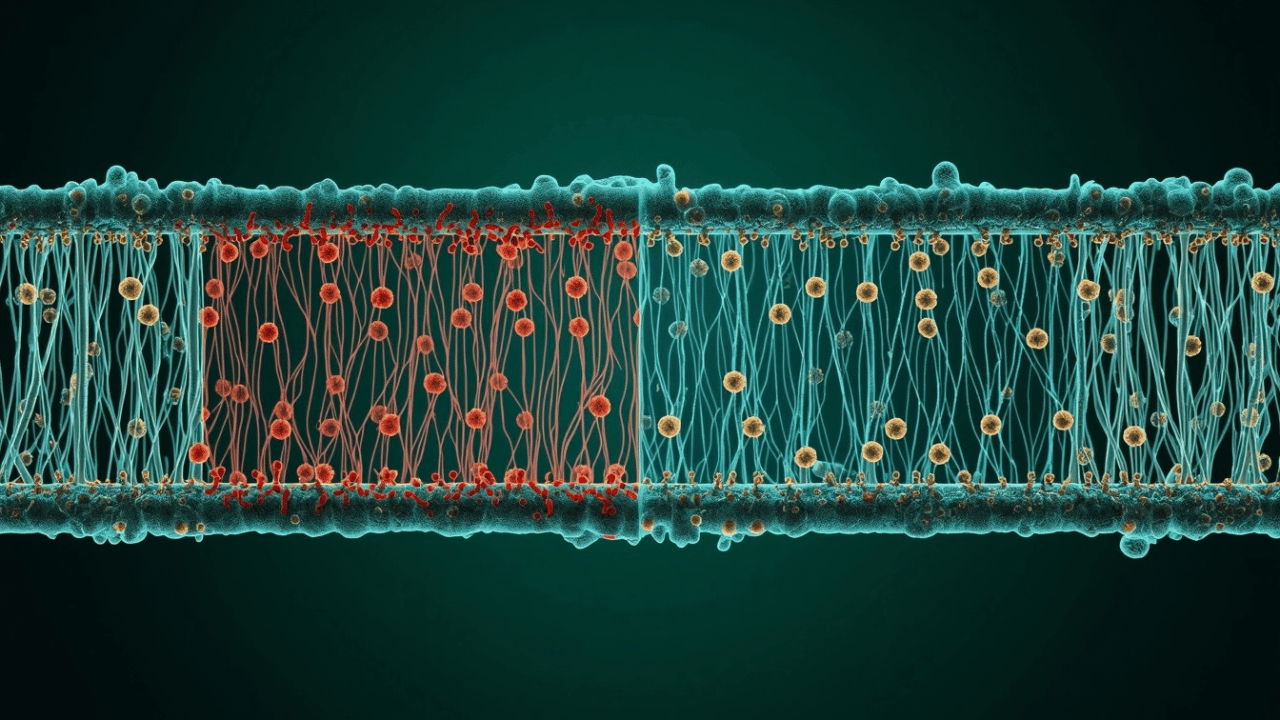
3D cross-section render of intestinal epithelial cells showing tight junctions restored by probiotics and short-chain fatty acids on a dark emerald background.
3. The Probiotic Paradox: Strain Specificity vs. Generic Formulas
Not all probiotics are created equal. A common clinical mistake is assuming that higher Colony Forming Units (CFUs) automatically equal superior results.
The efficacy of a probiotic protocol depends almost entirely on strain specificity and viability. Different probiotic strains perform highly targeted tasks inside the GI tract:
- Lactobacillus acidophilus: Focuses on upper GI comfort and gas reduction by producing lactic acid to lower intestinal pH.
- Bifidobacterium lactis: Enhances colonic transit and motility through SCFA production, improving smooth muscle tone.
- Lactobacillus rhamnosus: Supports mucosal barrier integrity by upregulating tight junction proteins (occludin and ZO-1).
- Saccharomyces boulardii: Acts as a non-colonizing beneficial yeast to clear opportunistic pathogens and neutralize bacterial toxins.
Without targeted strains and adequate enteric protection to survive stomach acid, generic probiotic supplements often fail to reach the colon in active, viable states.
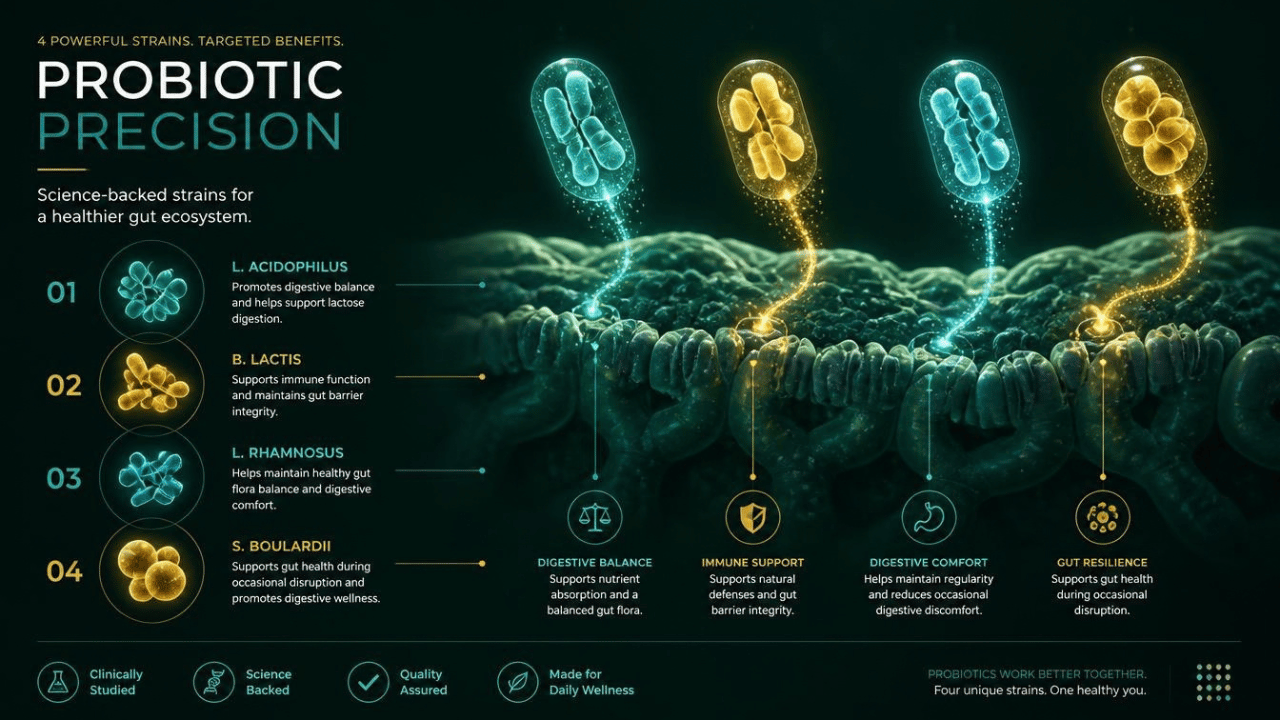 Minimalist 3D medical infographic showing four key probiotic strains targeting different sections of the digestive tract with cyan and golden indicators.
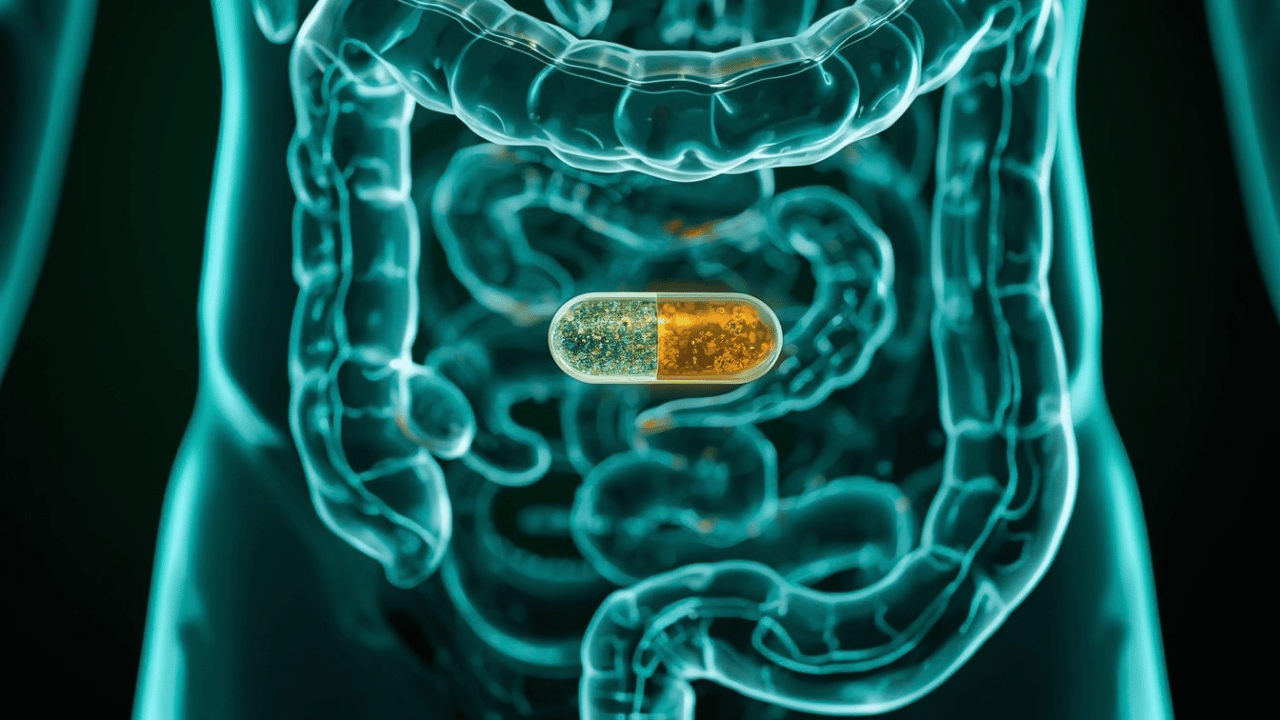 Detailed macro view of a glass GI tract model illustrating the passage and targeted release of enteric-coated probiotic capsules.
4. Re-establishing Gut Flow and Long-Term Vitality
Eradicating bloating and fatigue permanently requires a comprehensive approach beyond simply swallowing capsules. A clinical protocol for dysbiosis focuses on three sequential steps:
- Remove & Calm: Reduce inflammatory triggers, refined sugars, and unnecessary gut irritants while calming mucosal inflammation.
- Repopulate & Fuel: Introduce clinically validated probiotic strains alongside prebiotic fibers (such as inulin or resistant starch) that selectively feed beneficial flora.
- Optimize Motility: Support the natural Migrating Motor Complex (MMC) by maintaining adequate meal-spacing intervals (3.5–4 hours) to prevent bacterial overgrowth in the small intestine.

Minimalist clinical flat-lay setup featuring a glass of water, a clean white Gut Care Today supplement bottle, and fresh botanical ingredients.
5. Safety, Quality Standards, and Purchasing Protocol
When selecting a probiotic or digestive health formula to address dysbiosis, adhere to strict clinical quality benchmarks:
- Manufacturing Standards: Ensure the product is manufactured in an FDA-registered, GMP-certified facility.
- Stability & Viability: Look for room-temperature stable formulas with verified enteric delivery technology to guarantee survival through stomach acid.
- Risk Guarantee: Reputable clinical brands offer extended money-back guarantees (such as 180 days), allowing users sufficient time to observe genuine microbiome shifts.
6. Frequently Asked Questions (Clinical FAQ)
- What is gut dysbiosis, and what causes it? Gut dysbiosis is an imbalance between beneficial and harmful microorganisms in the gastrointestinal tract. It is commonly triggered by chronic stress, diets high in ultra-processed foods and refined sugars, frequent antibiotic use, alcohol consumption, and persistent poor sleep.
- How does gut dysbiosis cause chronic fatigue? Dysbiosis weakens the intestinal lining, allowing bacterial endotoxins (LPS) to leak into the bloodstream. This triggers low-grade systemic inflammation, forcing the immune system to consume excess metabolic energy and leaving you feeling chronically exhausted.
- Can gut dysbiosis cause daily abdominal bloating? Yes. When imbalanced microflora ferment undigested carbohydrates in the wrong sections of the digestive tract, they produce excessive gases (such as hydrogen and methane), leading to painful bloating and abdominal distension.
- How long does it take to repair gut dysbiosis? Initial improvements in bloating and digestion can occur within 1 to 2 weeks of starting a targeted protocol. However, full microbiome restructuring and tissue repair of the intestinal mucosal lining typically require 60 to 90 days of consistent nutrition and supplementation.
- Are high-CFU probiotics always better? No. A higher CFU count does not guarantee efficacy. Strain specificity, enteric survival through stomach acid, and proper prebiotic nourishment are far more important than sheer CFU numbers.
- What is the difference between prebiotics and probiotics? Probiotics are live beneficial bacteria that populate the gut ecosystem. Prebiotics are non-digestible dietary fibers that serve as fuel for these beneficial bacteria to thrive and multiply.
- Can probiotics cause initial bloating or gas? Yes. During the first 3 to 7 days of starting a probiotic protocol, some individuals experience temporary gas or stool changes as the gut microbiome shifts and repopulates (a process known as competitive exclusion).
- Should probiotics be taken with food or on an empty stomach? This depends on the capsule technology. Enteric-coated or delayed-release capsules can generally be taken with or without food. However, taking probiotics with a light meal containing healthy fats often aids stomach acid neutralization and capsule transit.
- How do I know if my gut barrier is compromised ("leaky gut")? Common clinical signs include persistent post-meal bloating, multiple food sensitivities, unexplained skin irritations (such as eczema or adult acne), brain fog, joint discomfort, and chronic fatigue.
- Do I need to refrigerate my probiotics? Not necessarily. Modern shelf-stable probiotics utilize desiccant-lined bottles and freeze-dried strains that remain active at room temperature, making them convenient for daily travel and routine use.
- Can I take probiotics while taking antibiotics? Yes, but timing is critical. Take your probiotic supplement at least 2 to 3 hours apart from your antibiotic dose to prevent the antibiotic medication from killing the beneficial bacteria immediately.
- Will drinking water with lemon cure gut dysbiosis? No. While lemon water supports hydration and provides Vitamin C, it does not reseed beneficial bacterial strains or repair a damaged intestinal barrier on its own.
- What role does stress play in gut health? Chronic stress activates the sympathetic nervous system, reducing blood flow to the digestive organs, lowering stomach acid production, and weakening tight junctions in the intestinal wall, directly driving dysbiosis.
- How does the gut-brain axis affect my mood and energy? The gut and brain communicate continuously via the vagus nerve. An inflamed, dysbiotic gut sends distress signals to the brain, suppressing serotonin and dopamine production and contributing to fatigue, anxiety, and low motivation.
- How does the 180-day money-back guarantee work for DigestFlow? Customers can evaluate the product for up to 6 months. If you do not experience noticeable improvements in digestive comfort and daily energy, you can return the bottles (even if empty) for a full refund minus shipping fees.
The Verdict: Swiss Clinical Summary
Is gut dysbiosis a permanent condition? Absolutely not. While an imbalanced microbiome can severely impact your daily quality of life, energy levels, and digestive comfort, it is highly responsive to structured physiological care.
By combining targeted strain-specific probiotics, mucosal-supporting nutrients, and proper meal timing, you can eliminate daily bloating, seal the gut barrier, and reclaim your natural vitality.
Our Recommendation:
- Best used for: Daily digestive support, eliminating post-meal bloating, restoring gut barrier integrity, and boosting daily energy levels.
- Action Plan: Combine daily strain-specific probiotic supplementation with proper hydration, a 3.5-to-4-hour meal-spacing interval, and a diet rich in diverse plant fibers.
Educational content only. Speak with a qualified healthcare professional before starting any new supplement regimen, especially if you have pre-existing medical conditions or take prescription medications.
keep reading
Gut Health & Supplements
DigestiStart Review: Can This Herbal Formula Help Restore Digestive Health & Relieve Bloating?
Gut Health & Supplements
The Ultimate Guide to GERD: Causes, Symptoms & Natural Relief
Gut Health & Supplements