
Eucommia Ulmoides Benefits: How Eucommia Bark Enhances Visceral Microcirculation, Strengthens Gut Tone & Restores Vitality
Discover what Eucommia Ulmoides (Cortex Eucommiae / Du Zhong) is used for, its top benefits for mesenteric microcirculation, gut muscular tone, smooth peristalsis, and how it works synergistically in digestive wellness.

disclosure This article contains affiliate links. Purchases may earn us a commission at no extra cost to you. We only recommend products we've reviewed.
Eucommia Ulmoides Benefits: How Eucommia Bark Enhances Visceral Microcirculation, Strengthens Gut Tone & Restores Vitality
When evaluating chronic gastrointestinal sluggishness, bloating, and irregular bowel habits, most conventional approaches focus solely on fiber intake or surface-level stool softeners. However, underlying many persistent digestive difficulties is a deeper, structural deficiency: compromised visceral microcirculation and weakened smooth muscle tone along the digestive tract. Without adequate microvascular blood flow delivering oxygen and cellular energy (ATP) to the mesenteric vascular bed, intestinal walls lose their contractile strength, leading to pelvic heaviness, vascular stagnation, and weak peristaltic propulsion.
In classical botanical medicine and modern pharmacognosy, one ancient tree bark stands as the gold standard for vascular and structural tonification: Eucommia Ulmoides (Cortex Eucommiae), celebrated for millennia in Eastern herbalism as Du Zhong (or the Hardy Rubber Tree). Revered as an elite "Yang-tonifying" and tissue-fortifying botanical, Eucommia bark delivers specialized lignans, iridoids, and chlorogenic acids directly to the vascular endothelium—dilating mesenteric micro-vessels, nourishing the smooth muscle matrix of the colon, and restoring optimal physical stamina.
In this comprehensive, evidence-informed guide, we examine the therapeutic science of Eucommia bark benefits, explore how Eucommia Ulmoides reinforces digestive muscular architecture, and explain why it serves as an indispensable structural pillar within modern synergistic digestive formulations.
What Is Eucommia Ulmoides (Cortex Eucommiae / Du Zhong)?
Eucommia ulmoides is a unique dioecious tree native to the central valleys of China and the sole living species within the botanical family Eucommiaceae. Known for its resilient rubber-like filaments that appear like fine white silk when the bark is snapped in half, this plant has been documented in classical texts as a superior tonic herb that reinforces the structural framework of the human body.
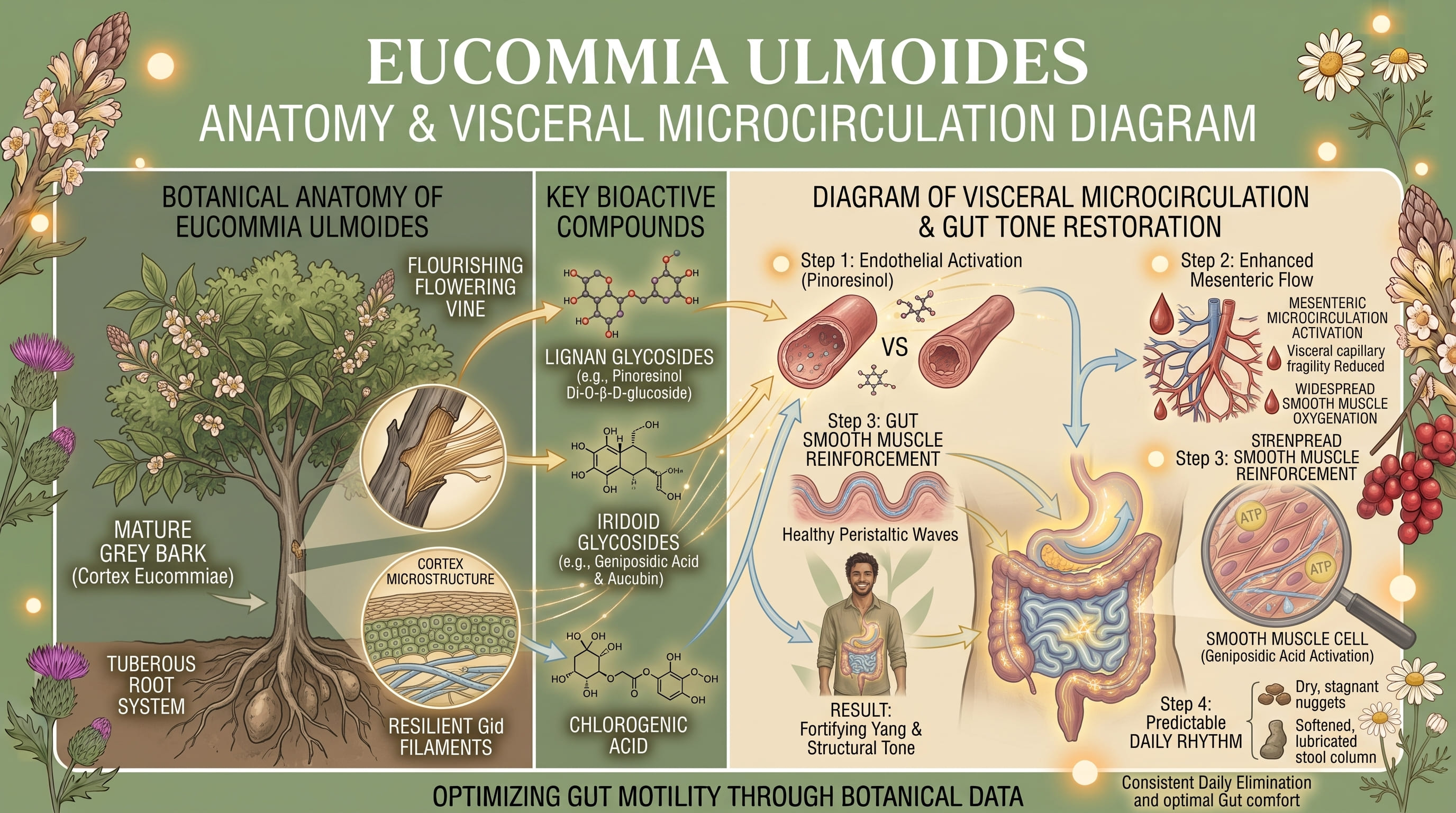
In therapeutic herbalism, the outer grey bark is carefully harvested, prepared, and extracted (Cortex Eucommiae) to yield high concentrations of bioactive constituents. While traditionally used to strengthen the lower back, joints, and kidney vitality, modern biomedical research has uncovered that these same structural-tonifying pathways exert profound, restorative actions on the vascular and smooth muscle systems of the gastrointestinal canal.
The Active Phytochemistry: Why Eucommia Bark Works
The physiological efficacy of Eucommia bark extract is driven by several distinct chemical classes:
- Lignan Glycosides (Pinoresinol Di-O-β-D-glucoside & Syringaresinol): These specialized lignans act on vascular endothelial cells, promoting the release of nitric oxide (NO) and modulating arterial tone to support healthy visceral microcirculation without spiking blood pressure.
- Iridoid Glycosides (Geniposidic Acid & Aucubin): Potent bioactive iridoids that stimulate collagen synthesis, defend gut smooth muscle cells against oxidative degradation, and regulate inflammatory pathways in the enteric nervous system (ENS).
- Chlorogenic Acid & Polyphenols: Powerful natural antioxidants that protect mesenteric micro-vessels from capillary fragility and nourish beneficial commensal gut microbiota.
Top Health Benefits of Eucommia Ulmoides for Digestion & Systemic Vitality
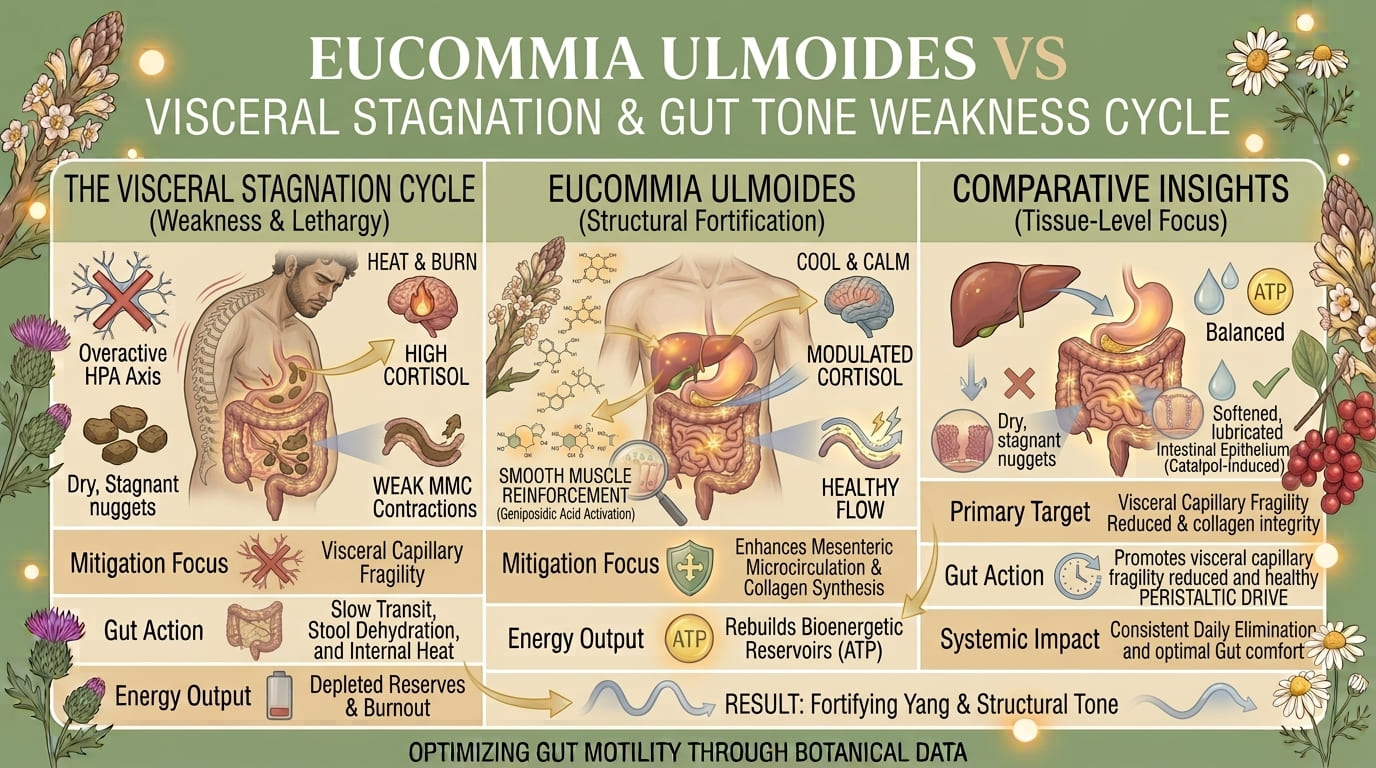
To restore effortless digestive rhythm and overcome structural sluggishness, Eucommia Ulmoides targets three fundamental physiological mechanisms:
1. Enhances Visceral & Mesenteric Microcirculation
Every layer of the digestive tract—from mucosal goblet cells to the outer longitudinal muscle fibers—relies on an intricate network of tiny capillaries called the mesenteric microvascular bed. When stress or physical fatigue constricts these vessels, intestinal tissues become hypoxic and lethargic. The lignans in Eucommia ulmoides promote endothelial vasodilation, increasing microvascular blood flow, delivering essential nutrients, and carrying away metabolic waste from the digestive core.
2. Rebuilds Gut Smooth Muscle Tone & Peristaltic Drive
Unlike harsh stimulant laxatives that irritate the colon lining into temporary contractions, Eucommia bark strengthens the underlying muscular architecture. By promoting cellular collagen integrity and optimizing microvascular oxygenation, Cortex Eucommiae enhances the baseline contractile strength (tone) of the smooth muscle tissue, allowing the Migrating Motor Complex (MMC) to execute strong, natural peristaltic waves.
3. Sustains Bioenergetic Reserves & Adrenal Stamina
Digestive weakness is frequently accompanied by lower back soreness, knee fatigue, and mid-afternoon energy crashes. In botanical pharmacopeias, Eucommia is prized for nourishing foundational vitality (Kidney Yang). Modern studies confirm that its bioactive compounds modulate endocrine balance, supporting sustained physical stamina and bioenergetic output (cellular ATP) without nervous system overstimulation.
Comparing Eucommia Ulmoides to Key Synergy Botanicals
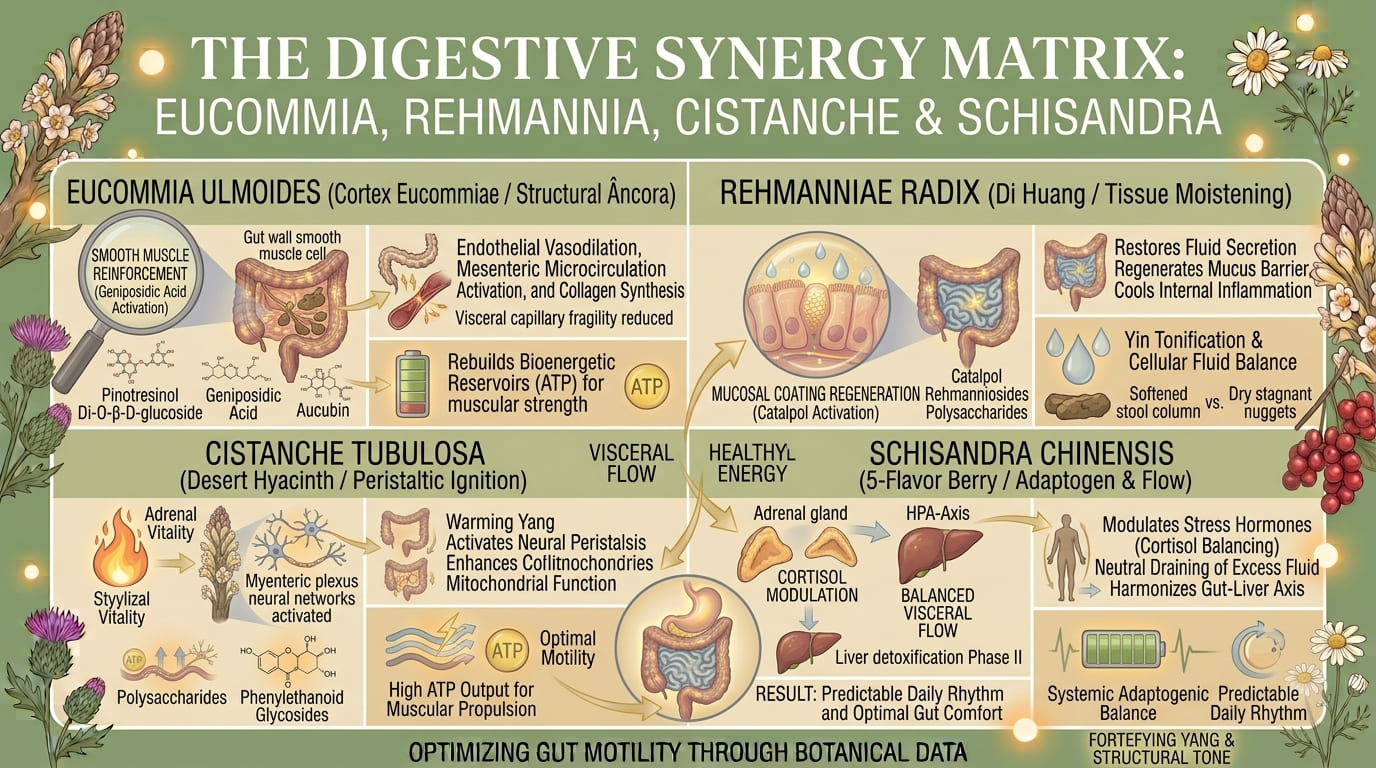
In high-performance herbal formulations, Eucommia Ulmoides provides the structural and vascular support that empowers other functional herbs to perform at their peak:
👉 Check out this [Advanced Gut Rebuild Formula] for daily lining support and balanced inflammation levels.
Step-by-Step 24-Hour Protocol for Restoring Vascular Flow & Digestive Tone
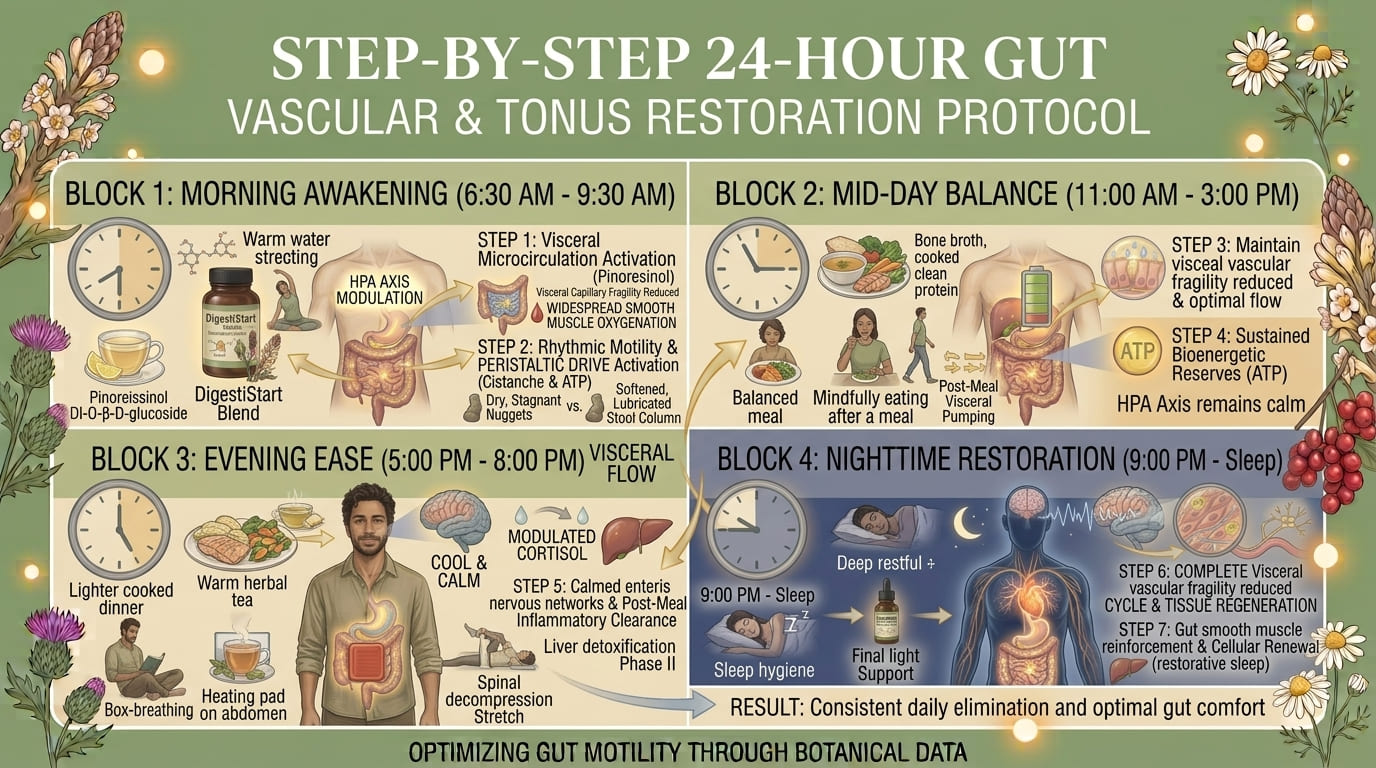
To optimize mesenteric microcirculation, rebuild gut muscular resilience, and restore predictable daily bowel habits, integrate Eucommia Ulmoides into this daily bio-rhythm:
- Morning Awakening (6:30 AM – 9:30 AM): Begin with 16 oz of warm water to stimulate gastrocolic signaling. Take your balanced botanical formula containing standardized Eucommia Ulmoides and Cistanche 20 minutes before breakfast. This dilates mesenteric vessels and delivers oxygen-rich blood to awaken colonic smooth muscles.
- Mid-Day Movement & Sustained Flow (12:00 PM – 2:30 PM): Enjoy a nutrient-dense, warm lunch. Take a light 10-minute post-meal walk to activate visceral blood pumping. The lignans and iridoids in Eucommia maintain microvascular dilation, preventing mid-day abdominal pooling and digestive lethargy.
- Evening Deep Tissue Rest (6:30 PM – Sleep): Consume a light evening meal. Prioritize spinal decompression or light stretching to relieve lower pelvic tension. During sleep, Eucommia’s geniposidic acid works in synergy with restorative sleep hormones to repair smooth muscle collagen and renew gut tissue integrity.
Why Botanical Synergy Outperforms Standalone Eucommia Bark
While isolated Eucommia bark extract offers remarkable cardiovascular and tissue benefits, digestive dysfunction requires a multi-dimensional strategy:
- The Vascular-Hydration Link: Dilating visceral blood vessels with Eucommia increases nutrient delivery, but without a moistening agent like Rehmanniae Radix, dehydrated stool can still cause friction.
- The Motility Connection: While Eucommia provides smooth muscle structural strength, Cistanche provides the biochemical spark (ATP & acetylcholine sensitivity) to initiate rhythmic propulsion.
- Standardized Herbal Integrity: Using a clinically calibrated multi-herb formulation ensures that exact ratios of pinoresinol glucosides, catalpol, and echinacoside work harmoniously without digestive burden.
👉 Check out this [Advanced Gut Rebuild Formula] for daily lining support and balanced inflammation levels.
Frequently Asked Questions (FAQ)
1. What is Eucommia Ulmoides and what is it used for?
Eucommia Ulmoides (also known as Cortex Eucommiae or Du Zhong) is a revered traditional botanical tree bark used to fortify smooth muscle tone, enhance visceral microcirculation, strengthen the lower back and joints, and support sustained bioenergetic vitality.
2. How does Eucommia bark support gut health and digestion?
Eucommia bark contains lignans and iridoid glycosides that promote endothelial vasodilation in mesenteric blood vessels. By increasing oxygen and nutrient delivery to the digestive tract, it strengthens the smooth muscle fibers responsible for peristaltic movement.
3. What is the traditional Chinese medicine (TCM) name for Eucommia Ulmoides?
In Traditional Chinese Medicine, Eucommia Ulmoides bark is known as Du Zhong (杜仲). It is classified as one of the premier herbs for tonifying Kidney Yang and strengthening the sinews and bones.
4. What are the primary active compounds in Eucommia bark?
The main active phytochemicals include lignans (such as pinoresinol di-O-β-D-glucoside), iridoids (notably geniposidic acid and aucubin), chlorogenic acid, and natural flavonoids.
5. Can Eucommia Ulmoides help with sluggish bowel motility?
Yes. By improving microvascular circulation to the gut and reinforcing the tone of the intestinal smooth muscle layer, Eucommia helps overcome the physical muscular weakness that often causes sluggish, incomplete bowel movements.
6. Does Eucommia bark benefit cardiovascular and circulatory health?
Yes. Clinical studies demonstrate that the lignan glycosides in Eucommia support healthy endothelial function and nitric oxide production, helping to maintain balanced blood pressure and healthy systemic circulation.
7. What is the difference between Eucommia bark and Eucommia leaf?
While both parts of the tree contain beneficial compounds, the bark (Cortex Eucommiae) has a significantly higher concentration of structural lignans and iridoids used for tissue tonification and vascular support. The leaves are more commonly brewed as a light antioxidant tea.
8. Is Eucommia Ulmoides safe for daily, long-term use?
Yes. Eucommia is historically categorized as a "superior-grade" tonic herb, meaning it has an exceptional safety profile and can be consumed consistently over extended periods without causing dependency or gastrointestinal irritation.
9. How does Eucommia work in synergy with Rehmanniae Radix and Cistanche?
Eucommia builds microvascular circulation and muscular tone; Rehmannia provides essential mucosal hydration and softens dry stools; Cistanche ignites active peristaltic rhythm. Together, they create a complete, balanced digestive restoration system.
10. Can Eucommia help relieve lower back soreness associated with digestive strain?
Yes. In classical herbal pharmacology, Du Zhong is the primary herb chosen to relieve weakness and aching in the lumbar region and knees, which frequently accompanies chronic pelvic congestion and digestive stagnation.
11. Does Eucommia Ulmoides contain caffeine or stimulant compounds?
No. Eucommia Ulmoides is completely caffeine-free and non-stimulant. Its energy-supporting properties stem from cellular bioenergetics and improved tissue circulation, not adrenal excitation.
12. What does "Hardy Rubber Tree" mean?
Eucommia ulmoides is called the Hardy Rubber Tree because its bark contains natural gutta-percha filaments. When the dried bark is gently broken, visible elastic, silky strands connect the pieces, symbolizing its structural elasticity and resilience.
13. Are there any known side effects or interactions with Eucommia?
Eucommia is well tolerated by most individuals. Because it supports healthy vascular relaxation, individuals taking prescription antihypertensive medications should consult their physician before starting supplementation.
14. When is the best time of day to take Eucommia bark supplements?
The optimal time is in the morning or early afternoon with a meal and water, allowing its circulatory and tonifying benefits to support physical activity and digestive processes throughout the day.
15. Why is standardized Eucommia extract preferred over raw powdered bark?
Standardized extracts ensure consistent, concentrated levels of active pinoresinol glucosides and geniposidic acid, maximizing bioavailability and clinical effectiveness compared to unstandardized, fibrous raw bark powders.
Rebuild Structural Strength, Circulation, and Effortless Regularity
Persistent digestive sluggishness is not a condition you must accept as a normal part of aging. By restoring mesenteric microvascular blood flow and rebuilding the smooth muscle integrity of your digestive tract with Eucommia Ulmoides, you can restore predictable, comfortable elimination and reclaim daily physical vigor.
To experience the full restorative power of standardized Eucommia Ulmoides paired in exact synergy with Rehmanniae Radix, Cistanche, and Schisandra, choose a comprehensive, research-backed botanical formulation. Reclaim your digestive strength and vitality today with the [Advanced Botanical Digestive & Motility Formula].
💡 Related Reading:
Want to see how Eucommia Ulmoides functions within our complete 8-ingredient synergy? Explore our Comprehensive Digestive Support Review & Breakdown for detailed clinical insights and official purchasing guidance.
keep reading
Gut Health & Supplements
DigestiStart Review: Can This Herbal Formula Help Restore Digestive Health & Relieve Bloating?
Gut Health & Supplements
The Ultimate Guide to GERD: Causes, Symptoms & Natural Relief
Gut Health & Supplements