
The Gut-Brain Connection: How Microbiome Imbalance Triggers Anxiety and Brain Fog
Struggling with constant brain fog, low motivation, or daily anxiety? Learn how gut microbiome dysbiosis disrupts neurotransmitter signaling via the gut-brain axis. Read our clinical review.
disclosure This article contains affiliate links. Purchases may earn us a commission at no extra cost to you. We only recommend products we've reviewed.
The Gut-Brain Connection: How Microbiome Imbalance Triggers Anxiety and Brain Fog
When modern professionals over 40 experience chronic brain fog, difficulty concentrating, or unexplainable daily anxiety, their first instinct is often to examine stress, sleep, or hormones. However, breakthrough neurobiological research confirms that the primary disruptor of cognitive vitality may reside not in the head, but in the gut.
The bidirectional communication highway linking your central nervous system and your gastrointestinal tract—the gut-brain axis—is regulated by trillions of bacteria. When this delicate ecosystem enters a state of dysbiosis (imbalance), it ceases to function as a health regulator and instead becomes a source of systemic neuroinflammation and cognitive decline.
In this clinical review, we analyze how gut imbalances directly impair neurotransmitter production, cause neuroinflammation, and how targeted microbiome restructuring can restore mental clarity and emotional resilience.
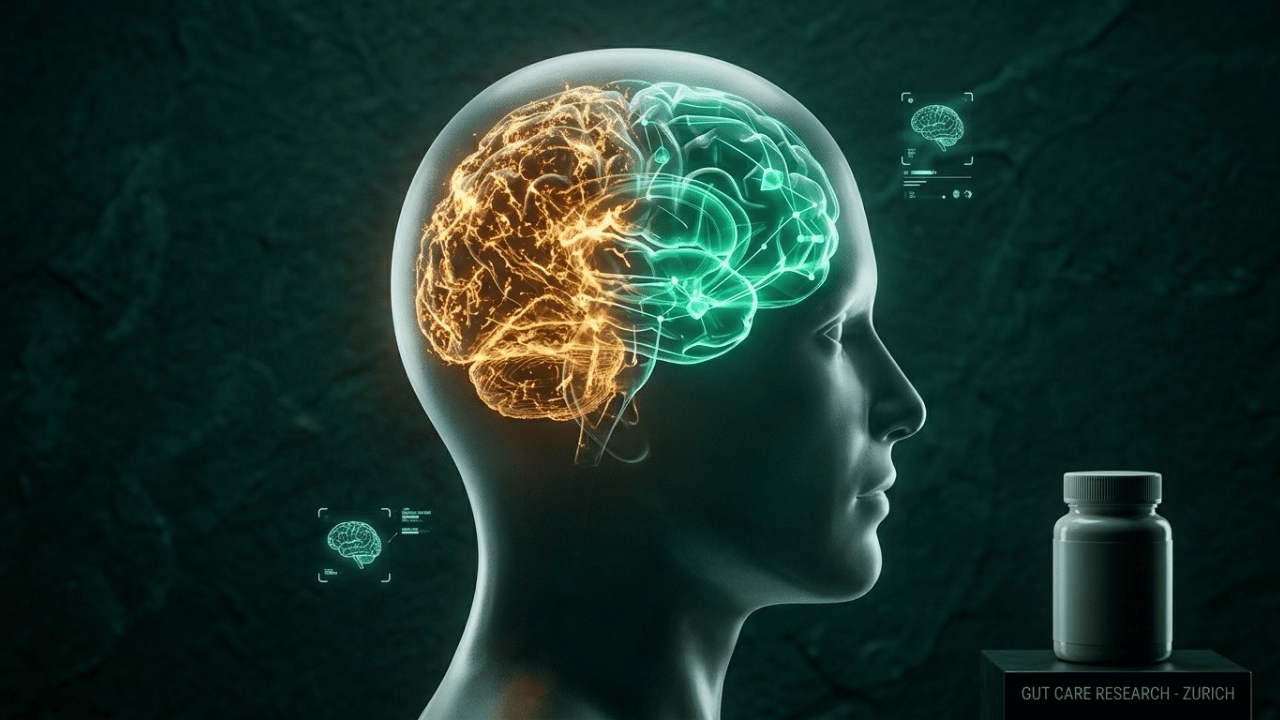
Visualizing the gut-brain axis transition—from neuroinflammatory disruption and anxiety (amber) to restored cognitive focus and clarity (emerald).
1. The Vagus Nerve: The Microbiome’s Direct Line to Your Brain
The gut-brain axis is not a conceptual metaphor; it is a complex physical and biochemical highway. While hormones and immune signaling play key roles, the most direct pathway is the vagus nerve.
This massive cranial nerve acts as a real-time data cable, transmitting information about gut microbiome status directly to the brain’s mood-regulating centers. When gut bacteria are in eubiosis (balance), they signal stability. When in dysbiosis, pathogenic bacteria release inflammatory metabolites that send "distress signals" along the vagus nerve, initiating immune activation in the brain and manifesting as cognitive fog.
2. The Gut as the Body's "Second Brain": Neurotransmitter Synthesis
The microbiome is sometimes referred to as the second brain because it is a foundational hub for neurotransmitter production, which regulates how we feel and think:
- Serotonina: The "happiness and stability" molecule. Over 90% of the body's serotonin is synthesized in the gut lining, a process dependent on specific gut bacteria. Low serotonin is directly linked to anxiety, depression, and low motivation.
- GABA (Gamma-Aminobutyric Acid): The main "calm down" and anti-anxiety neurotransmitter. Specific probiotic strains are proficient at producing GABA. Dysbiosis often correlates with insufficient GABA production, leading to feelings of overstimulation and anxiety.
When the microbiome is imbalanced, the entire neurochemical factory shuts down, leaving the brain under-fueled and vulnerable to emotional instability.

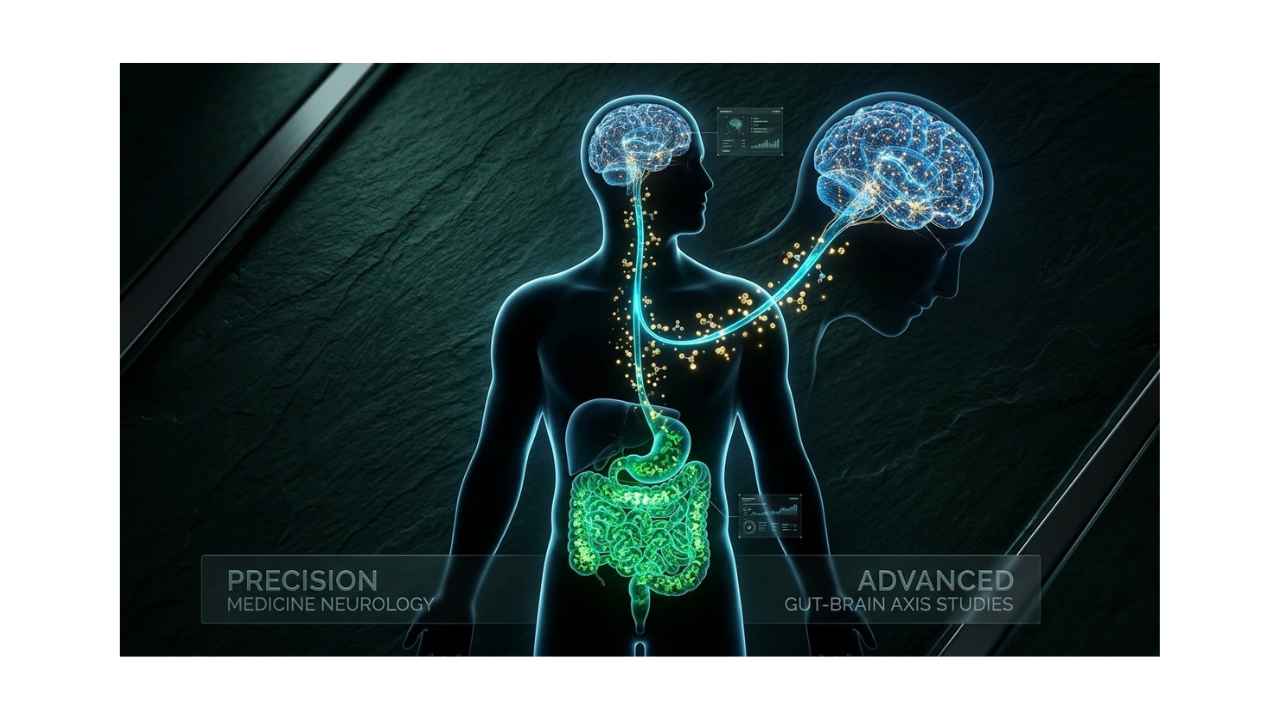
Biological pathway of the vagus nerve facilitating bidirectional transport of key neurotransmitters (Serotonin and GABA) between the intestinal microbiome and the central nervous system.
3. Neuroinflammation: The Missing Link Between Leaky Gut and Leaky Brain
We cannot discuss brain fog and anxiety without addressing leaky gut (increased intestinal permeability).
As analyzed in Article #1, dysbiosis trigger damages the gut lining. This breach allows lipopolysaccharides (LPS)—inflammatory endotoxins from pathogenic bacteria—into the bloodstream.
Breakthrough research has linked leaky gut with a corresponding dysfunction of the blood-brain barrier ("leaky brain"). When LPS reaches the blood-brain barrier, it activates specialized immune cells called microglia, causing chronic, low-grade neuroinflammation. This constant inflammatory cascade is a direct driver of mitochondrial dysfunction in neurons, which clinically manifests as chronic brain fog, difficulty with focus, and unexplainable mental fatigue.
4. The Actionable Gut-Brain Protocol: Restoring Cognitive Focus
Re-establishing a high-performance gut-brain connection requires a precise clinical protocol. Simply lowering stress is rarely sufficient if the microbiome is damaged.
Step 1: Mitigate Gut-Generated Inflammation
Eliminate metabolic drivers of neuroinflammation, such as highly refined seed oils and excessive sugars, while identifying potential dietary triggers that compromise intestinal integrity.
Step 2: Reseed Mood-Boosting Probiotics
Introduce validated probiotic strains known as psychobiotics (e.g., specific strains of Lactobacillus helveticus and Bifidobacterium longum) that increase serotonin production and reduce neuroinflammatory markers.
Step 3: Fuel Your Second Brain
Ensure adequate intake of viscous fibers and key micronutrients (such as magnesium and B-complex vitamins), which act as prebiotics for beneficial flora and support mitochondrial energy production in both the gut and brain.
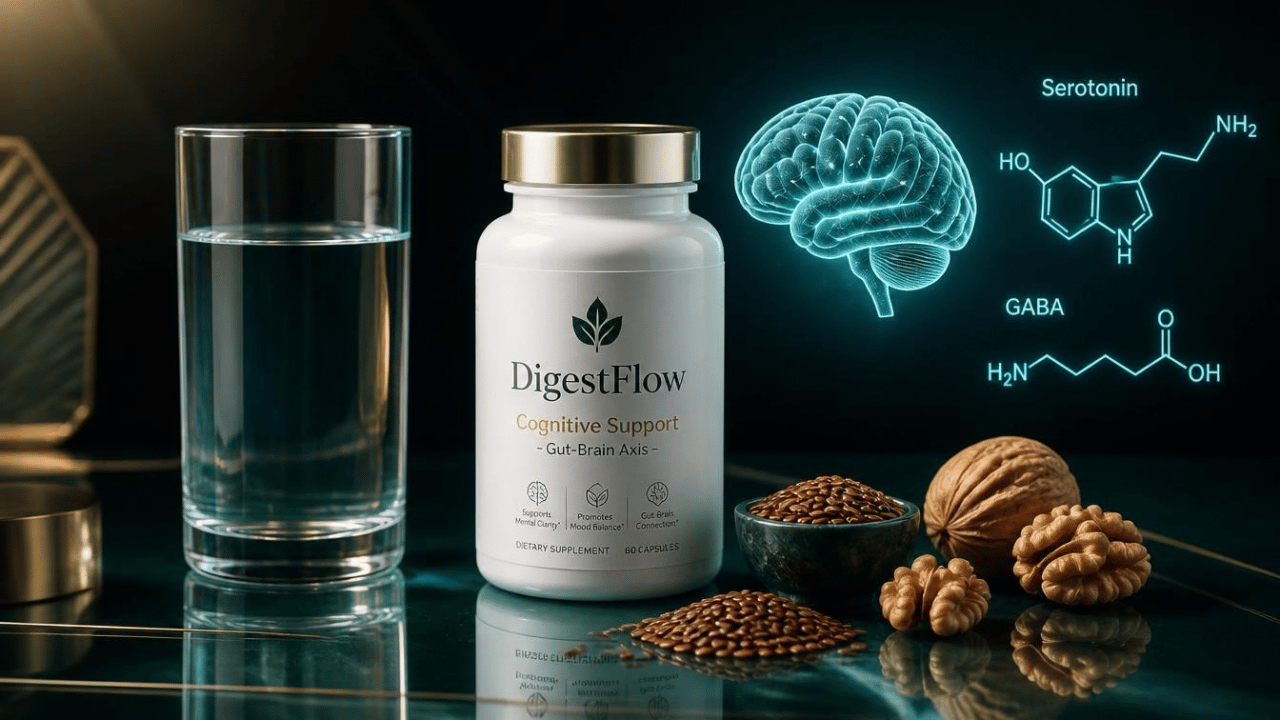
Daily clinical protocol pairing strain-specific probiotic support with targeted prebiotics to soothe neuroinflammation and optimize cognitive performance.
6. Frequently Asked Questions (Clinical FAQ)
How does the gut-brain axis actually work?
The gut-brain axis is a bidirectional communication network connecting your central nervous system (brain) to your enteric nervous system (gut) via the vagus nerve, chemical neurotransmitters, and immune pathways.
Can gut dysbiosis really cause brain fog and mental fatigue?
Yes. When gut dysbiosis breaches the intestinal barrier (leaky gut), bacterial endotoxins like LPS enter the bloodstream and cross the blood-brain barrier, triggering microglial activation and neuroinflammation that disrupt cognitive function.
Where is most of the body's serotonin produced?
Over 90% of the body's serotonin is synthesized in the gastrointestinal tract by specialized enterochromaffin cells, heavily influenced by the presence of beneficial gut microbes.
What are psychobiotics?
Psychobiotics are specific probiotic strains and prebiotic fibers that, when ingested in adequate amounts, yield mental health and cognitive benefits by optimizing gut-brain signaling and neurotransmitter production.
How long does it take to see cognitive improvements after starting a gut protocol?
While mild digestive relief may occur within 7 to 14 days, noticeable improvements in mental focus, reduced brain fog, and emotional stability typically require 30 to 60 days of consistent strain-specific probiotic supplementation.
Why do generic, high-CFU probiotics fail to clear brain fog?
High CFU count alone does not ensure mental clarity. Without targeted probiotic strains that upregulate neurotransmitters (like GABA and serotonin) and enteric survival technology to pass stomach acid, generic formulas offer little cognitive impact.
How does chronic stress affect the gut-brain connection?
Chronic stress activates the sympathetic nervous system, increasing cortisol levels, slowing motility, reducing beneficial bacteria, and increasing intestinal permeability, which directly drives both gut dysbiosis and brain fog.
What is GABA and how do gut bacteria influence it?
GABA (Gamma-Aminobutyric Acid) is the primary inhibitory neurotransmitter responsible for calming the brain and reducing anxiety. Specific probiotic strains like Lactobacillus and Bifidobacterium directly synthesize and facilitate GABA production.
Can leaky gut cause "leaky brain"?
Yes. Increased intestinal permeability allows systemic inflammatory cytokines and endotoxins to weaken the protective blood-brain barrier, leading to localized brain inflammation, memory fatigue, and difficulty concentrating.
Will cutting out sugar instantly fix my gut-brain axis?
Reducing refined sugar stops feeding opportunistic yeast and pathogenic bacteria, which is essential, but repairing the neural signaling pathways also requires reseeding beneficial strains and fueling them with prebiotic fiber.
Why does anxiety often cause stomach cramps or sudden digestion shifts?Because the vagus nerve carries signals both ways. Psychological stress sends immediate neurological signals to the gut, slowing motility or triggering muscle spasms in the digestive tract.
Are magnesium and B-vitamins necessary for the gut-brain connection?
Yes. Magnesium calms the nervous system and supports intestinal smooth muscle, while B-complex vitamins act as necessary cofactors for synthesizing gut-derived neurotransmitters like serotonin and dopamine.
Can gut-driven brain fog affect sleep quality?
Absolutly. Since gut microbes modulate melatonin precursors (via serotonin conversion), an imbalanced gut ecosystem frequently leads to disrupted circadian rhythms, poor REM sleep, and morning fatigue.
How does meal spacing help cognitive clarity?
Spacing meals by 3.5 to 4 hours activates the Migrating Motor Complex (MMC), clearing undigested debris from the small intestine, preventing bacterial overgrowth, and stopping energy-draining postprandial inflammatory spikes.
How does the DigestFlow 180-day money-back guarantee support my gut-brain reset?
Rebuilding the gut-brain axis and neurochemical pathways takes time. The 180-day guarantee allows you to evaluate DigestFlow for up to 6 months risk-free, ensuring full confidence in your cognitive and digestive transformation.
The Verdict: Swiss Clinical Summary
Chronic brain fog, unexplainable anxiety, and mental fatigue in high-performers over 40 are rarely isolated cognitive problems. They are frequently systemic warnings of gut-brain axis dysfunction.
By clinically addressing microbiome dysbiosis, restoring neurotransmitter synthesis, and mitigating neuroinflammation, you can rebuild the cellular machinery required for peak mental performance and emotional resilience.
Our Recommendation for the Second Brain:
- Immediate Action: Prioritize strain-specific probiotic strains known to support cognitive health and neurotransmitter production.
- Action Plan: Combine nutritional anti-inflammatory strategies with targeted psychobiotic supplementation to optimize gut integrity and cognitive focus simultaneously.
keep reading
Gut Health & Supplements
DigestiStart Review: Can This Herbal Formula Help Restore Digestive Health & Relieve Bloating?
Gut Health & Supplements
The Ultimate Guide to GERD: Causes, Symptoms & Natural Relief
Gut Health & Supplements