
The Gut-Brain Axis: How Microbiome Dysbiosis Drives Brain Fog, Anxiety, and Mood Swings
Explore the gut-brain axis, vagus nerve signaling, and how intestinal dysbiosis drives anxiety, mood swings, and brain fog. Read our clinical review.
disclosure This article contains affiliate links. Purchases may earn us a commission at no extra cost to you. We only recommend products we've reviewed.
The Gut-Brain Axis: How Microbiome Dysbiosis Drives Brain Fog, Anxiety, and Mood Swings
For decades, psychiatry and gastroenterology treated the head and the abdominal cavity as entirely separate biological domains. Patients suffering from chronic brain fog, unexpected mood swings, low stress resilience, and persistent anxiety were routinely treated exclusively through central nervous system interventions.
However, neurobiology and gastroenterology have converged on a groundbreaking reality: your gut is your second brain.
The human gastrointestinal tract houses the Enteric Nervous System (ENS), a complex network of over 500 million neurons embedded directly in the mucosal walls. This secondary brain maintains a continuous, high-speed bidirectional communication pathway with the central nervous system along the Vagus Nerve.
When the gut microbiome becomes imbalanced—a state known as dysbiosis—the chemical signals transmitted upward to the brain shift from protective and calming to highly inflammatory.
In this clinical review, we examine the biochemical pathways of the gut-brain axis, how systemic inflammation crosses the blood-brain barrier, and a targeted 3-step protocol to calm vagal inflammation, restore neurotransmitter balance, and clear brain fog.
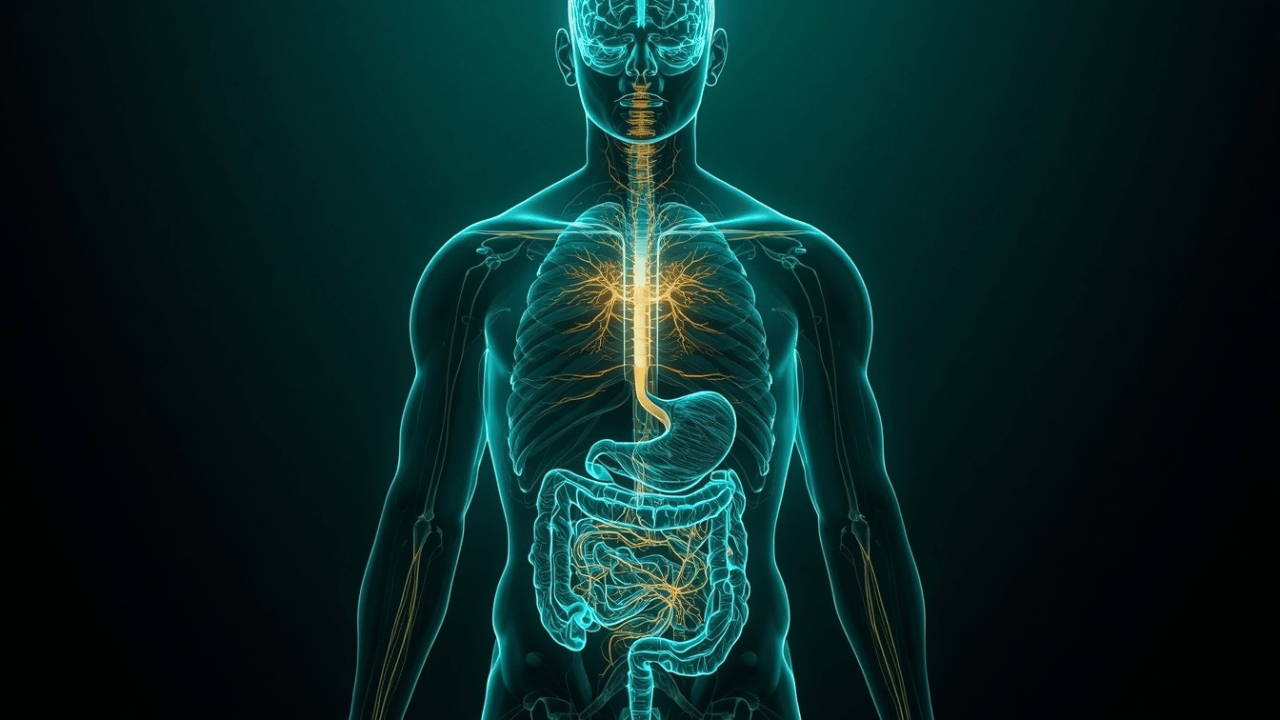
Neurological map of the Gut-Brain Axis—illustrating the bidirectional flow of neurotransmitters and vagal nerve impulses between the central nervous system and the enteric gut plexus.
1. The Vagus Nerve & The Enteric Nervous System: The Biological Information Highway
The primary physical bridge between the gut and the brain is the Vagus Nerve (Cranial Nerve X). Operating as a two-way electrical and chemical communication channel, it continuously monitors visceral organs and reports their state directly to the brainstem.
Crucially, 80% of vagal nerve fibers are afferent, meaning they send signals from the gut upward to the brain, rather than the other way around.
When your intestinal microflora is balanced, beneficial bacteria synthesize neuroactive metabolites like GABA (gamma-aminobutyric acid), short-chain fatty acids, and serotonin precursors. These molecules stimulate vagal nerve endings, signaling safety and tranquility to the brain.
When dysbiosis takes hold, lipopolysaccharides (LPS endotoxins) and pro-inflammatory cytokines continuously irritate the vagal nerve terminals. Instead of signals of calm, the gut floods the brain with alarm signals, locking the central nervous system into a chronic, low-grade fight-or-flight (sympathetic) state.
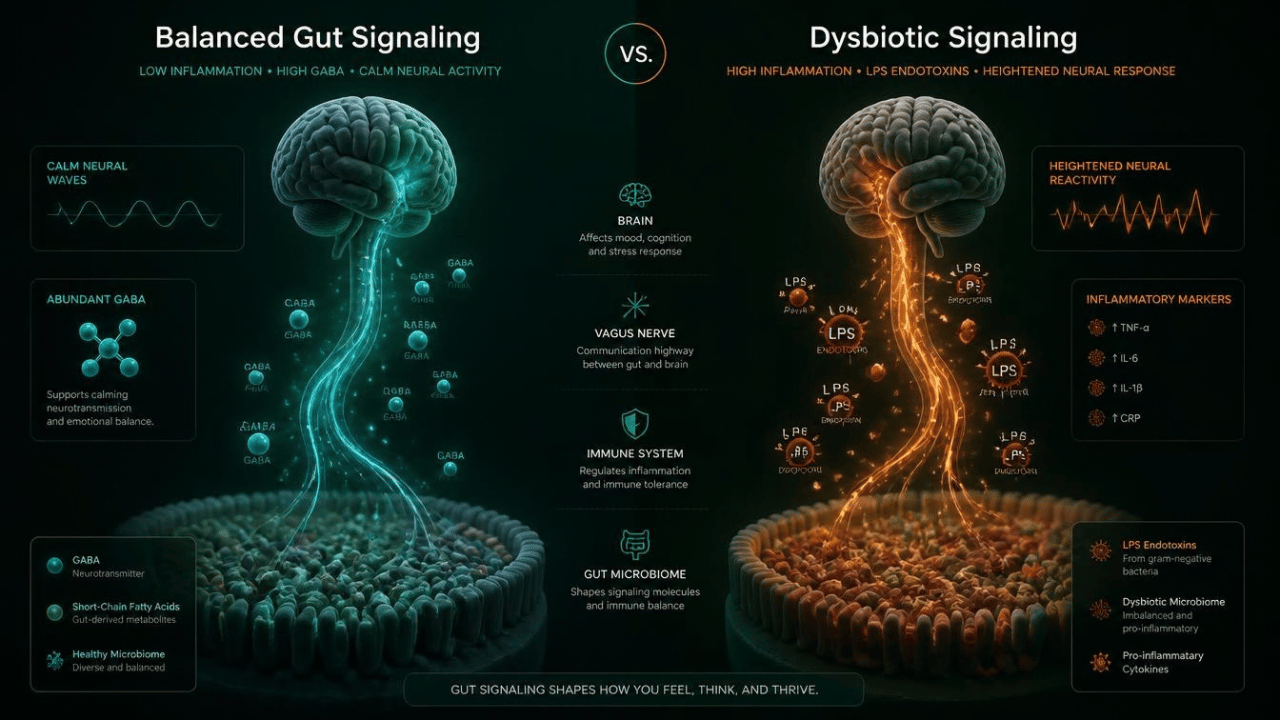
Biochemical signaling comparison—contrasting beneficial microbial neurotransmitter synthesis (Calm State) with dysbiosis-induced LPS endotoxin signaling (Inflammatory State).
2. Serotonin, GABA, and Neurotransmitter Production in the Mucosal Barrier
A widely overlooked physiological fact is that over 90% of the body’s total serotonin (5-HT) and roughly 50% of its dopamine are synthesized inside the gut, not the brain.
Specialized neuroendocrine cells in the intestinal lining—known as ECL (enterochromaffin) cells—produce serotonin in response to signals from the local microflora. Serotonin regulates intestinal peristalsis, gut motility, and visceral sensation.
However, when intestinal inflammation or dysbiosis damages ECL cells and depletes beneficial strains like Lactobacillus and Bifidobacterium, several neurological consequences follow:
- Disrupted Serotonin Signaling: Damaged mucosal tissues impair local serotonin production, leading to sluggish bowel motility, visceral hypersensitivity, and altered mood regulation.
- GABA Depletion & Increased Anxiety: Key probiotic strains produce GABA, the brain's primary inhibitory (calming) neurotransmitter. A deficit in GABA-producing microbes leads to central nervous system hyper-excitability, restless thoughts, and heightened stress vulnerability.
- The Kynurenine Pathway Hijack: Under chronic inflammation, the amino acid tryptophan is diverted away from serotonin synthesis and directed into the kynurenine pathway. This process generates neurotoxic metabolites like quinolinic acid, directly triggering brain fog, cognitive lethargy, and depressive moods.
3. Leaky Gut, Neuro-Inflammation, and the Blood-Brain Barrier
The connection between digestive health and cognitive clarity centers on structural barrier integrity. Just as the gut possesses a mucosal barrier made of tight junction proteins, the brain is protected by the Blood-Brain Barrier (BBB).
When intestinal permeability (leaky gut) develops, LPS (lipopolysaccharides)—toxic outer-membrane components of gram-negative bacteria—leak directly into systemic circulation.
Systemic LPS circulating in the blood triggers systemic immune activation:
- Circulating Cytokines: Systemic immune cells release inflammatory signaling proteins (TNF-alpha, IL-1 beta, and IL-6) into the bloodstream.
- BBB Permeability: These circulating cytokines weaken the tight junctions of the Blood-Brain Barrier, allowing inflammatory factors to enter brain tissue.
- Microglial Activation: Once inside the brain, inflammatory compounds activate microglia—the brain's resident immune cells. Activated microglia trigger neuro-inflammation, impairing synaptic plasticity, slowing processing speed, and creating the subjective feeling of heavy brain fog.
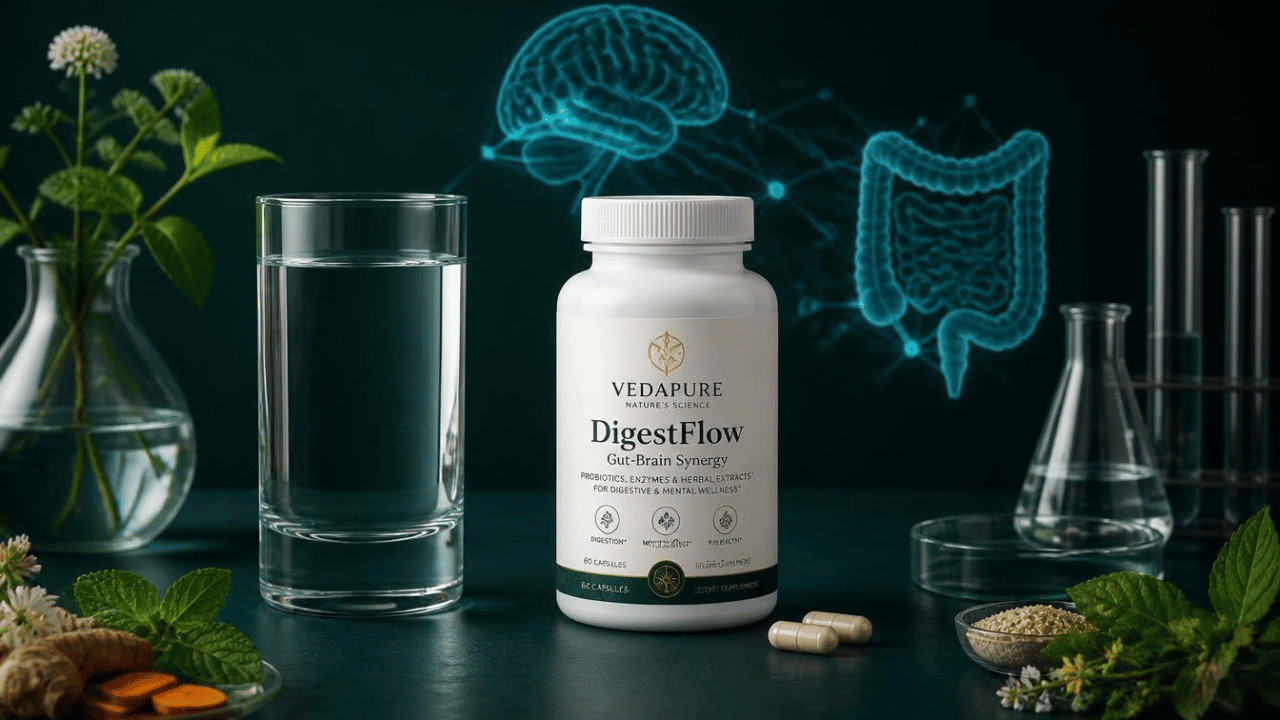
Daily neuro-digestive protocol pairing gut barrier repair compounds with psychobiotic-supportive strains to soothe vagal inflammation and clear cognitive fog.
4. The 3-Step Clinical Protocol: Restoring the Gut-Brain Pathway
Restoring cognitive clarity, emotional stability, and stress resilience requires addressing the root cause within the gut microbiome and intestinal lining.
Step 1: Quell Mucosal Inflammation & Reduce Endotoxin Leakage
Eliminate barrier-disrupting dietary triggers, ultra-processed ingredients, and industrial seed oils. Introduce mucosal soothing nutrients and antioxidants that neutralize free radicals and suppress LPS-induced inflammatory signals in the digestive tract.
Step 2: Seal the Intestinal Epithelium & Protect the Blood-Brain Barrier
Reinforce cellular tight junctions with key mucosal amino acids (such as L-Glutamine) and zinc carnosine. Closing epithelial gaps prevents systemic LPS trans-location, stopping neuro-inflammatory cytokines before they reach the blood-brain barrier.
Step 3: Reseed Psychobiotic & SCFA-Producing Strains
Reintroduce targeted probiotic strains capable of producing short-chain fatty acids (like butyrate) and GABA precursors. Butyrate crosses the blood-brain barrier, upregulates BDNF (Brain-Derived Neurotrophic Factor), supports microglial balance, and clears persistent brain fog.
5. Frequently Asked Questions (Clinical FAQ)
What is the gut-brain axis?
The gut-brain axis is a two-way biochemical communication network connecting the central nervous system (brain and spinal cord) with the enteric nervous system of the gastrointestinal tract, primarily through the Vagus Nerve, hormones, and immune signals.
How does an imbalanced gut cause brain fog?
Intestinal dysbiosis and leaky gut allow bacterial endotoxins (LPS) to enter the bloodstream, triggering systemic inflammation that crosses the blood-brain barrier and activates brain immune cells (microglia), causing cognitive sluggishness and brain fog.
What role does the Vagus Nerve play in anxiety and stress?
The Vagus Nerve carries signals between the gut and brain. When the gut is inflamed, the Vagus Nerve sends continuous distress signals to the brain, maintaining a state of sympathetic (fight-or-flight) arousal and heightened anxiety.
Is serotonin really produced in the gut?
Yes. Over 90% of the body's serotonin is produced in the gastrointestinal tract by specialized enterochromaffin cells, where it regulates gut motility, visceral sensation, and local signaling.
What are psychobiotics?
Psychobiotics are specific probiotic strains that, when ingested in adequate amounts, produce neuroactive substances (like GABA, serotonin, and short-chain fatty acids) that positively impact mental health and cognitive clarity.
Can fixing my gut help reduce chronic stress and anxiety?
Addressing gut dysbiosis, repairing the intestinal lining, and reducing neuro-inflammatory signals can help calm Vagus Nerve signaling, support balanced GABA production, and improve stress resilience.
How does leaky gut affect the blood-brain barrier?
Inflammatory cytokines generated by a leaky gut travel through the bloodstream and can compromise tight junctions in the blood-brain barrier, making the brain more vulnerable to systemic inflammatory factors.
What is the connection between gut inflammation and low energy or fatigue?
Chronic mucosal inflammation activates systemic immune pathways that consume significant metabolic energy, while dysbiosis reduces nutrient absorption and short-chain fatty acid synthesis needed for cellular energy.
Can diet changes immediately improve mood and cognitive focus?
Reducing refined sugars, artificial additives, and inflammatory oils reduces local gut irritation quickly, decreasing inflammatory signaling along the gut-brain axis within days to weeks.
What is Butyrate and why is it important for brain health?
Butyrate is a short-chain fatty acid produced by beneficial gut microbes. It supports gut barrier integrity, crosses the blood-brain barrier, and promotes the expression of Brain-Derived Neurotrophic Factor (BDNF), which supports brain cell health and cognitive performance.
How does chronic psychological stress affect the gut lining?
Stress triggers the release of cortisol and CRF (corticotropin-releasing factor), which increases intestinal permeability, alters gut motility, and impairs beneficial bacterial populations.
Why do I feel butterflies or nausea in my stomach when nervous?
Because of the dense network of neurons in the Enteric Nervous System, emotional stress rapidly triggers nerve signaling down the Vagus Nerve, altering gut motility and causing physical sensations in the stomach.
How do short-chain fatty acids (SCFAs) communicate with the brain?
SCFAs produced by bacterial fermentation travel through circulation, bind to specific receptors on immune and neural cells, and cross the blood-brain barrier to reduce neuro-inflammation.
How long does it take to notice cognitive improvements when healing the gut?
Many individuals experience improvements in bloating, mental clarity, and energy within 14 to 30 days of initiating a targeted protocol, with broader neuro-digestive balance establishing over 60 to 90 days.
How does the DigestFlow 180-day guarantee support long-term gut-brain recovery?
Rebalancing the microbiome, repairing intestinal tight junctions, and calming neuro-inflammatory pathways takes consistent daily care. The 180-day risk-free guarantee gives you six full months to evaluate your mental clarity, mood stability, and digestive comfort.
The Verdict: Swiss Clinical Summary
Is brain fog, mood instability, or stress-induced digestive discomfort a permanent state? Absolutely not. While an imbalanced microbiome and inflamed gut barrier continuously flood the brain with inflammatory signals, the gut-brain axis responds remarkably well to targeted physiological care.
By soothing vagal nerve irritation, closing permeable intestinal junctions, and reseeding the gut with psychobiotic-supportive strains, you can shut down systemic neuro-inflammation, restore neurotransmitter harmony, and regain sharp cognitive focus.
Our Recommendation
- Best used for: Clearing brain fog, calming stress-induced digestive distress, restoring gut-brain communication, and supporting natural serotonin and GABA pathways.
- Action Plan: Combine daily psychobiotic and barrier-supportive supplementation with stress-reduction practices, proper hydration, and a plant-diverse diet rich in fermentable prebiotic fibers.
👇 Learn how to rebuild your gut barrier and restore your gut-brain axis here:
👉 https://digestflow.purehabits.online
Disclaimer: This content is for educational purposes only and does not constitute medical advice. Consult with a qualified healthcare professional before beginning any new supplementation or dietary protocol, especially if you have pre-existing health conditions or take medication.
keep reading
Gut Health & Supplements
DigestiStart Review: Can This Herbal Formula Help Restore Digestive Health & Relieve Bloating?
Gut Health & Supplements
The Ultimate Guide to GERD: Causes, Symptoms & Natural Relief
Gut Health & Supplements