Gut Microbiome Weight Loss: The Ultimate Metabolism Guide
Discover how your gut microbiome influences weight loss and metabolism. Learn evidence-based strategies, diet plans, and natural remedies to optimize your gut flora.
disclosure This article contains affiliate links. Purchases may earn us a commission at no extra cost to you. We only recommend products we've reviewed.
Gut Microbiome Weight Loss: The Ultimate Guide to Gut Bacteria, Metabolism & Fat Loss
Struggling to shed unwanted weight despite strict dieting and consistent workouts is a common and frustrating challenge. Modern nutritional science reveals that the key to sustainable weight loss may not rely solely on traditional calorie counting, but on a vast internal ecosystem: your gut microbiome.
The trillions of microorganisms residing within your digestive tract do far more than process food. They act as a central control hub for your metabolic rate, hormone production, inflammation control, and fat storage. Understanding the mechanism behind gut microbiome weight loss provides a clear roadmap to breaking through weight plateaus naturally.
Gut Microbiome and Weight: The Biological Connection
Your digestive system houses around 100 trillion micro-organisms, primarily bacteria, viruses, fungi, and archaea. The collection of these microbes—and their unique genetic material—is known as the gut microbiome.
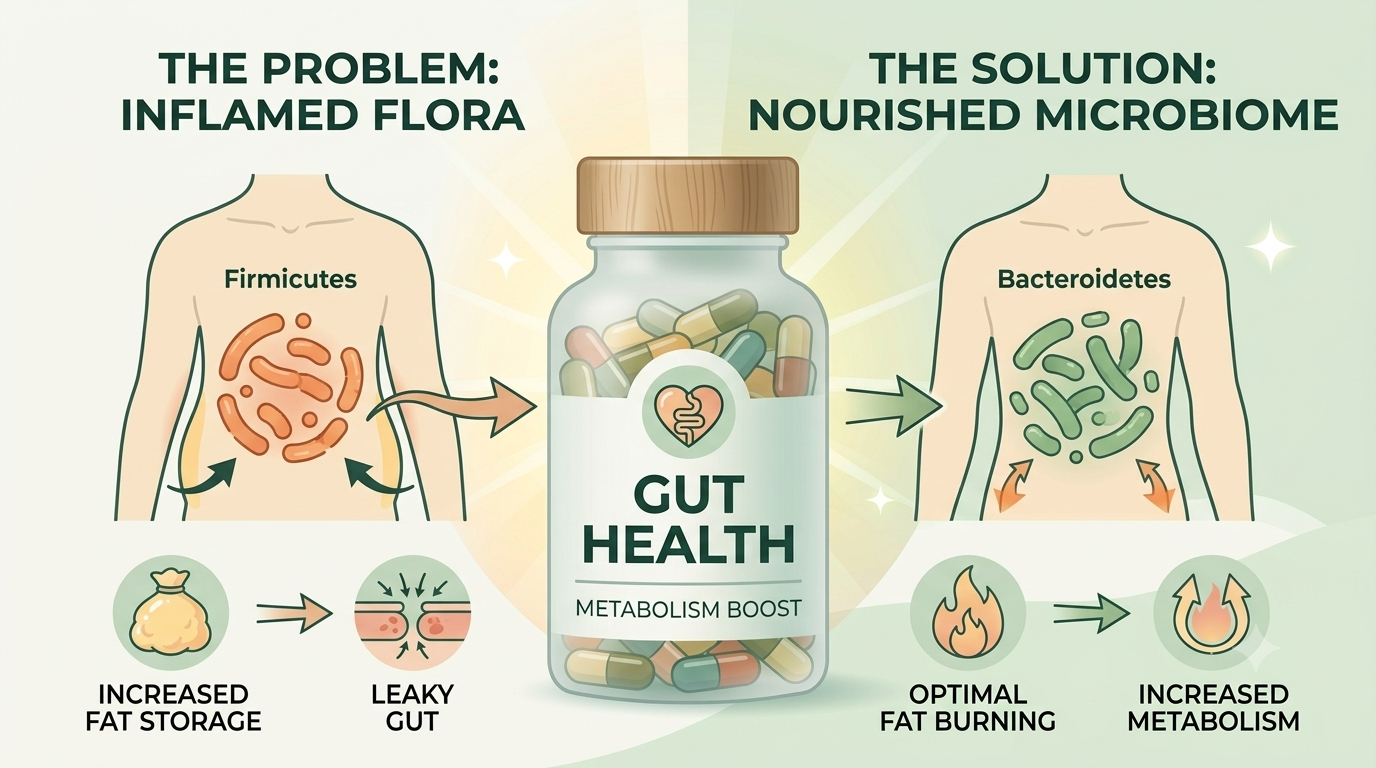
When evaluating gut microbiome and weight, researchers pay close attention to two primary divisions of bacteria: Firmicutes and Bacteroidetes.
The Firmicutes-to-Bacteroidetes Ratio
- Firmicutes: These bacteria excel at breaking down complex, indigestible carbohydrates and extracting maximum calories from the food you eat.
- Bacteroidetes: These strains are associated with leaner body compositions, breaking down complex plant fibers into short-chain fatty acids (SCFAs) that regulate metabolism without converting excess energy into body fat.
Lean individuals typically display a higher ratio of Bacteroidetes to Firmicutes, alongside higher overall microbial diversity. Conversely, individuals experiencing obesity often have an elevated Firmicutes-to-Bacteroidetes ratio. This means two people consuming the exact same meal can extract completely different amounts of net calories based on their internal bacterial profile.
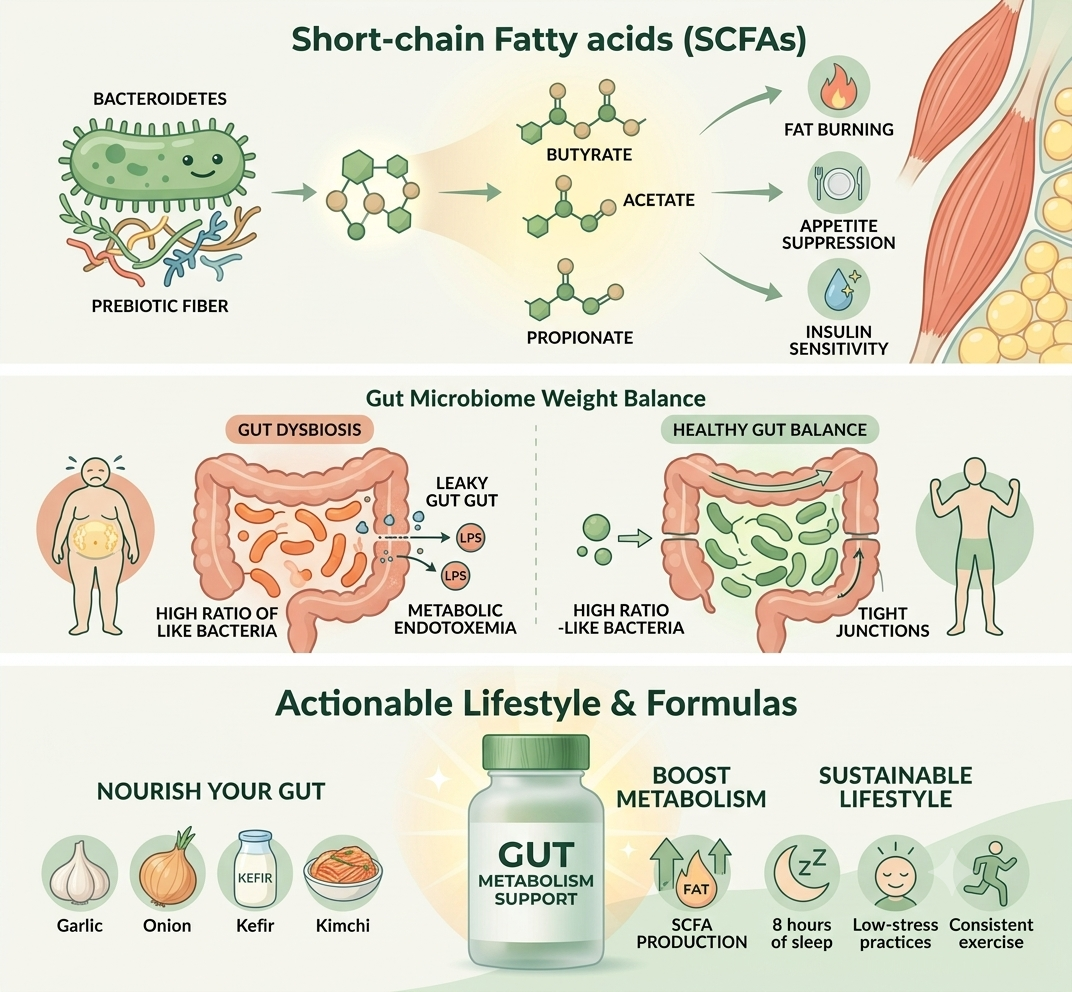
Infographic showing prebiotic fiber fermentation by Bacteroidetes bacteria into SCFAs (Butyrate, Acetate, Propionate) for fat burning and appetite suppression
👉 Check out this [Advanced Gut Rebuild Formula] for daily lining support and balanced inflammation levels.
How Gut Microbiome Affects Weight and Metabolism
Understanding how gut microbiome affects weight requires examining the metabolic pathways influenced by gut health. The microbial population alters daily energy balance and weight management through four main biological mechanisms:
1. Metabolic Endotoxemia and Systemic Inflammation
When the gut lining is compromised—a condition known as intestinal permeability or "leaky gut"—bacterial fragments called lipopolysaccharides (LPS) cross from the intestines into the bloodstream.
This leakage triggers systemic, low-grade chronic inflammation. LPS molecules bind to immune receptors, leading to insulin resistance. When cells become resistant to insulin, the body produces higher levels of insulin to clear blood glucose, signaling the body to store energy as visceral fat rather than burn it for fuel.
2. Production of Short-Chain Fatty Acids (SCFAs)
When beneficial gut microbes ferment dietary fiber, they produce essential compounds called Short-Chain Fatty Acids (SCFAs), including:
- Butyrate: Fuels the cells lining the colon, strengthens the gut barrier, and stimulates mitochondria to burn fat.
- Propionate: Reduces food intake and improves glucose tolerance by acting directly on liver metabolism.
- Acetate: Helps control systemic appetite signals and regulates lipid synthesis in adipose tissue.
Proper SCFA production signals to the body that energy is abundant, raising resting metabolic expenditure and reducing fat accumulation.
3. Hormonal Regulation and Appetite Signals
Your gut bacteria interact continuously with your endocrine system. They directly regulate the release of key hunger-modulating hormones:
- GLP-1 (Glucagon-Like Peptide-1): Promotes satiety, slows gastric emptying, and improves insulin secretion.
- PYY (Peptide YY): Signals the brain that you have consumed sufficient food, curbing overeating.
- Leptin and Ghrelin: Balanced microbial populations preserve proper leptin sensitivity (the "fullness" hormone) while preventing excessive spikes in ghrelin (the "hunger" hormone).
4. Bile Acid Metabolism and Fat Digestion
Gut bacteria modify primary bile acids produced by the liver into secondary bile acids. These secondary bile acids bind to specialized receptors (such as FXR and TGR5) that regulate lipid and glucose metabolism, thyroid function, and overall energy expenditure.
Root Causes of Gut Dysbiosis and Weight Gain
When the natural balance of gut bacteria becomes disrupted—a state called dysbiosis—the body shifts toward energy storage, cravings, and sluggish digestion. Several modern factors contribute to microbial imbalance:
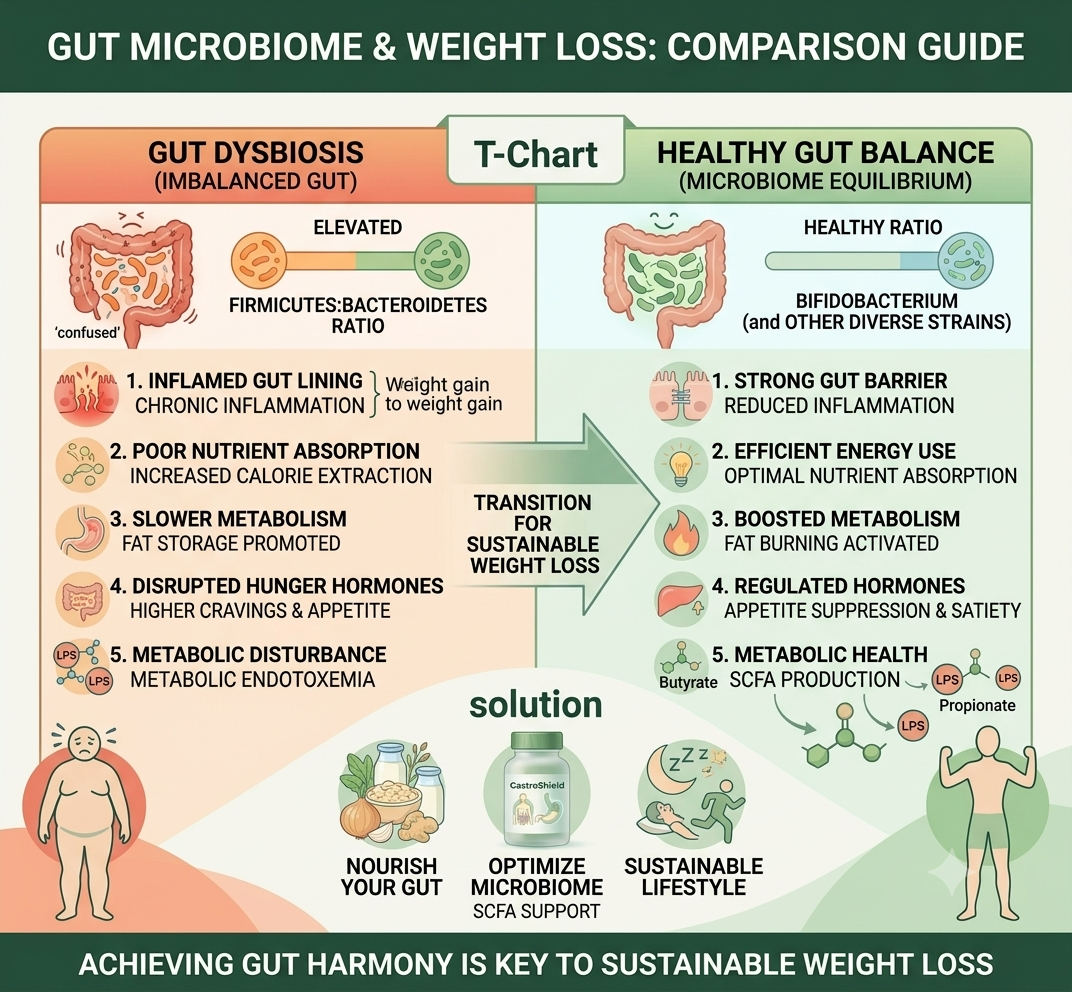
Visual comparison infographic between Gut Dysbiosis (imbalanced bacteria leading to leaky gut and visceral fat) and Healthy Gut Balance (supporting tight junctions and a lean body composition).
- Ultra-Processed Diets: High intake of refined sugars, artificial sweeteners, and trans fats starves beneficial microbes while feeding inflammatory strains.
- Overuse of Antibiotics: Broad-spectrum antibiotics destroy harmful pathogens, but they also clear out large colonies of beneficial bacteria, reducing total microbial diversity.
- Chronic Stress: High levels of cortisol alter gut permeability, decrease mucosal immunity, and disrupt normal gut motility.
- Inadequate Dietary Fiber: A lack of varied plant fibers deprives beneficial bacteria of their main energy source, causing them to degrade the protective mucosal lining of the stomach instead.
5 Science-Backed Strategies for Gut Microbiome Weight Loss
Restoring your intestinal ecosystem requires a structured, multi-faceted approach. By adopting habits that feed beneficial bacteria, you create an internal environment that supports fat loss and metabolic efficiency.
1. Increase Prebiotic Fiber Diversity
Prebiotic fibers pass through the upper digestive tract undigested, reaching the colon where they serve as fuel for beneficial bacteria.
- Incorporate garlic, onions, leeks, shallots, and asparagus.
- Eat slightly green bananas, oats, legumes, and cold cooked potatoes (rich in resistant starch).
- Aim for at least 30 to 35 grams of total dietary fiber per day from varied plant sources.
2. Practice the "30 Plants Per Week" Rule
Microbial diversity thrives on dietary diversity. Consuming a wide range of plant-based foods helps cultivate a rich variety of bacterial strains. Include a mix of:
- Vegetables and leafy greens
- Fruits and berries
- Whole grains
- Nuts and seeds
- Legumes and beans
- Culinary herbs and spices
3. Integrate Naturally Fermented Foods
Fermented foods contain live active cultures that temporarily colonize the gut and produce beneficial metabolic byproducts.
- Kefir: A fermented milk or water drink rich in diverse probiotic cultures.
- Sauerkraut & Kimchi: Fermented vegetables packed with Lactobacillus species and organic acids.
- Unsweetened Yogurt: Look for options with "live and active cultures" on the label.
- Kombucha: Fermented tea containing organic acids and beneficial yeasts (choose low-sugar options).
4. Optimize Sleep Hygiene and Stress Levels
Your gut microbiome has its own circadian rhythm. Poor sleep quality and elevated stress negatively impact gut barrier integrity and shift microbial populations toward inflammatory profiles.
- Aim for 7 to 9 hours of uninterrupted sleep per night.
- Practice stress-reduction techniques like deep breathing, daily walking, or meditation to lower cortisol levels.
5. Utilize Targeted Botanical and Probiotic Formulas
In conjunction with dietary changes, targeted natural supplements can help manage bloating, support gastric motility, and soothe the digestive lining.
Looking to support your gut health and metabolism naturally? You can explore high-quality digestive and botanical support formulas directly through the official portal:
👉 Check out this [Advanced Gut Rebuild Formula] for daily lining support and balanced inflammation levels.
Step-by-Step 7-Day Gut-Reset Meal Plan Template
To put these strategies into practice, follow this sample weekly outline designed to maximize plant diversity and prebiotic fiber intake:
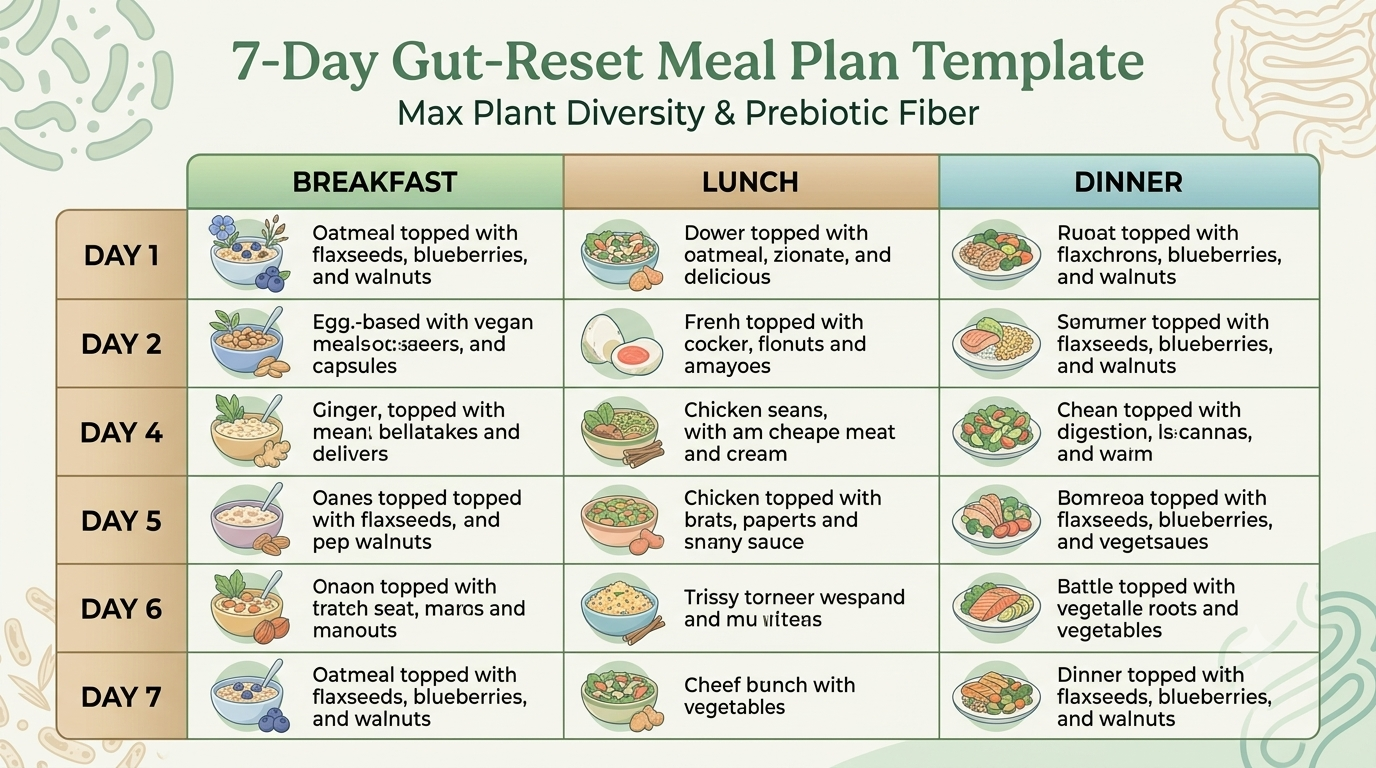
7-day gut reset meal plan infographic showing healthy breakfast, lunch, and dinner options for gut microbiome health
Detailed FAQ: Gut Microbiome and Weight Loss
1. How long does it take to rebuild your gut microbiome for weight loss?
Initial shifts in microbial populations begin within 24 to 48 hours after altering your diet. However, establishing a stable, diverse, and resilient microbiome capable of supporting long-term metabolic health typically takes 3 to 6 months of consistent dietary and lifestyle changes.
2. Can probiotics alone cause weight loss?
While targeted probiotic strains (such as Lactobacillus gasseri, Lactobacillus rhamnosus, and Bifidobacterium lactis) support metabolic health and reduce abdominal fat, they are not magic pills. Probiotics work best when combined with a high-fiber diet, adequate sleep, and regular physical activity.
3. What are the signs of an unhealthy gut microbiome?
Common indicators of gut dysbiosis include frequent bloating, abdominal gas, acid reflux, irregular bowel movements (constipation or diarrhea), persistent sugar cravings, unexplainable weight fluctuations, chronic fatigue, and skin irritation like eczema or acne.
4. Do artificial sweeteners harm gut bacteria?
Yes. Studies suggest that certain non-nutritive artificial sweeteners (such as saccharin and sucralose) can alter the composition and functional capacity of the gut microbiota. This imbalance may lead to glucose intolerance and negatively affect metabolic regulation.
5. How does intermittent fasting impact the gut microbiome?
Intermittent fasting gives the digestive system a rest, allowing the Migrating Motor Complex (MMC) to clear undigested food debris. Fasting periods can also increase microbial diversity and support strains like Akkermansia muciniphila, which strengthens the gut lining and improves insulin sensitivity.
6. What foods harm beneficial gut bacteria the most?
Ultra-processed foods, refined sugars, fried foods containing trans fats, excessive alcohol, and foods with synthetic additives or emulsifiers cause the most damage. They encourage the growth of inflammatory bacterial strains while degrading the protective mucosal barrier.
7. Is a stool test necessary to fix your gut for weight loss?
A comprehensive stool test (such as GI-MAP or gut sequencing) can offer insights into specific bacterial imbalances and digestive markers, but it is not strictly necessary. Adopting a diverse, fiber-rich diet, reducing stress, and eliminating processed foods benefit the gut microbiome regardless of baseline testing.
👉 Check out this [Advanced Gut Rebuild Formula] for daily lining support and balanced inflammation levels.
keep reading
Gut Health & Supplements
DigestiStart Review: Can This Herbal Formula Help Restore Digestive Health & Relieve Bloating?
Gut Health & Supplements
The Ultimate Guide to GERD: Causes, Symptoms & Natural Relief
Gut Health & Supplements