
Food Intolerance vs. Food Allergy: Decoding Gut Barrier Dysfunction and Immune Overload
Learn the critical clinical differences between food allergies and food intolerances, how histamine triggers gut distress, and how to restore intestinal barrier integrity.
disclosure This article contains affiliate links. Purchases may earn us a commission at no extra cost to you. We only recommend products we've reviewed.
Food Intolerance vs. Food Allergy: Decoding Gut Barrier Dysfunction and Immune Overload
When digestive distress strikes after a meal, it is easy to lump all adverse physical reactions into a single category. Whether it is sudden abdominal cramping, severe bloating, skin rashes, or post-meal fatigue, millions of individuals struggle daily to understand why their bodies reject certain foods.
A frequent point of confusion in clinical practice is distinguishing between a true food allergy and a food intolerance (including enzymatic deficiencies and histamine overload). While both conditions originate within the digestive tract, their mechanisms, immune pathways, and potential health risks are entirely different.
In this clinical review, we examine the physiological boundaries separating immune-mediated allergies from metabolic intolerances, why a compromised gut barrier fuels chronic food sensitivities, and how to reset your digestive resilience.
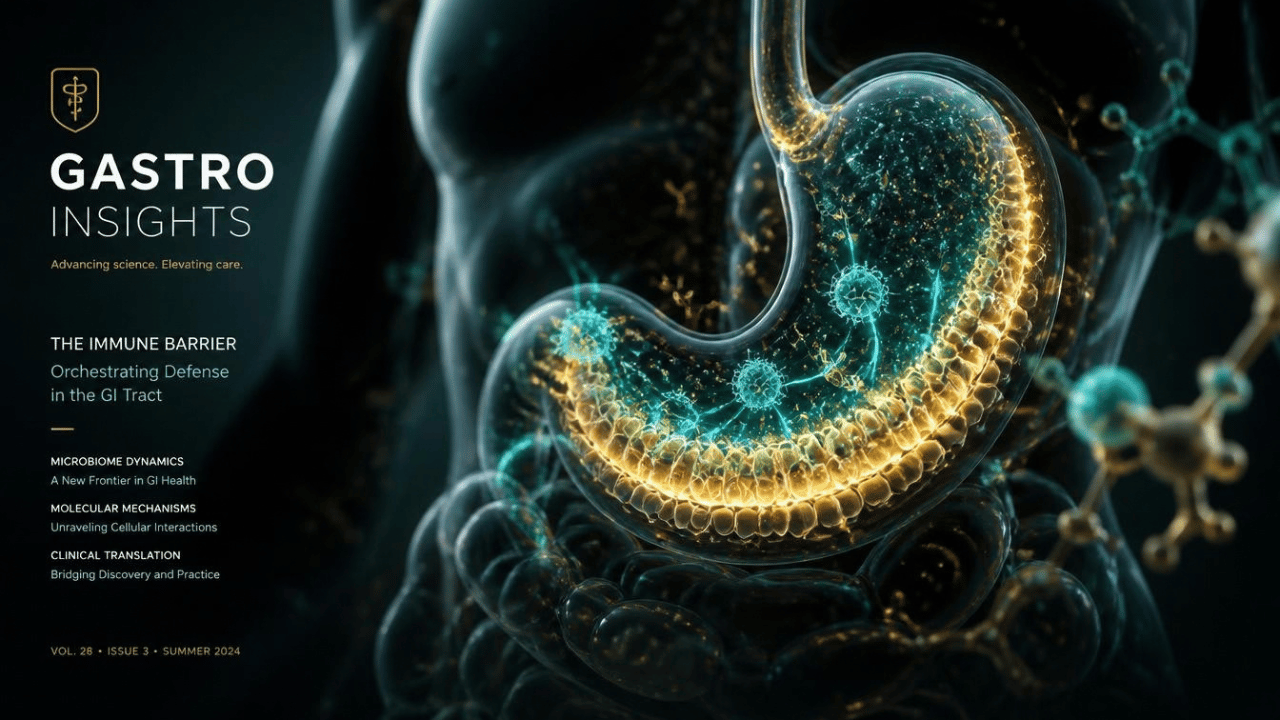 Clinical mapping of adverse food reactions—visualizing the structural divide between immune-driven food allergies and metabolic intolerances.
1. The Core Distinction: Immune Defense vs. Digestive Processing
Understanding how your body reacts to specific foods begins with identifying which physiological system is being activated:
- Food Allergies (Immune-Mediated): A true food allergy involves the immune system—specifically Immunoglobulin E (IgE) antibodies—mistakenly identifying a harmless food protein as a dangerous pathogen. Even microscopic amounts can trigger rapid, systemic immune responses ranging from hives and swelling to life-threatening anaphylaxis.
- Food Intolerances (Metabolic / Enzymatic): Intolerances are generally non-allergic and non-immune. They occur when the digestive tract lacks the specific enzymes required to break down certain compounds (such as lactase for dairy) or when chemical agents like histamine accumulate beyond the body's breakdown capacity.
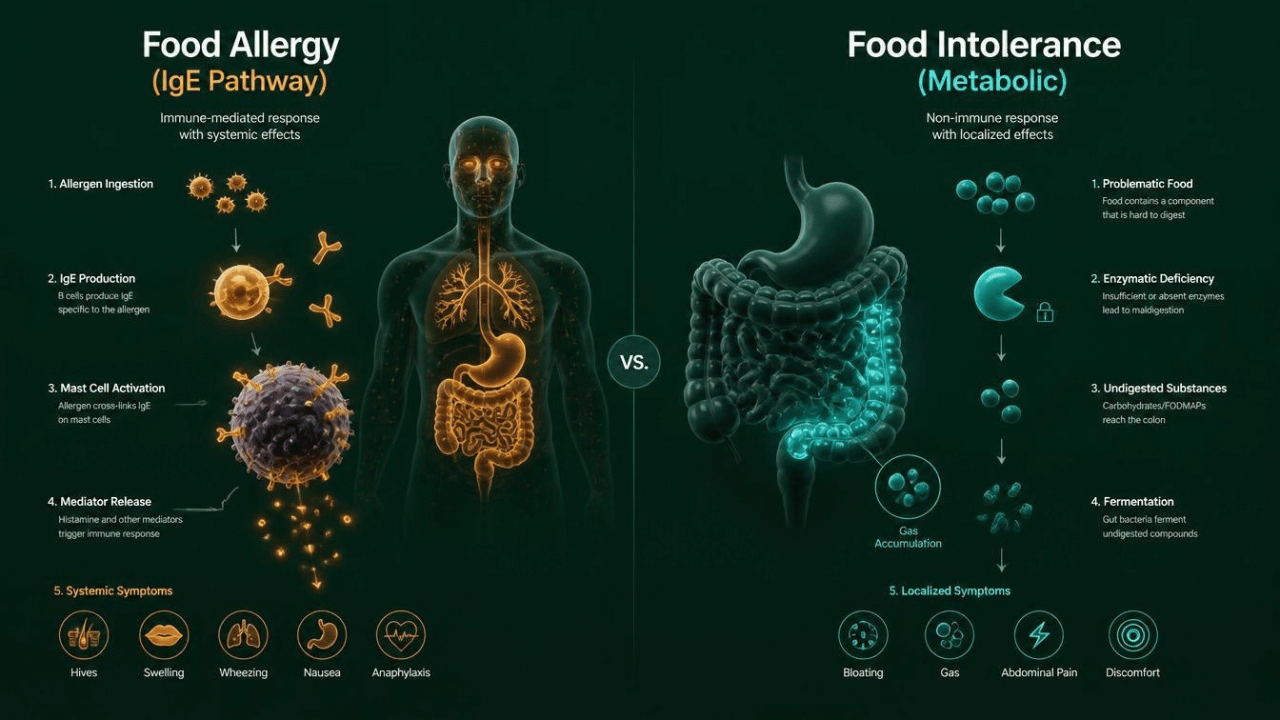 Mechanistic comparison—contrasting systemic IgE immune activation (Food Allergy) with localized enzymatic and chemical processing failures (Food Intolerance).
2. The Hidden Culprit: Histamine Intolerance and Intestinal Permeability
When discussing chronic digestive discomfort, histamine intolerance frequently plays a major role. Histamine is a biogenic amine naturally found in many foods (such as aged cheeses, fermented products, cured meats, and tomatoes) and is also produced internally by immune cells.
Under normal conditions, the enzyme diamine oxidase (DAO) produced in the small intestinal lining breaks down dietary histamine. However, when the gut barrier is compromised by low-grade inflammation, dysbiosis, or nutrient deficiencies:
- DAO Production Drops: The brush border of the small intestine fails to secrete adequate DAO enzymes.
- Histamine Accumulation Occurs: Unprocessed histamine floods the bloodstream, mimicking allergic reactions such as migraines, flushing, hives, nasal congestion, and severe digestive bloating.
- Tight Junction Breakdown: Increased intestinal permeability ("leaky gut") allows undigested food molecules and bacterial endotoxins to cross the epithelial barrier, perpetually stimulating local immune surveillance.
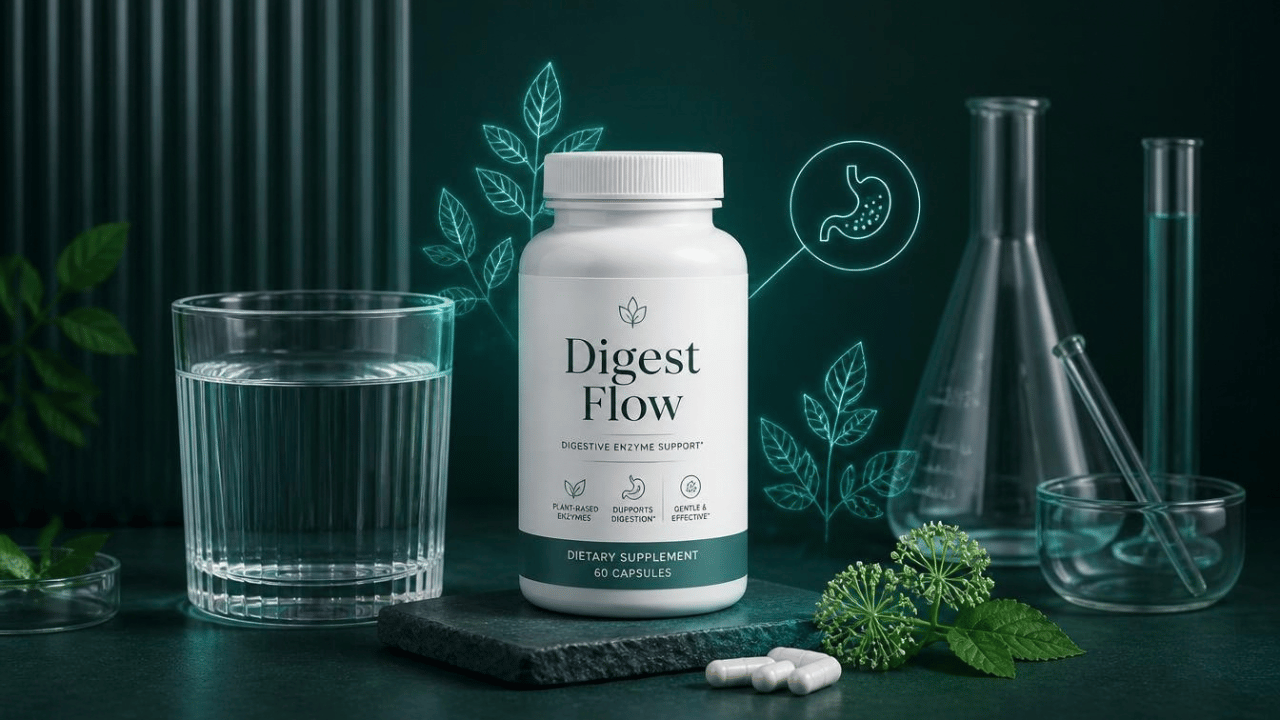 Daily gut barrier support protocol combining mucosal repair nutrients and targeted enzyme support to normalize digestive tolerance.
3. The 3-Step Clinical Protocol: Restoring Immune Tolerance
Overcoming chronic food intolerances and calming immune reactivity requires a systematic approach focused on barrier healing and enzyme optimization.
Step 1: Identify and Temporarily Remove Active Triggers
Implement a structured elimination phase to remove common inflammatory foods, high-histamine items, or specific enzymatic irritants (such as lactose) that continually provoke digestive distress and immune flare-ups.
Step 2: Repair the Epithelial Lining & Tight Junctions
Support the regeneration of enterocytes using targeted amino acids like L-Glutamine, zinc carnosine, and soothing botanical extracts. Strengthening tight junctions prevents macromolecules from leaking into systemic circulation.
Step 3: Support Enzymatic Capacity & Reintroduce Foods Gradually
Provide exogenous digestive enzymes (such as lactase or DAO supplements) during the healing phase to assist food breakdown. Systematically reintroduce whole foods to test expanded dietary tolerance.
4. Frequently Asked Questions (Clinical FAQ)
What is the fundamental difference between a food allergy and a food intolerance?
A food allergy is an immune system reaction involving IgE antibodies that can trigger severe, systemic responses. A food intolerance is a digestive or metabolic issue (such as enzyme deficiency) that causes localized discomfort without involving the immune system.
Can a food intolerance cause skin rashes or hives?
While true hives are classically associated with IgE-mediated food allergies or chemical histamine overload, severe gut barrier dysfunction can lead to systemic immune activation that manifests as skin irritation.
What is histamine intolerance and how does it develop?
Histamine intolerance occurs when the body accumulates more histamine than it can break down, usually due to low levels of the DAO enzyme in a damaged small intestinal lining.
Why do standard allergy tests often come back negative when I feel sick after eating?
If your symptoms are caused by a food intolerance, enzyme deficiency, or non-IgE sensitivity, standard allergy blood tests and skin-prick tests will not detect an immune response because the reaction is non-allergic.
How does lactose intolerance differ from a milk allergy?
Lactose intolerance is the inability to digest milk sugar due to a lack of the lactase enzyme. A milk allergy is a dangerous immune reaction directed against milk proteins (casein or whey).
Can a damaged gut barrier cause multiple new food sensitivities?
Yes. When intestinal permeability increases, partially digested proteins cross the barrier and trigger immune vigilance, creating a cycle where you react to an increasing number of foods.
What are the most common symptoms of histamine overload?
Common symptoms include abdominal bloating, headaches, flushing, nasal congestion, hives, fatigue, and digestive cramping after consuming aged, fermented, or processed foods.
How long does it take to repair the intestinal barrier?
While initial reductions in bloating and digestive discomfort often occur within 2 to 4 weeks of targeted care, complete structural restoration of tight junctions typically takes 60 to 90 days.
Are elimination diets safe to follow long-term?
No. Elimination diets are designed as short-term diagnostic and healing tools. Prolonged strict restriction can harm microbial diversity and should always be followed by systematic food reintroduction.
Do digestive enzyme supplements cure food intolerances?
Digestive enzyme supplements provide temporary assistance by breaking down specific compounds (like lactose or gluten proteins) when natural enzyme output is low, but addressing root-cause gut inflammation is necessary for lasting healing.
Can stress worsen food sensitivities and gut permeability?
Yes. Chronic stress releases cortisol and corticotropin-releasing hormone, which directly weaken intestinal tight junctions and alter gut motility, worsening both intolerances and immune reactivity.
What role does DAO (diamine oxidase) play in digestion?
DAO is the primary enzyme responsible for degrading ingested histamine in the digestive tract, protecting the body from histamine toxicity and intolerance symptoms.
Is it possible to outgrow a food intolerance?
Yes. Unlike lifelong IgE-mediated allergies, many metabolic intolerances and secondary sensitivities improve significantly once the underlying gut inflammation resolves and barrier integrity is restored.
How do probiotics influence food reactions?
Specific clinically studied probiotic strains help modulate local immune responses, reinforce the mucosal barrier, and reduce excessive gas fermentation in the gut.
How does the GutBarrier 180-day guarantee support my recovery?
Healing compromised tight junctions, restoring enzymatic balance, and overcoming chronic food sensitivities requires consistent daily support. The 180-day risk-free guarantee gives you six full months to evaluate your digestive resilience risk-free.
The Verdict: Swiss Clinical Summary
Is navigating daily digestive distress, mysterious post-meal bloating, and escalating food sensitivities a permanent reality? Absolutely not. While living with food intolerances or histamine overload can severely disrupt your quality of life, the intestinal epithelium possesses remarkable regenerative capacity.
By differentiating between true immune allergies and metabolic processing hurdles, repairing compromised tight junctions, and supporting your digestive enzyme output, you can eliminate post-meal distress and expand your dietary freedom.
Our Recommendation
- Best used for: Supporting intestinal barrier integrity, neutralizing occasional histamine overload, enhancing digestive enzyme efficiency, and eliminating post-meal bloating.
- Action Plan: Combine targeted mucosal repair supplementation with mindful meal spacing, proper hydration, and a structured approach to food reintroduction.
Disclaimer: This content is for educational purposes only and does not constitute medical advice. Consult with a qualified healthcare professional before beginning any new supplementation or dietary protocol, especially if you have pre-existing health conditions or take medication.
keep reading
Gut Health & Supplements
DigestiStart Review: Can This Herbal Formula Help Restore Digestive Health & Relieve Bloating?
Gut Health & Supplements
The Ultimate Guide to GERD: Causes, Symptoms & Natural Relief
Gut Health & Supplements