
Living with IBS Is Not Just "In Your Head": The Definitive Clinical Guide to Managing Irritable Bowel Syndrome
Discover how to manage irritable bowel syndrome (IBS), eliminate severe bloating, soothe abdominal discomfort, and restore gut barrier integrity naturally.
disclosure This article contains affiliate links. Purchases may earn us a commission at no extra cost to you. We only recommend products we've reviewed.
Living with IBS Is Not Just "In Your Head": The Definitive Clinical Guide to Managing Irritable Bowel Syndrome
For millions of individuals, waking up every single day brings a familiar, distressing routine: mild abdominal discomfort that rapidly escalates into severe bloating, painful gas, unpredictable bouts of diarrhea or constipation, and an overwhelming sense of physical exhaustion.
For years, patients suffering from these symptoms are frequently told by conventional practitioners that "all tests look normal" or that their chronic distress is merely psychosomatic—implying that living with Irritable Bowel Syndrome (IBS) is something they simply have to endure.
However, modern clinical gastroenterology recognizes that IBS is a very real, highly complex physiological condition rooted in mucosal hypersensitivity, low-grade intestinal inflammation, altered gut motility, and severe microbial dysbiosis.
In this clinical review, we examine the true root causes driving irritable bowel syndrome, how visceral hypersensitivity transforms normal digestion into agonizing pain, and a targeted 3-step protocol to calm the enteric nervous system and restore daily digestive comfort.
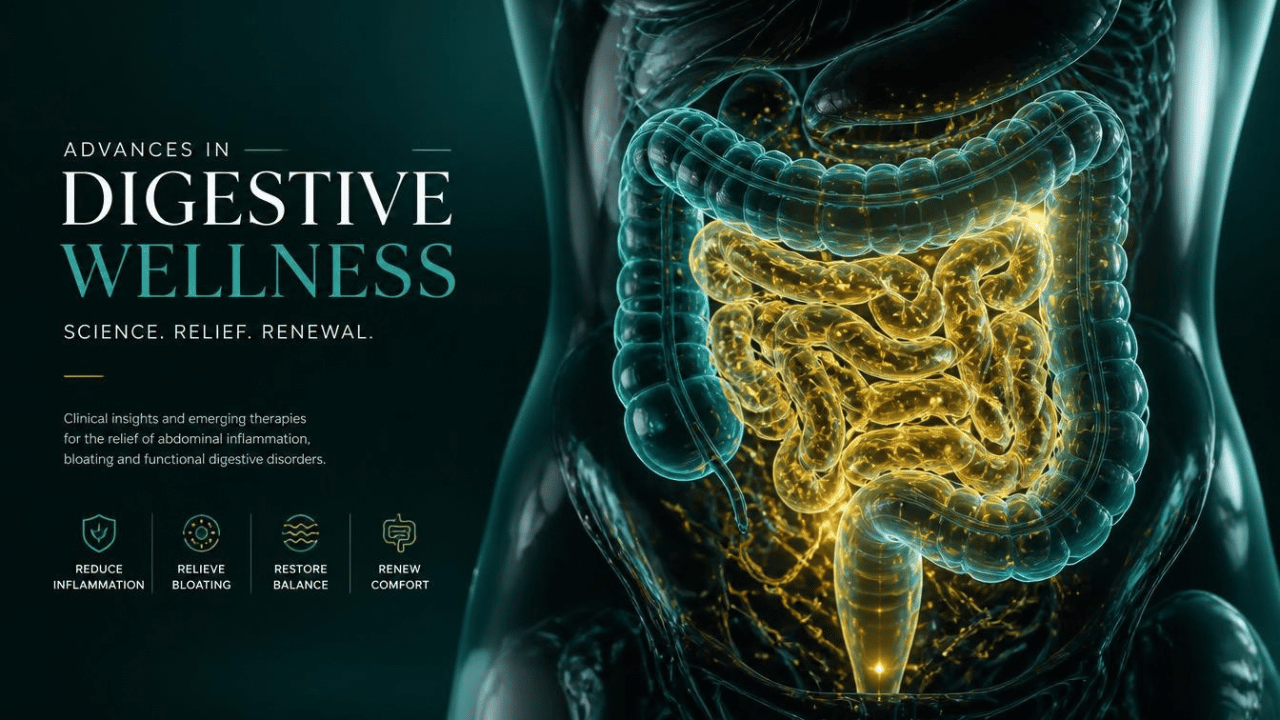
Clinical mapping of Irritable Bowel Syndrome—visualizing visceral hypersensitivity and smooth muscle tension along the lower intestinal tract.
1. Beyond "Normal" Tests: Decoding the Root Causes of IBS
Irritable Bowel Syndrome is classified as a functional gastrointestinal disorder, meaning standard colonoscopies and blood tests often reveal no structural tissue damage or visible ulcers. Yet, patients experience intense physical suffering, frequently searching for answers regarding what IBS feels like when severe flare-ups strike.
Clinical evaluations indicate that IBS symptoms stem from a combination of interconnected physiological failures:
- Visceral Hypersensitivity: The enteric nervous system embedded in the gut wall becomes hypersensitive. Minor gas production, normal peristalsis, or standard food breakdown are mistakenly interpreted by the brain as intense pain, cramping, and severe abdominal distension.
- Microbial Imbalance (Dysbiosis): An overgrowth or depletion of specific bacterial strains alters fermentation patterns in the colon, generating excess hydrogen, methane, or hydrogen sulfide gases that stretch the intestinal walls.
- Low-Grade Mucosal Inflammation: Post-infectious triggers or chronic dietary irritants leave the intestinal epithelium in a state of low-grade immune activation, impairing tight junctions and increasing localized permeability.
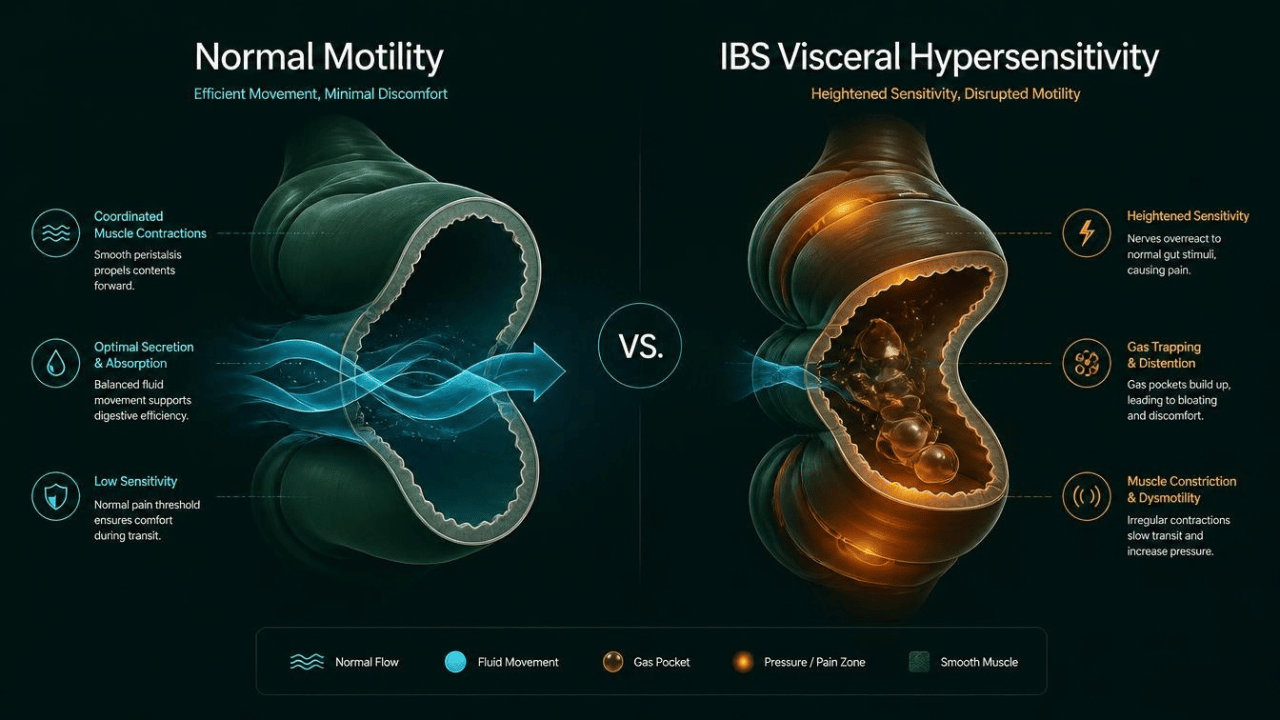 Physiological comparison—contrasting normal peristaltic flow (Balanced State) with gas-distended intestinal pressure and visceral hypersensitivity (IBS State).
2. Managing the Core Trio: Bloating, Pain, and Irregular Motility
When addressing IBS symptoms clinically, protocols must target the three primary physical manifestations that disrupt daily life:
- Severe Abdominal Bloating & Distension: Trapped gas and delayed gastric emptying cause the abdomen to swell uncomfortably throughout the day. Restoring proper enzyme activity and reducing fermentable triggers helps eliminate post-meal distension.
- Lower Intestinal Pain & Cramping: Spasms in the smooth muscle layers of the colon create sharp, localized discomfort. Supplying mucosal-soothing nutrients helps relax smooth muscle tissue and reduce visceral pain signaling.
- Altered Bowel Habits (Diarrhea-Predominant vs. Constipation-Predominant): Regulating the migrating motor complex (MMC) and balancing short-chain fatty acid production normalizes transit time, resolving unpredictable shifts between urgent looseness and stubborn sluggishness.
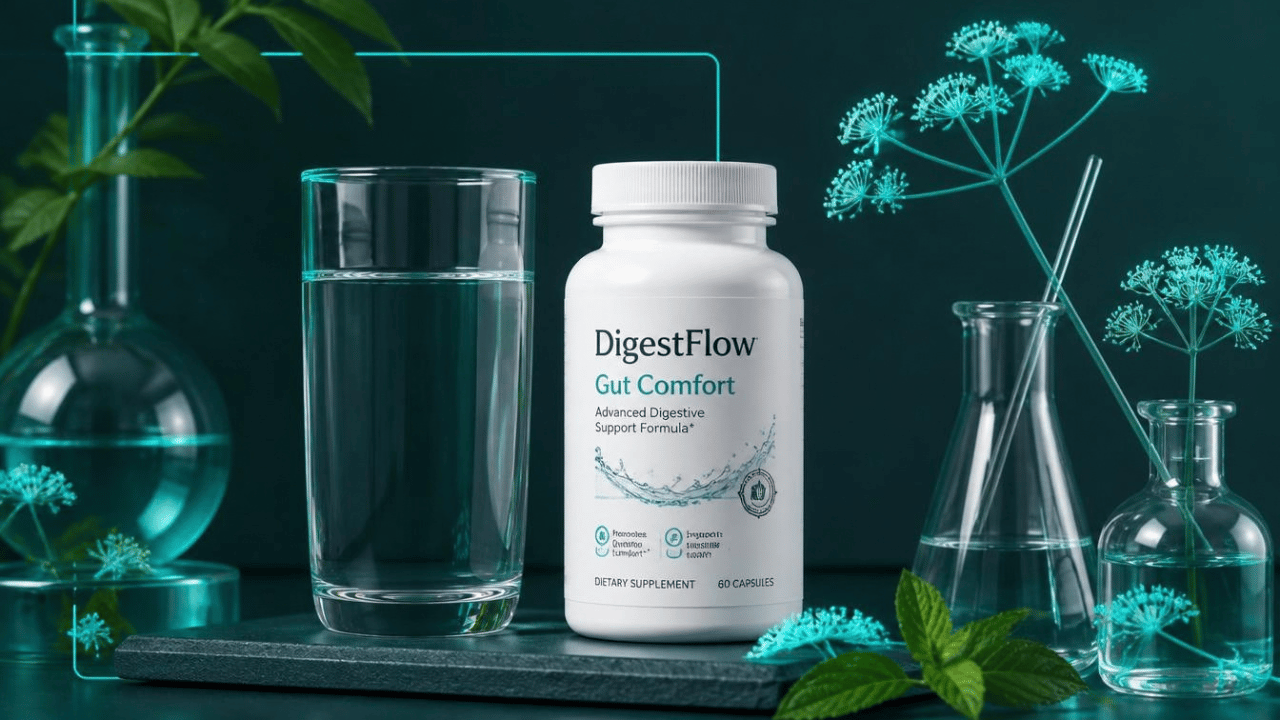
Daily digestive comfort protocol combining gut-lining support nutrients and targeted probiotic strains to soothe visceral nerves and eliminate bloating.
3. The 3-Step Clinical Protocol: Calming the Irritable Gut
Achieving long-term freedom from IBS symptoms requires a structured, multi-phase physiological reset rather than temporary symptom suppression.
Step 1: Unload Fermentation Triggers & Soothe Mucosal Irritation
Temporarily reduce high-FODMAP foods and abrasive dietary triggers that feed gas-producing bacteria. Introduce soothing mucosal agents that coat the intestinal lining and calm overactive nerve endings in the gut wall.
Step 2: Seal Tight Junctions & Suppress Low-Grade Inflammation
Repair the epithelial barrier using targeted amino acids like L-Glutamine and gut-repairing minerals. Closing microscopic gaps prevents undigested food particles and bacterial byproducts from triggering local immune reactions.
Step 3: Reintroduce Strain-Specific Probiotics & Restore Motility
Incorporate resilient probiotic strains clinically proven to reduce gas production, modulate visceral pain perception, and support regular, comfortable bowel movements without harsh laxatives.
4. Frequently Asked Questions (Clinical FAQ)
What does IBS feel like physically?
IBS typically presents as recurring lower abdominal pain, cramping, severe bloating, abdominal distension, and unpredictable bowel habits that alternate between diarrhea, constipation, or a mix of both.
Why do I look pregnant or extremely bloated by the end of the day with IBS?
End-of-day abdominal distension is usually caused by bacterial fermentation producing excess gas, combined with sluggish intestinal motility and visceral hypersensitivity that makes the abdominal wall relax outward under minimal pressure.
Can gut dysbiosis directly trigger irritable bowel syndrome?
Yes. An imbalance in gut microflora alters gas production, increases mucosal inflammation, and disrupts the chemical signals sent along the gut-brain axis, directly worsening IBS symptoms.
What is visceral hypersensitivity?
Visceral hypersensitivity is a condition where the nerve endings lining the digestive tract become hyper-reactive, sending strong pain signals to the brain in response to normal levels of gas, digestion, or bowel stretching.
How does L-glutamine help manage IBS symptoms?
L-Glutamine is the primary fuel source for intestinal cells (enterocytes). It helps repair tight junctions in the gut lining, reducing intestinal permeability and calming low-grade mucosal inflammation.
Are all probiotics beneficial for IBS?
No. Certain probiotic strains can worsen bloating or gas if they produce excessive fermentation in the wrong sections of the gut. Strain-specific, spore-based or transient beneficial strains are generally better tolerated in IBS protocols.
How does stress worsen IBS flare-ups?
Through the gut-brain axis, psychological stress triggers the release of hormones and neurotransmitters that alter gut motility, increase intestinal permeability, and intensify visceral pain perception.
What is the difference between IBS and Inflammatory Bowel Disease (IBD)?
While IBS is a functional disorder with normal tissue appearance on scoping, IBD (such as Crohn's disease or ulcerative colitis) is a serious autoimmune condition characterized by chronic inflammation, ulcers, and permanent tissue destruction.
Can diet changes completely eliminate IBS symptoms?
Dietary adjustments—such as reducing fermentable carbohydrates (FODMAPs) and eliminating mucosal irritants—significantly reduce flare-ups for most individuals, though long-term gut healing requires addressing barrier integrity and microbiome balance.
Why do I experience sharp cramping after eating?
Eating triggers the gastrocolic reflex, a normal physiological wave of muscle contractions in the colon. In IBS, this reflex is often hyper-reactive, resulting in painful cramps and sudden urgency.
How long does it take to restore normal bowel habits with a gut protocol?
While many individuals notice improvements in bloating and discomfort within 14 to 30 days, re-establishing stable, predictable bowel motility and complete barrier recovery typically requires 60 to 90 days of consistent care.
Does low stomach acid contribute to IBS?
Inadequate gastric acid secretion can impair protein breakdown and allow bacteria to migrate upward into the small intestine, worsening fermentation, gas, and abdominal bloating.
Can mild exercise help manage IBS symptoms?
Gentle, consistent physical activity like walking stimulates natural peristalsis, helps release trapped gas, and reduces stress levels that impact the gut-brain axis.
What role do short-chain fatty acids play in an irritable bowel?
Short-chain fatty acids like butyrate nourish colon cells, regulate local immune responses, and maintain the protective mucous layer, helping to calm an overactive, inflamed bowel.
How does the DigestFlow 180-day guarantee support my IBS recovery?
Calming an overactive gut, repairing intestinal tight junctions, and rebalancing microflora takes time and consistent daily support. The 180-day risk-free guarantee gives you six full months to evaluate your digestive comfort and symptom relief risk-free.
The Verdict: Swiss Clinical Summary
Is living with chronic IBS, unpredictable cramping, and severe daily bloating a permanent sentence? Absolutely not. While an irritable digestive tract can severely disrupt your daily life and emotional well-being, the intestinal mucosa is exceptionally responsive to targeted physiological care.
By soothing visceral nerve hypersensitivity, repairing compromised tight junctions, and rebalancing your microbiome with precision formulations, you can eliminate daily bloating, normalize bowel motility, and reclaim your digestive freedom.
Our Recommendation
- Best used for: Eliminating severe post-meal bloating, calming lower abdominal cramping, supporting regular bowel motility, and restoring gut barrier integrity.
- Action Plan: Combine daily barrier-supportive supplementation with proper hydration, mindful meal spacing, and a gentle approach to fermentable dietary fibers.
👇 Learn how to rebuild your gut barrier and calm irritable bowel syndrome here:
👉 https://digestflow.purehabits.online
Disclaimer: This content is for educational purposes only and does not constitute medical advice. Consult with a qualified healthcare professional before beginning any new supplementation or dietary protocol, especially if you have pre-existing health conditions or take medication.
keep reading
Gut Health & Supplements
DigestiStart Review: Can This Herbal Formula Help Restore Digestive Health & Relieve Bloating?
Gut Health & Supplements
The Ultimate Guide to GERD: Causes, Symptoms & Natural Relief
Gut Health & Supplements