
The Stomach: Clinical Physiology, Gastric Acid Dynamics, and Protein Digestion
An in-depth clinical breakdown of stomach anatomy and physiology. Discover how gastric acid, pepsin, parietal cell mechanics, and mucosal barriers drive protein digestion and systemic health.
disclosure This article contains affiliate links. Purchases may earn us a commission at no extra cost to you. We only recommend products we've reviewed.
The Stomach: Clinical Physiology, Gastric Acid Dynamics, and Protein Digestion
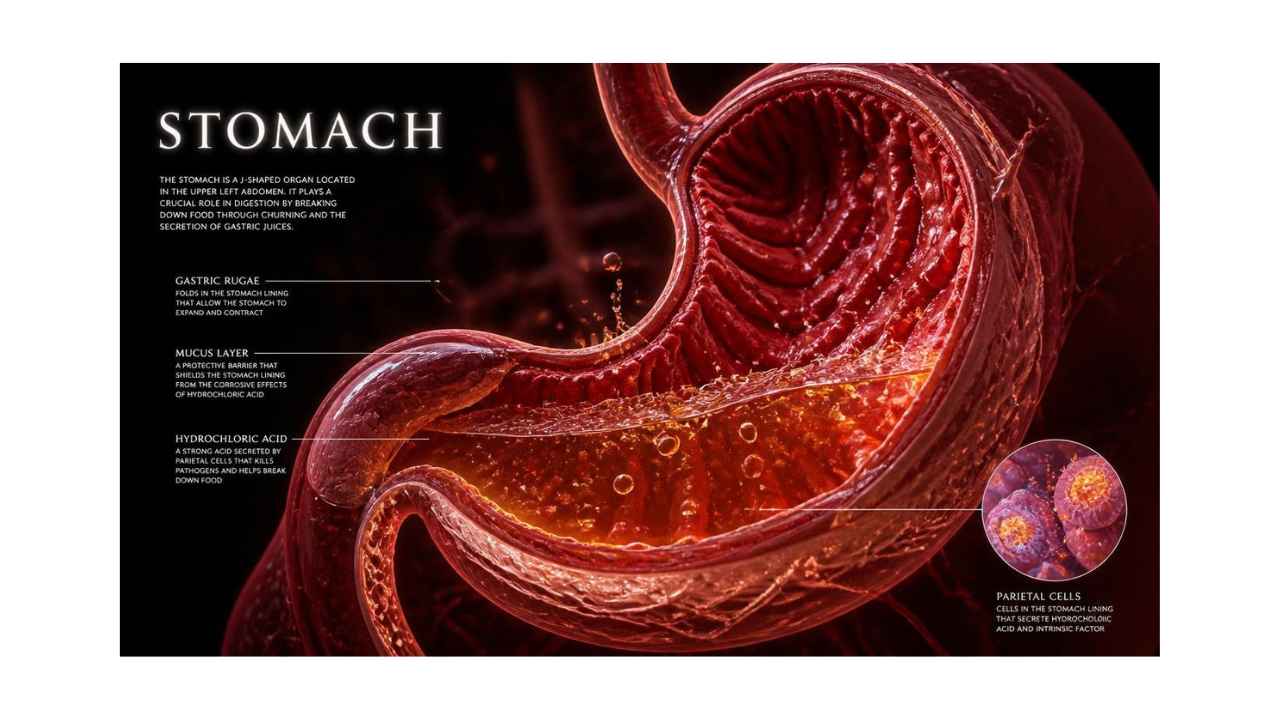
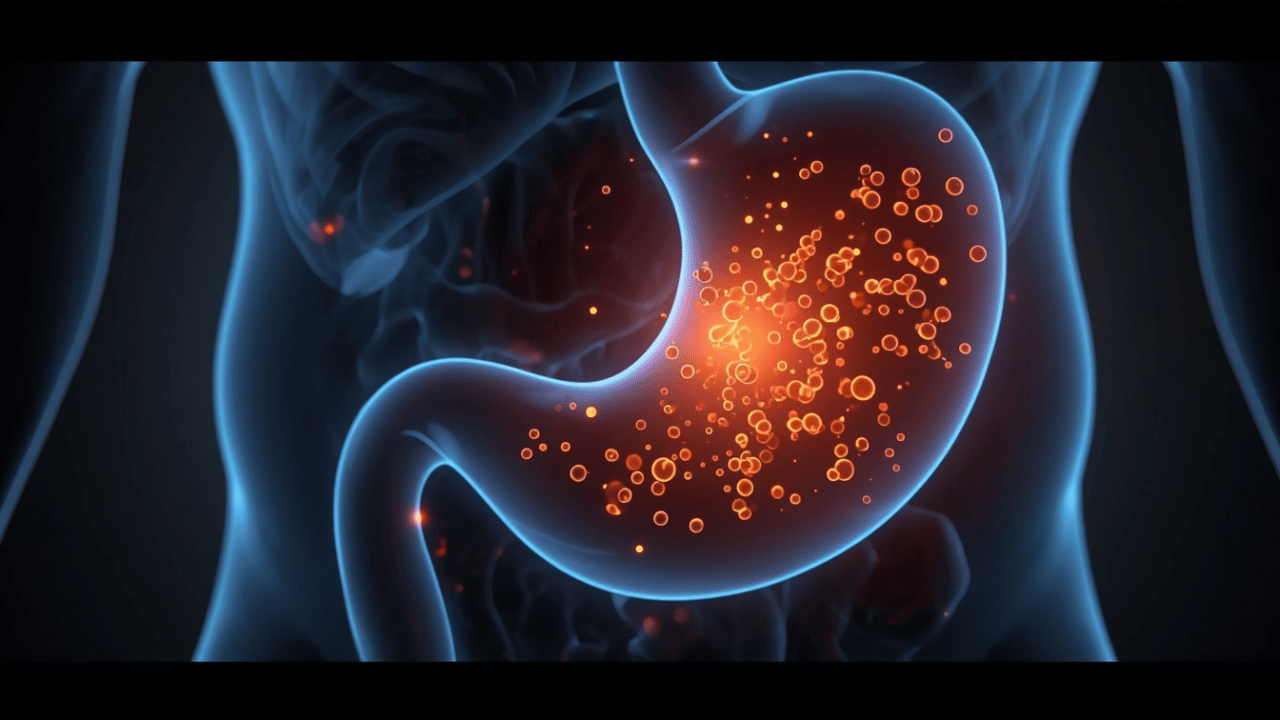
When discussing digestive health, the stomach is often referenced merely as a storage pouch that churns our meals. However, from a clinical physiology perspective, this muscular organ acts as a powerful, highly regulated biochemical reactor. It is uniquely engineered to withstand extreme acidity, convert complex dietary proteins into manageable peptide chains, and shield the rest of the body from invading pathogens.
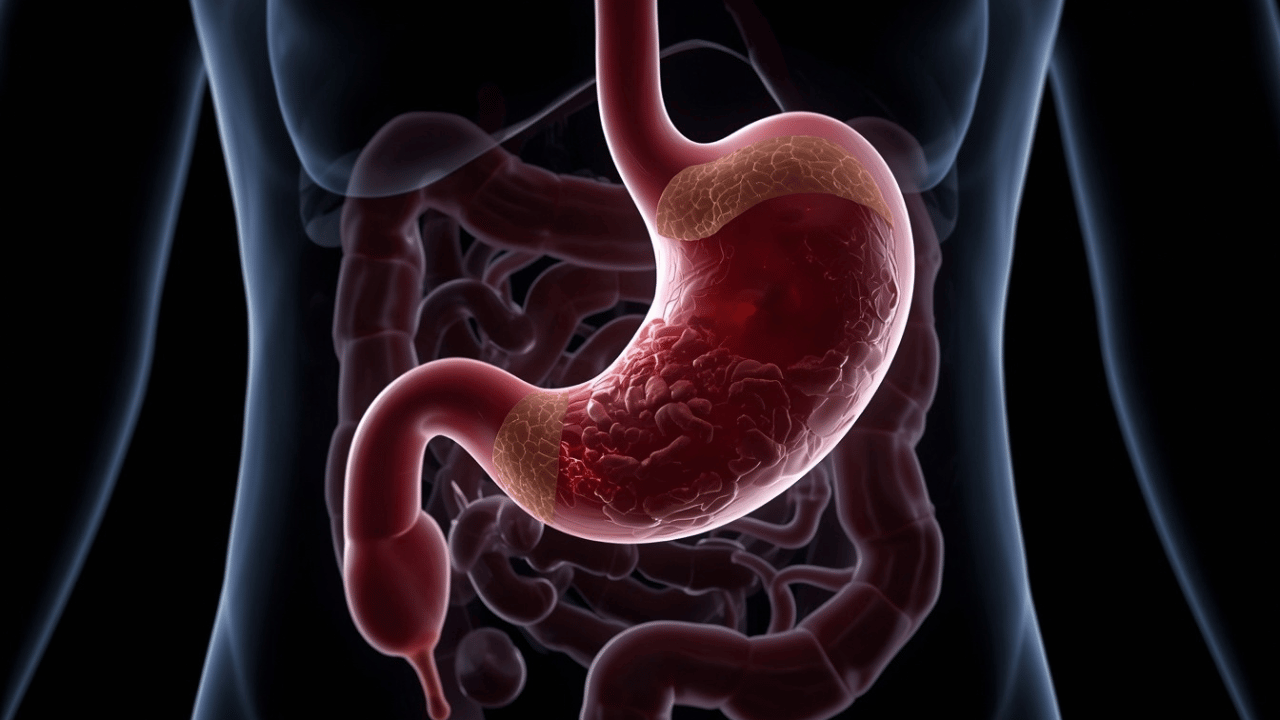 3D anatomical illustration showing the entry of a bolus into the gastric lumen through the lower esophageal sphincter.
To understand how the stomach coordinates this aggressive chemical process without destroying its own tissue, we must examine its specialized cellular architecture and hormonal feedback loops. As outlined in our Complete Clinical Guide to the Human Digestive System, the stomach represents the critical acidification phase of the gastrointestinal continuum, setting the stage for all downstream nutrient absorption.
1. Functional Anatomy: The Four Anatomical Zones and Muscular Architecture
The human stomach is a J-shaped organ situated in the upper left quadrant of the abdominal cavity. Anatomically, it is divided into four functional regions, each possessing distinct cellular populations and physiological roles:
- The Cardia: The narrow transition zone surrounding the lower esophageal sphincter, primarily responsible for secreting alkaline mucus to protect the esophageal mucosa from acid reflux.
- The Fundus: The dome-shaped upper curvature that stores swallowed food and accumulated gases released during mechanical digestion.
- The Body (Corpus): The main, central region comprising the vast majority of the stomach's volume. This is the primary biochemical factory where hydrochloric acid and pepsinogen are actively synthesized.
- The Antrum and Pylorus: The funnel-shaped lower region that mixes food with gastric secretions and regulates the controlled release of chyme into the duodenum through the pyloric sphincter.
Unlike the rest of the gastrointestinal tract, which features two layers of smooth muscle, the stomach wall is built with three distinct layers: an outer longitudinal layer, a middle circular layer, and an inner oblique layer. This unique three-dimensional muscular arrangement enables the stomach to contract, twist, and churn in complex patterns, physically tearing solid food apart while thoroughly saturating it with gastric juices.
The internal surface of an empty stomach is folded into prominent longitudinal ridges known as rugae. These folds provide the stomach with remarkable elasticity, allowing its volume to expand from approximately 50 milliliters when empty to over 1.5 liters after a substantial meal without causing a dangerous rise in intra-gastric pressure.
2. Cellular Secretory Mechanics: Parietal Cells and Hydrochloric Acid Production
Deep within the gastric mucosa lie millions of microscopic invaginations called gastric pits. These pits open into gastric glands, which contain highly specialized epithelial cell lines responsible for creating the stomach's chemical environment:
- Parietal Cells: Located in the middle portion of gastric glands, these cells are among the most energy-demanding structures in the human body. They utilize H+/K+ ATPase pumps (proton pumps) to actively transport hydrogen ions against an immense concentration gradient into the stomach lumen, dropping internal pH down to between 1.5 and 2.5.
- Chief Cells: Positioned deep within the base of the glands, chief cells synthesize and store pepsinogen, an inactive zymogen precursor to the primary protein-cleaving enzyme, pepsin.
- G-Cells: Located mainly in the antral mucosa, these neuroendocrine cells monitor luminal conditions and release the hormone gastrin directly into the bloodstream to stimulate parietal cell activity.
- Mucous Neck Cells: Secrete a specialized, soluble mucus that lubricates the migrating chyme and protects gland structures from enzymatic degradation.
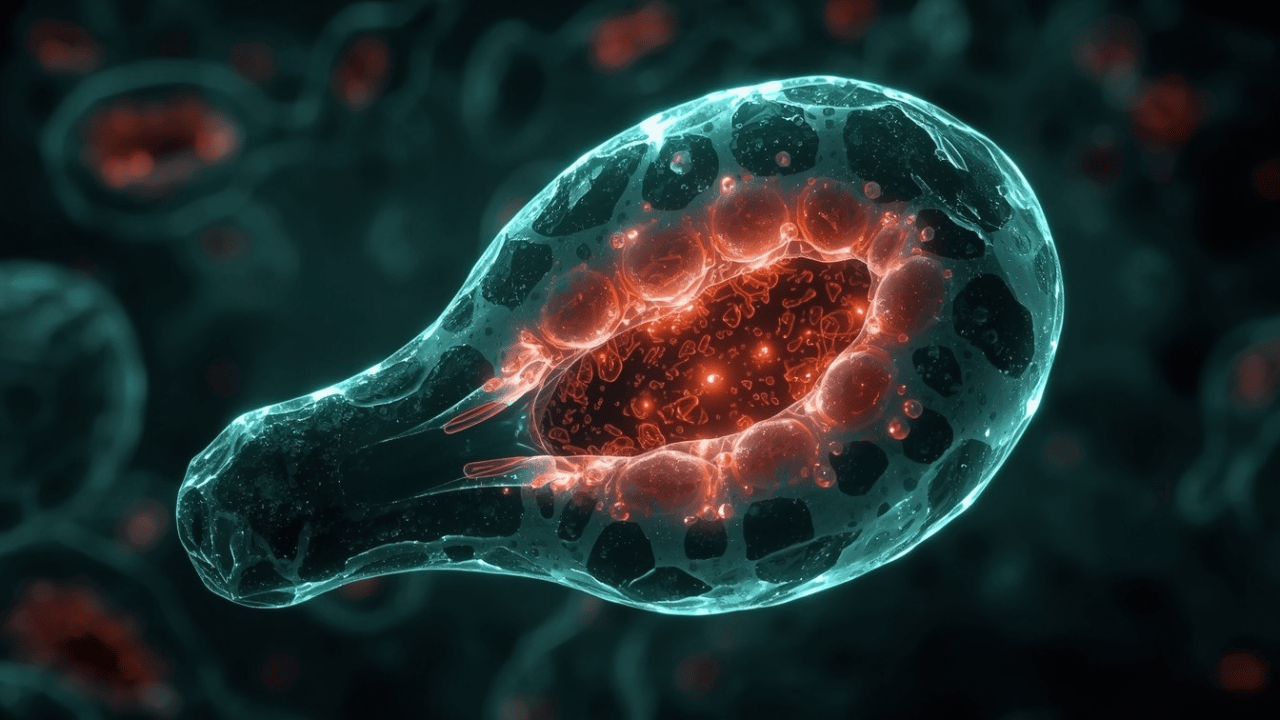 Microscopic clinical 3D rendering of a gastric parietal cell operating its H+/K+ ATPase proton pumps to generate hydrochloric acid.
The production of hydrochloric acid is not continuous at peak levels; it is tightly regulated by three distinct pathways: neural (acetylcholine released via vagal activation), hormonal (gastrin released by G-cells), and paracrine (histamine released by enterochromaffin-like cells). When all three signal molecules bind to their respective receptors on parietal cells, they produce a potent synergistic stimulation that rapidly accelerates acid production.
3. The Biochemistry of Protein Digestion: Pepsin Activation and Pathogen Neutralization
The primary chemical responsibility of the stomach is initiating protein digestion. Dietary proteins arrive in the stomach as tightly folded, complex three-dimensional polypeptide structures. Before digestive enzymes can cleave these molecules, these complex structures must be physically denatured and unfolded.
The intense acidity generated by parietal cells breaks the hydrogen and ionic bonds holding dietary proteins in their folded states. As these proteins unfold, their internal peptide bonds become exposed to solvent action. Simultaneously, the low pH environment triggers an automatic conformational change in pepsinogen: it cleaves a small peptide fragment from itself, transforming into active pepsin.
Pepsin is an endopeptidase that specifically targets and cleaves internal peptide bonds adjacent to aromatic amino acids (such as phenylalanine, tryptophan, and tyrosine). By operating optimal performance at a pH of 1.5 to 2.0, pepsin degrades long polypeptide chains into smaller peptide fragments known as albumoses and peptones.
Beyond protein breakdown, gastric acid provides a vital immunological defense mechanism. The hostile, hyper-acidic environment neutralizes the vast majority of bacteria, viruses, and fungi ingested with food, acting as a chemical sterilization barrier. This step prevents potential pathogens from colonizing the downstream small intestine and large intestine, an essential protective mechanism described in detail in our Complete Clinical Guide to the Human Digestive System.
4. The Gastric Mucosal Barrier: How the Stomach Prevents Autodigestion
Given that hydrochloric acid is powerful enough to dissolve metal and pepsin efficiently digests biological protein tissue, a crucial question arises: why does the stomach not digest itself?
The answer lies in the gastric mucosal barrier, a sophisticated physiological protection system comprising three distinct lines of defense:
- The Pre-Epithelial Barrier: Surface mucous cells continuously secrete a thick, viscoelastic gel layer rich in mucin glycoproteins that covers the entire stomach lining. Simultaneously, these cells secrete bicarbonate ions into the gel matrix, creating a localized alkaline microclimate that maintains a neutral pH of approximately 7.0 right against the cell membranes, neutralizing incoming acid.
- The Epithelial Barrier: Neighboring surface epithelial cells are linked together by highly specialized tight junction proteins. These tight junctions form an impermeable seal that prevents hydrogen ions from leaking backward into the underlying tissue.
- The Sub-Epithelial Barrier: The gastric mucosa features an extensive network of blood capillaries that deliver rich supplies of oxygen, glucose, and bicarbonate while rapidly removing any hydrogen ions that manage to penetrate the epithelial wall.
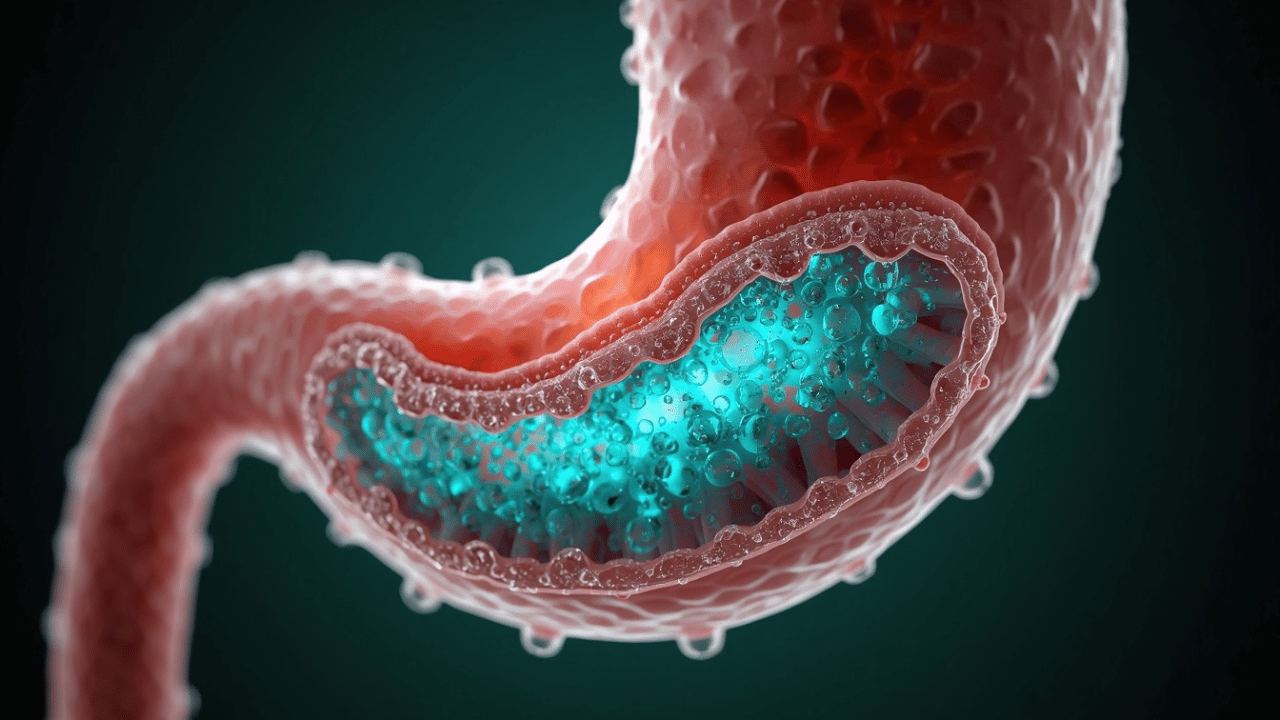 High-magnification 3D cross-section of the gastric mucosal layer, illustrating the protective bicarbonate buffer zone shielding stomach cells from acidic gastric juice.
When factors such as chronic stress, non-steroidal anti-inflammatory drugs (NSAIDs), or Helicobacter pylori infections disrupt this delicate mucosal barrier, hydrogen ions leak back into the mucosal tissue. This localized damage triggers cellular inflammation, tissue erosion, and potentially painful gastric ulcers.
5. Gastric Motility, Pyloric Sieving, and Chyme Formation
While chemical breakdown takes place, the stomach's muscular layers perform continuous mechanical processing. This activity is governed by the basic electrical rhythm (BER) generated by specialized pacemaker cells known as the Interstitial Cells of Cajal, located within the muscularis propria.
These pacemaker cells generate spontaneous slow-wave electrical depolarizations at a frequency of approximately three cycles per minute. When neural and hormonal signals reach threshold levels, these slow waves trigger muscular contractions that begin in the body of the stomach and sweep downward toward the antrum with increasing strength and velocity.
As these peristaltic waves drive food toward the closed pyloric sphincter, the solid material is forcefully squeezed back into the body of the stomach in a process called retropropulsion. This continuous shearing force reduces solid food particles down to microscopic sizes under two millimeters.
 Clinical 3D visual mapping of the pyloric antrum, showing retropropulsion waves converting food into liquid chyme before entering the duodenum.
Once food is transformed into a uniform semiliquid mixture called chyme, small pulses measuring only a few milliliters are permitted to pass through the pyloric sphincter into the duodenum. This controlled emptying rate ensures that the digestive capacity of the small intestine and the neutralizing power of pancreatic secretions are never overwhelmed, as explored in our Complete Clinical Guide to the Human Digestive System.
Conclusion: The Stomach as the Master Biochemical Gateway
The human stomach is far more than a passive reservoir; it is a master biochemical gateway that dictates the efficiency of the entire digestive cascade. Through the coordinated action of parietal cells, chief cells, and specialized muscular walls, it sterilizes ingested material, denatures complex proteins, and regulates the entry of nutrients into downstream intestinal segments.
When stomach acid levels drop (hypochlorhydria) or mucosal defenses fail, the downstream consequences manifest across multiple physiological systems—resulting in incomplete protein digestion, small intestinal bacterial overgrowth (SIBO), and systemic nutrient deficiencies. Maintaining optimal gastric acid dynamics and protecting the mucosal barrier are fundamental steps in preserving long-term metabolic health.
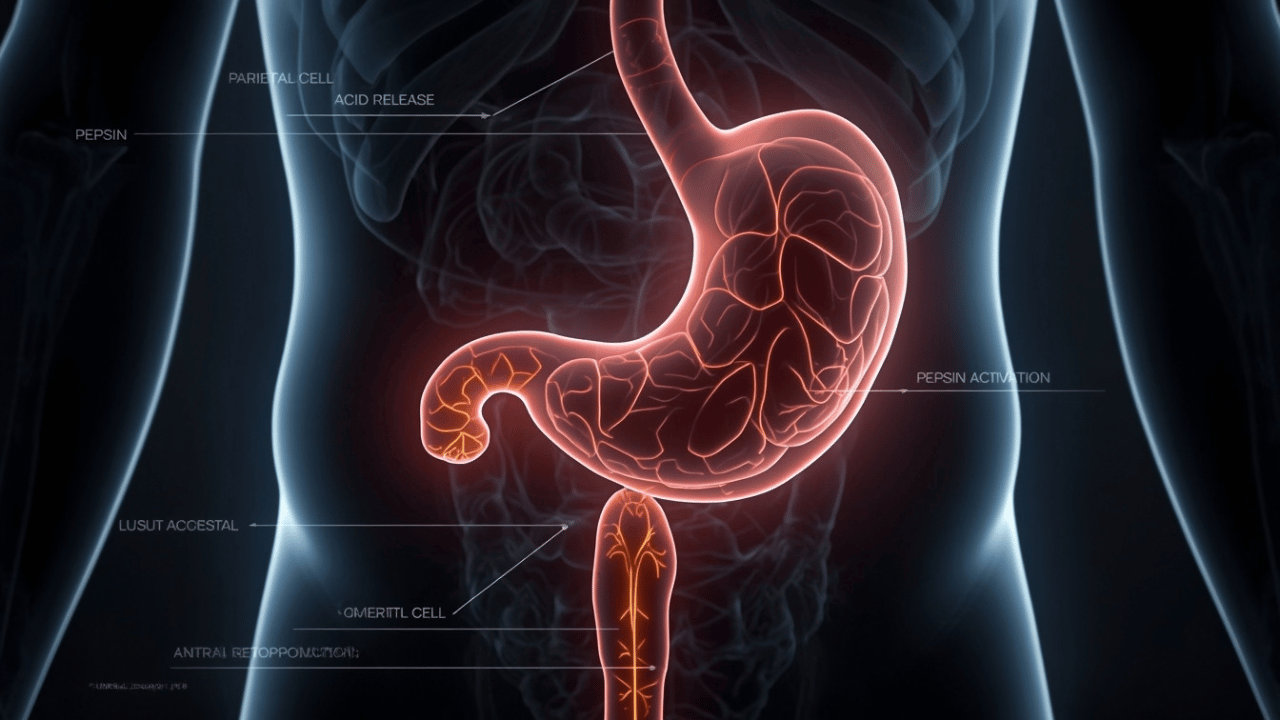
Clinical 3D schematic diagram summarizing the 4 core functions of the stomach: acidification, protein cleavage, mechanical grinding, and mucosal protection.
💡 Key Takeaways: Stomach Physiology at a Glance
- Tri-Layered Musculature: The stomach utilizes three smooth muscle layers (longitudinal, circular, oblique) to physically grind solid food into liquid chyme via retropropulsion.
- Aggressive Acidification: Parietal cells utilize proton pumps to drop gastric pH down to 1.5–2.5, denaturing complex protein structures and sterilizing ingested food.
- Zymogen Activation: Inactive pepsinogen secreted by chief cells automatically transforms into active pepsin upon contact with gastric acid to begin cleaving peptide bonds.
- Triple-Layer Mucosal Shield: A layer of bicarbonate-rich mucus, cellular tight junctions, and rapid blood flow prevent hydrochloric acid from digesting the stomach wall.
- Regulated Pyloric Exit: The pyloric sphincter opens in small, controlled pulses to ensure the small intestine receives chyme at a rate it can safely neutralize and absorb.
Frequently Asked Questions (FAQ)
1. What is the primary role of the stomach in digestion?
The stomach's primary roles are storing ingested food, initiating chemical protein digestion via hydrochloric acid and pepsin, physically grinding food into semiliquid chyme, and sterilizing ingested material to eliminate pathogens.
2. How does gastric acid assist in protein breakdown?
Hydrochloric acid does not directly cut proteins; instead, it denatures their complex 3D structures, unfolding the amino acid chains so that enzymes like pepsin can access and cleave their peptide bonds.
3. What triggers the release of stomach acid?
Gastric acid production is stimulated by three main signal molecules: acetylcholine (from vagal nerve stimulation), gastrin (from G-cells in the antrum), and histamine (from enterochromaffin-like cells in gastric glands).
4. What causes heartburn or acid reflux?
Heartburn occurs when the lower esophageal sphincter relaxes inappropriately, allowing acidic gastric contents to rise into the esophagus, where tissue lacks the protective bicarbonate-mucus barrier found in the stomach.
5. Can a person digest food without a stomach?
Yes, individuals who undergo a total gastrectomy can still digest food. The esophagus is connected directly to the small intestine, where pancreatic enzymes and bile complete chemical breakdown. However, meals must be very small, and Vitamin B12 supplementation is required due to the loss of intrinsic factor.
6. What is hypochlorhydria and why is it problematic?
Hypochlorhydria is a condition characterized by abnormally low production of stomach acid. It impairs protein digestion, reduces the absorption of key minerals like iron and calcium, and increases vulnerability to gastrointestinal infections and bacterial overgrowth.
7. How does the stomach produce Intrinsic Factor?
Intrinsic factor is a specialized glycoprotein synthesized and secreted by parietal cells alongside hydrochloric acid. It binds to Vitamin B12 in the gastric lumen, protecting it until it reaches the terminal ileum for active absorption.
8. What is retropropulsion?
Retropropulsion is a mechanical grinding process in the stomach antrum. Muscular waves push chyme against the closed pyloric sphincter, forcing it to spray backward into the stomach body to physically break solid particles down below two millimeters in size.
9. How do medications like Proton Pump Inhibitors (PPIs) work?
Proton Pump Inhibitors work by irreversibly blocking the H+/K+ ATPase enzyme pumps in parietal cells. This significantly suppresses hydrogen ion transport, raising gastric pH to relieve acid-related mucosal damage and ulcers.
10. Why doesn't pepsin digest the chief cells that produce it?
Chief cells produce pepsin as an inactive precursor called pepsinogen. Pepsinogen has no enzymatic activity until it exits the cell and encounters the highly acidic environment of the stomach lumen, where low pH cleaves its protective peptide shield.
11. What is the function of gastric rugae?
Gastric rugae are prominent mucosal folds along the inner wall of an empty stomach. They allow the stomach to stretch and expand its surface area when food enters, accommodating large meal volumes without increasing internal gastric pressure.
12. What role do Interstitial Cells of Cajal play in the stomach?
Interstitial Cells of Cajal act as the pacemaker cells of the gastrointestinal tract. In the stomach, they produce spontaneous slow-wave electrical potentials that establish a basic rhythm of approximately three peristaltic contractions per minute.
13. How does Helicobacter pylori survive in the highly acidic stomach?
Helicobacter pylori survives in the acidic gastric lumen by producing large amounts of the enzyme urease. Urease converts urea into ammonia and carbon dioxide, creating a localized alkaline cloud that neutralizes stomach acid around the bacterium.
14. What is the cephalic phase of gastric secretion?
The cephalic phase is the initial phase of stomach secretion that occurs before food enters the stomach. Thinking about, smelling, seeing, or tasting food triggers central nervous system signals via the vagus nerve to begin acid and pepsinogen secretion in preparation for a meal.
15. How long does food typically remain in the stomach?
Food generally stays in the stomach for 2 to 4 hours, depending on meal composition. Simple carbohydrates empty the fastest, followed by proteins, while high-fat meals slow gastric emptying significantly to allow for downstream lipid processing.
keep reading
Gut Health & Supplements
DigestiStart Review: Can This Herbal Formula Help Restore Digestive Health & Relieve Bloating?
Gut Health & Supplements
The Ultimate Guide to GERD: Causes, Symptoms & Natural Relief
Gut Health & Supplements