
The Hidden Brain: Why 90% of Your Mind's Signals Actually Come From Your Gut
Discover how the Enteric Nervous System and vagus nerve dictate mental focus, anxiety, and fatigue, and how sealing your gut barrier restores brain clarity.
disclosure This article contains affiliate links. Purchases may earn us a commission at no extra cost to you. We only recommend products we've reviewed.
The Hidden Brain: Why 90% of Your Mind's Signals Actually Come From Your Gut
Have you ever experienced a sudden, unexplainable episode of brain fog right after a meal? Or perhaps you have noticed a persistent, underlying sense of anxiety and fatigue that no amount of clean sleeping, stress management, or synthetic caffeine seems to clear. For decades, mainstream medical literature treated the human gastrointestinal tract as a purely mechanical processing unit—a biological tube designed exclusively to dissolve food, absorb basic macronutrients, and excrete waste.
Modern neuro-gastroenterology has completely dismantled this primitive view.
Embedded within the tissue layers of your digestive tract sits a complex, highly autonomous neural network containing more than 500 million neurons. Known in advanced clinical science as the enteric nervous system (ENS)—or human biology’s "second brain"—this intricate network governs far more than muscle peristalsis and acid secretion.
More importantly, modern neurology has uncovered a paradigm-shifting biological fact: up to 90% of the nerve fibers within the vagus nerve carry information upward FROM your gut TO your primary brain—not the other way around.
When the microscopic lining of your gastrointestinal tract suffers from chronic inflammation, cellular erosion, and breakdown, your second brain does not suffer in silence. It transmits a continuous, high-volume cascade of neuro-inflammatory threat signals straight into your central nervous system. Understanding this hidden neural connection is the absolute key to reclaiming your cognitive baseline, emotional stability, and physical energy.
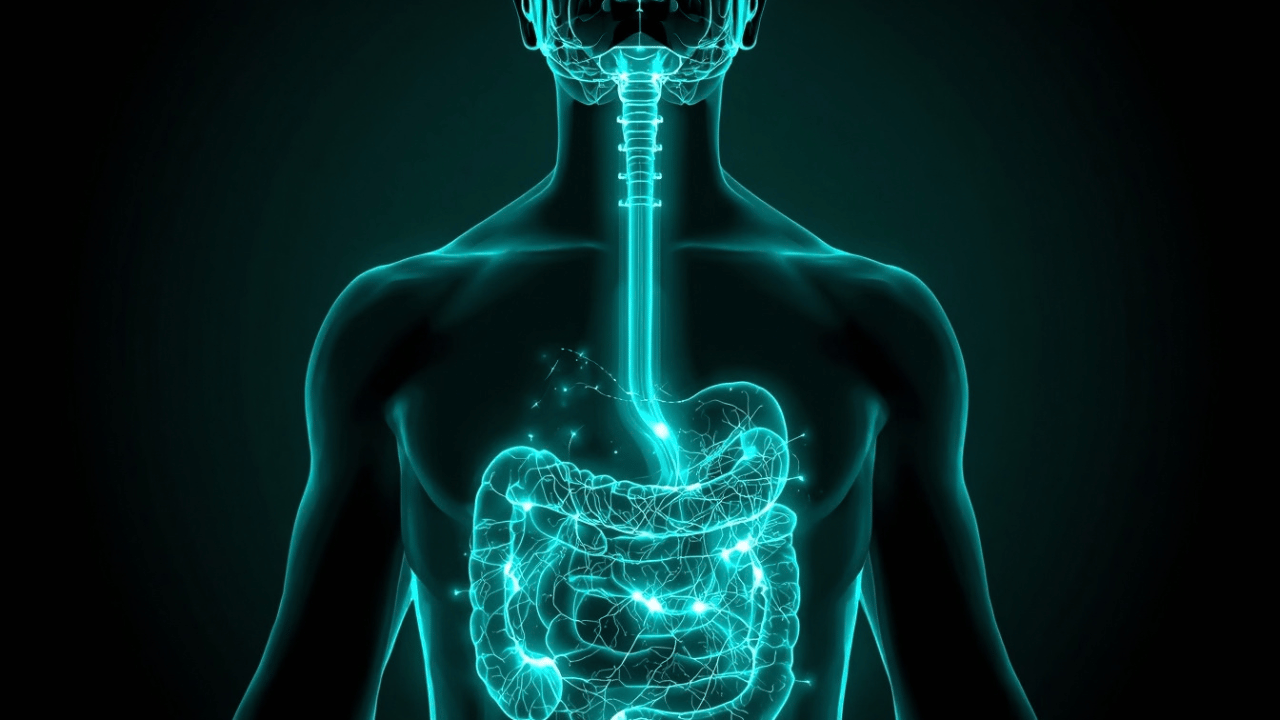
Conceptual clinical 3D visualization illustrating the 90% upward neural signal transmission along the vagus nerve, sending neuro-chemical data directly from the enteric nervous system to the primary brain.
Anatomy of the Second Brain: The 500 Million Neuron Network
To understand how your digestive health dictates your daily cognitive output, one must examine the internal architecture of the gastrointestinal nervous system.
The enteric nervous system is not merely an extension of the spinal cord or a passive recipient of brain signals. It is an independent neurological command center capable of processing information, executing complex reflex arcs, and synthesizing neuro-chemicals without any input from the central nervous system.
Anatomically, the enteric nervous system is organized into two primary interconnected neuronal layers embedded directly inside the walls of the gut:
- The Myenteric Plexus (Auerbach's Plexus): Situated between the inner circular and outer longitudinal muscle layers, this dense neural network regulates gastrointestinal motility, rhythm, and physical movement across the entire tract.
- The Submucosal Plexus (Meissner's Plexus): Embedded deeper within the submucosal tissue layer, this network continuously senses the chemical environment, regulates localized blood flow, manages fluid transport, and controls the delicate mucosal barrier.
Together, these two layers contain an astounding enteric nervous system neurons count of approximately 500 million. This makes the gut’s neural capacity significantly larger than that of the entire spinal cord or peripheral nervous system.
Because of this anatomical setup, your second brain operates as an advanced intelligence center. Every single second, it monitors the chemical composition of your food, evaluates microbial populations, measures inflammatory markers, and translates these biological inputs into electrical and chemical communications sent straight to your brain's limbic system.
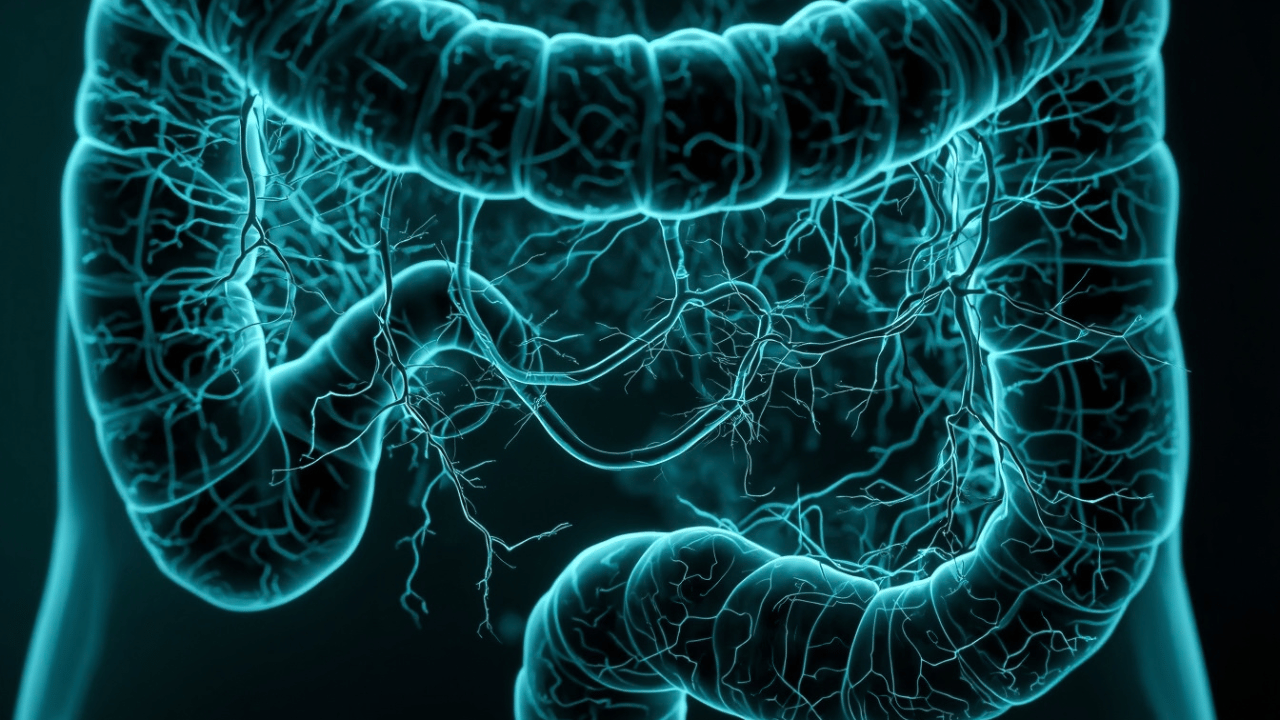 Ultra-macro anatomical cross-section of the intestinal wall, highlighting the myenteric and submucosal neural plexuses within the enteric nervous system.
The Vagus Nerve Highway: How Intestinal Permeability Triggers Brain Fog
The primary bi-directional communication channel connecting your two brains is the vagus nerve (cranial nerve X).
When your intestinal environment is healthy, the vagus nerve maintains optimal parasympathetic tone. It signals safety to the brain, slowing down resting heart rate, lowering systemic cortisol, and encouraging deep, restorative focus. However, when vagus nerve dysfunction symptoms begin to manifest—such as mental sluggishness, rapid mood shifts, or unexplainable physical exhaustion—the underlying catalyst is almost always localized structural damage within the intestinal epithelium.
The Chain Reaction of Intestinal Neuro-Inflammation
The mechanism connecting gut degradation to cognitive decline follows a precise clinical progression:
- Tight Junction Degradation: Environmental toxins, processed diets, chronic stress, and microbial imbalance destroy the delicate tight junction proteins (zonulin and occludin) that bind your intestinal epithelial cells together.
- Endotoxin Translocation: Once these microscopic cellular seals fail, inflammatory bacterial fragments known as lipopolysaccharides (LPS) breach the intestinal barrier and leak directly into systemic blood circulation—a condition clinically recognized as Leaky Gut Syndrome.
- Vagal Distress Signaling: Enteric neurons residing in the submucosal plexus detect these circulating endotoxins and inflammatory cytokines (TNF-alpha, Interleukin-6). In response, they fire immediate, high-frequency emergency signals up the vagus nerve.
- Microglia Activation in the Brain: These vagal warning signals travel up to the brainstem and cross into the central brain, where they activate microglia—the brain's resident immune cells. Activated microglia trigger localized, low-grade neuro-inflammation across the prefrontal cortex, the precise region responsible for executive functioning, short-term memory, emotional regulation, and deep concentration.
This process explains why trying to cure chronic brain fog or midday mental fatigue with synthetic caffeine, energy drinks, or surface-level nootropics is fundamentally flawed. If your enteric nervous system is submerged in toxic endotoxins, your primary brain will remain trapped in a perpetual state of biological alarm.
Neurotransmitters in the Gut: The Biochemical Factory
In addition to sending direct electrical impulses up the vagus nerve, your digestive system operates as your body’s largest biochemical and endocrine factory. The overwhelming majority of the chemical messengers that dictate your daily mood, sleep quality, drive, and focus are manufactured inside the gut mucosa:
- 95% of Body Serotonin: The vast majority of your body's serotonin—the crucial neurotransmitter responsible for regulating mood, emotional balance, anxiety thresholds, and sleep cycles—is synthesized inside the gut by enterochromaffin cells working alongside beneficial microbial colonies.
- 50% of Body Dopamine: Half of your systemic dopamine, which controls motivation, focus, reward processing, and physical drive, is manufactured within gastrointestinal tissue.
When chronic intestinal inflammation destroys the mucosal barrier where these specialized cells reside, your body's capacity to produce balanced serotonin and dopamine drops precipitously. The physical result is not just localized abdominal bloating or digestive discomfort; it is a profound biological crash characterized by emotional burnout, heightened stress sensitivity, and chronic mental lethargy.
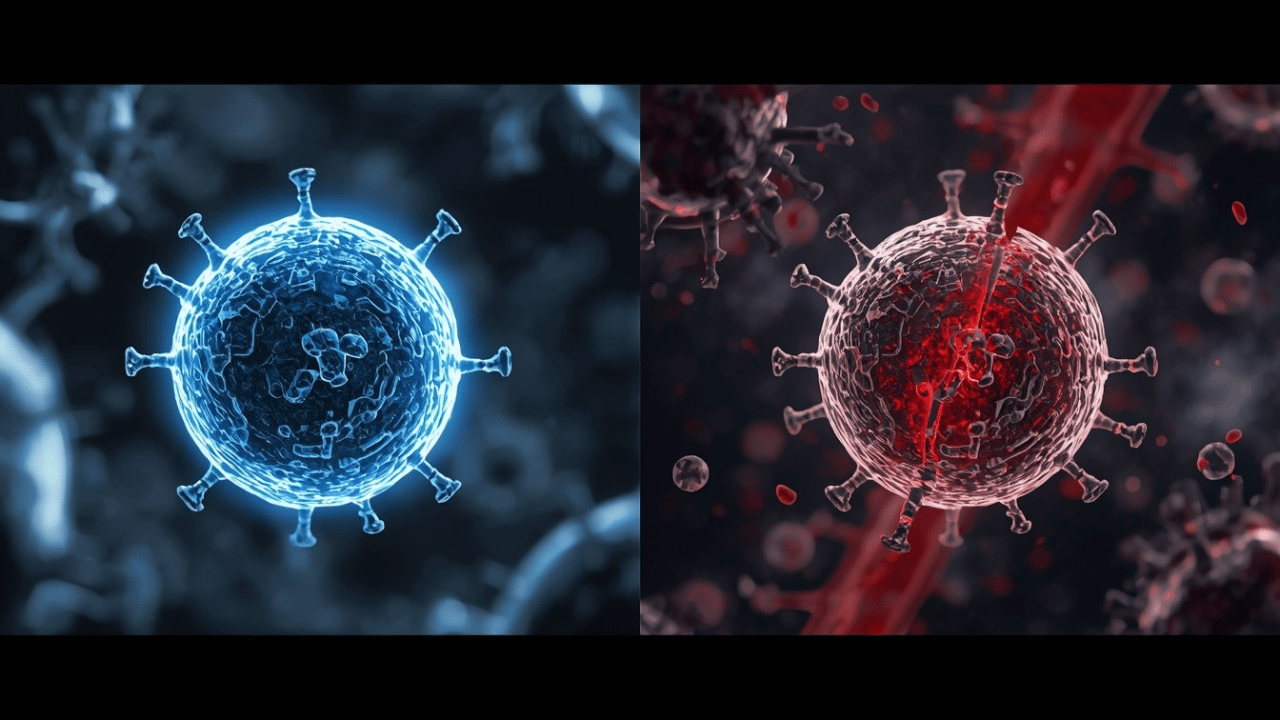 Clinical 3D comparative analysis showing tightly sealed intestinal epithelial cells protected by a cyan bio-shield (left) versus compromised tight junctions allowing red inflammatory lipopolysaccharide (LPS) endotoxins to breach into systemic blood circulation (right).
How to Support Your Enteric Nervous System & Restore Gut Barrier Integrity
Restoring optimal cognitive baseline performance, emotional resilience, and physical vitality requires a dual-action clinical approach targeted directly at the root cause: calming vagal distress signals and re-establishing the physical integrity of the intestinal epithelial barrier.
1. Calming Vagal Inflammatory Signals
To reduce the constant stream of emergency signals traveling up to the brain, you must active parasympathetic pathways. Learning how to stimulate vagus nerve activity through controlled deep diaphragmatic breathing, cold-water facial immersion, and removing inflammatory dietary triggers can temporarily lower vagal alarm state. However, true long-term relief requires eliminating the source of the alarm itself.
2. Rebuilding the Microscopic Intestinal Shield
No amount of mental exercises or temporary vagus nerve stimulation at home will fix cognitive fatigue if your intestinal lining remains porous. Permanent recovery demands sealing the microscopic gap junctions between your epithelial cells. This requires clinical-grade barrier restoratives, specialized postbiotic metabolites such as butyrate, and targeted bio-available compounds engineered to repair mucosal tissue at the cellular level.
The Swiss Clinical Protocol: Digest Flow
Attempting to resolve complex gut-brain dysfunction with low-dose, generic health store supplements is ineffective. Restoring a compromised enteric nervous system demands a targeted, root-cause clinical formula engineered to precise standards.
Digest Flow was developed specifically to repair the biochemical and structural breakdown between your two brains.
By delivering high-purity postbiotics, mucosal barrier restoratives, and targeted tissue-sealing nutrients directly to the gastrointestinal lining, Digest Flow works at the cellular level to:
- Seal Microscopic Tight Junctions: Reinforce cellular gap junctions, halting the leakage of lipopolysaccharides (LPS) and endotoxins into systemic circulation.
- Soothe Enteric Neurons: Reduce localized mucosal inflammation, allowing the submucosal and myenteric plexuses to return to resting baseline.
- Optimize Vagal Signaling: Clear neuro-inflammatory pathways along the vagus nerve, restoring sharp mental focus, sustained physical drive, and emotional resilience.
Stop treating chronic cognitive fatigue and anxiety as isolated mental issues. Seal your intestinal barrier, soothe your second brain, and reclaim your natural mental clarity from within.
👉 Discover the Digest Flow Clinical Protocol & Rebuild Your Gut-Brain Barrier Today
Frequently Asked Questions (Clinical FAQ)
1. What is the enteric nervous system (ENS)?
The enteric nervous system is an autonomous network of over 500 million neurons embedded throughout the tissue walls of the gastrointestinal tract. It regulates digestion, mucosal health, localized blood flow, and sends vital neuro-chemical signals directly to the primary brain.
2. Why is the gut called human biology’s "second brain"?
It is called the second brain because it contains a complex neural architecture capable of operating independently from the central nervous system, producing the exact same neurotransmitters (like serotonin and dopamine) and driving complex reflexes without brain input.
3. How does the enteric nervous system communicate with the brain?
The primary communication link is the vagus nerve (cranial nerve X). Approximately 90% of the signals traveling through this neural highway move upward from the gut to the brain, informing the brain about inflammation, microbial health, and chemical safety.
4. What is the connection between a "leaky gut" and brain fog?
When tight junctions in the intestinal lining break down, bacterial endotoxins (LPS) breach the barrier and enter the bloodstream. Enteric neurons detect these toxins and send emergency distress signals up the vagus nerve, triggering microglial activation and low-grade inflammation in the brain’s prefrontal cortex.
5. Can intestinal inflammation cause feelings of anxiety and fatigue?
Yes. Over 90% of serotonin and 50% of dopamine are manufactured in the gut. When the intestinal lining is inflamed or damaged, neurotransmitter synthesis is disrupted while inflammatory cytokines flood the bloodstream, directly causing mood instability and fatigue.
6. What are the symptoms of vagus nerve dysfunction related to gut health?
Common symptoms include chronic midday brain fog, sudden energy drops after eating, heightened anxiety sensitivity, poor digestive motility, slow stomach emptying, and persistent feelings of mental burnout.
7. How many neurons are in the human gut?
The human enteric nervous system contains approximately 500 million neurons, which is significantly more than the number of neurons found in the human spinal cord.
8. What is the difference between the myenteric plexus and submucosal plexus?
The myenteric plexus (Auerbach's plexus) lies between muscle layers and controls gastrointestinal motility and movement. The submucosal plexus (Meissner's plexus) resides deeper in the mucosal tissue, regulating chemical sensing, fluid transport, and barrier integrity.
9. What are lipopolysaccharides (LPS) and why are they dangerous?
Lipopolysaccharides are toxic bacterial fragments present in the gut. When the gut barrier is healthy, LPS stays safely inside the digestive tract. When the barrier leaks, LPS enters the bloodstream, triggering systemic inflammation and brain microglia activation.
10. Can taking stimulants like coffee cure gut-induced brain fog?
No. Stimulants merely mask cognitive fatigue by artificially elevating stress hormones like adrenaline. They do not fix the underlying neuro-inflammation caused by endotoxins leaking through a compromised gut barrier.
11. How can I practice vagus nerve stimulation at home?
You can temporarily stimulate parasympathetic vagal tone at home using deep diaphragmatic breathing techniques, cold-water facial exposure, gargling, and singing. However, resolving vagal distress long-term requires repairing the inflamed gut barrier.
12. What role do postbiotics play in protecting the enteric nervous system?
Postbiotics, such as the short-chain fatty acid butyrate, serve as the primary fuel source for intestinal epithelial cells. They actively nourish the gut mucosa, reinforce tight junction seals, and calm localized enteric nerve inflammation.
13. How long does it take to repair the intestinal barrier and clear brain fog?
Cellular repair of the intestinal epithelium typically begins within days of initiating a targeted protocol, with noticeable improvements in mental clarity, energy levels, and digestive comfort usually emerging within 2 to 4 weeks of consistent barrier repair support.
14. Why aren't standard multivitamins enough to restore mental focus?
Synthetic multivitamins do not repair physical breakdown in the cellular lining of the gut. If your tight junctions are compromised, your body cannot properly absorb micronutrients, and your nervous system remains in a state of chronic inflammatory alarm.
15. How does Digest Flow help restore the gut-brain axis?
Digest Flow provides clinical-grade postbiotics, mucosal restoratives, and barrier-sealing nutrients engineered to repair porous tight junctions, soothe overstimulated enteric neurons, and restore clear, balanced neuro-chemical communication up the vagus nerve.
keep reading
Gut Health & Supplements
DigestiStart Review: Can This Herbal Formula Help Restore Digestive Health & Relieve Bloating?
Gut Health & Supplements
The Ultimate Guide to GERD: Causes, Symptoms & Natural Relief
Gut Health & Supplements