Why Severe Bloating Spikes After 40: The Hidden Connection Between Hormone Drops, Enzyme Decline, and Gut Fermentation
Experiencing extreme bloating or feeling pregnant after 40? Discover how perimenopause hormone shifts, low stomach acid, and sluggish enzymes cause fermentation.
disclosure This article contains affiliate links. Purchases may earn us a commission at no extra cost to you. We only recommend products we've reviewed.
Why Severe Bloating Spikes After 40: The Hidden Connection Between Hormone Drops, Enzyme Decline, and Gut Fermentation
For millions of men and women entering their fourth decade, mealtime gradually transforms from a source of nourishment into a primary trigger for severe physical discomfort. Food choices that once caused no issues—such as crisp salads, lean grass-fed beef, or complex starches—suddenly lead to intense upper abdominal tightness, persistent burping, and extreme post-meal distension.
Many women during perimenopause report feeling so severely distended after eating that they describe looking several months pregnant by early evening. When these individuals seek guidance, they are frequently told to simply eat more fiber, swallow high-potency probiotics, or cut back on healthy foods. Yet, these standard recommendations often fail or make the bloating worse.
The underlying issue is rarely a lack of intestinal bacteria. Instead, severe abdominal bloating after age 40 is driven by a predictable physiological shift: the simultaneous decline in pancreatic enzyme output, reduced stomach acid production, sluggish bile synthesis, and fluctuating sex hormones. Understanding how these biological mechanisms intersect is the first step toward clearing trapped gas and restoring effortless digestion.
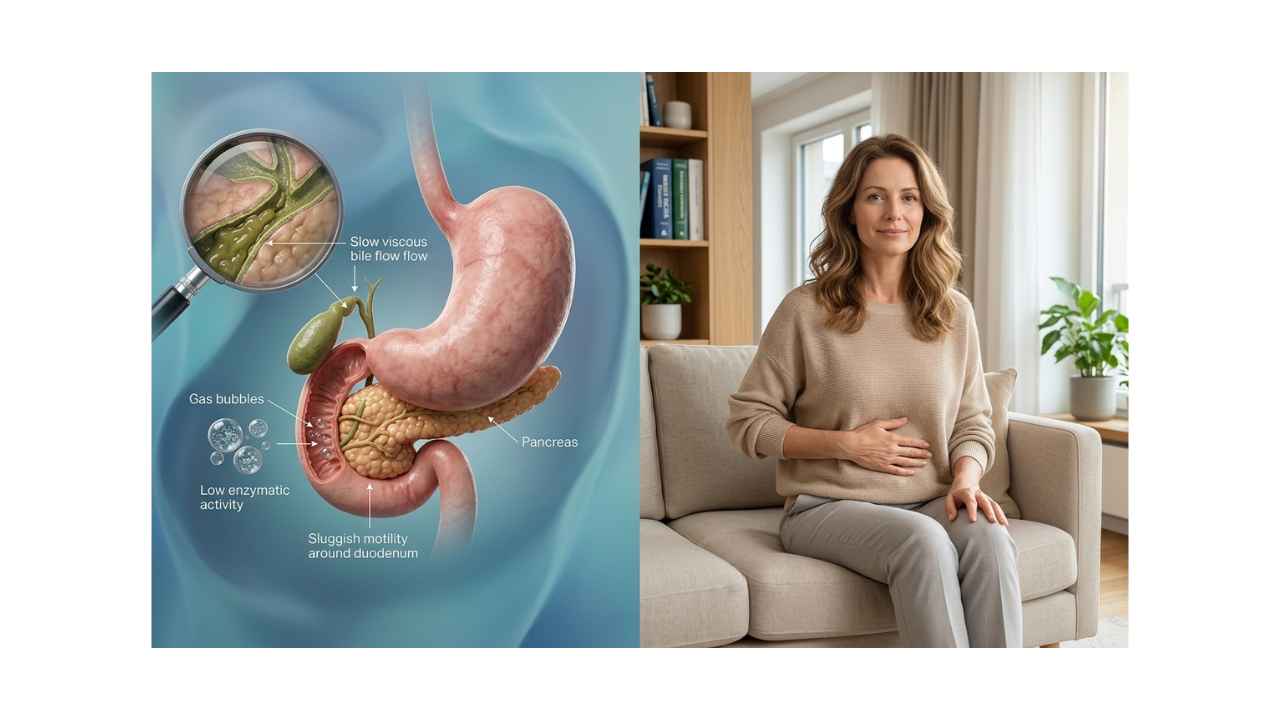
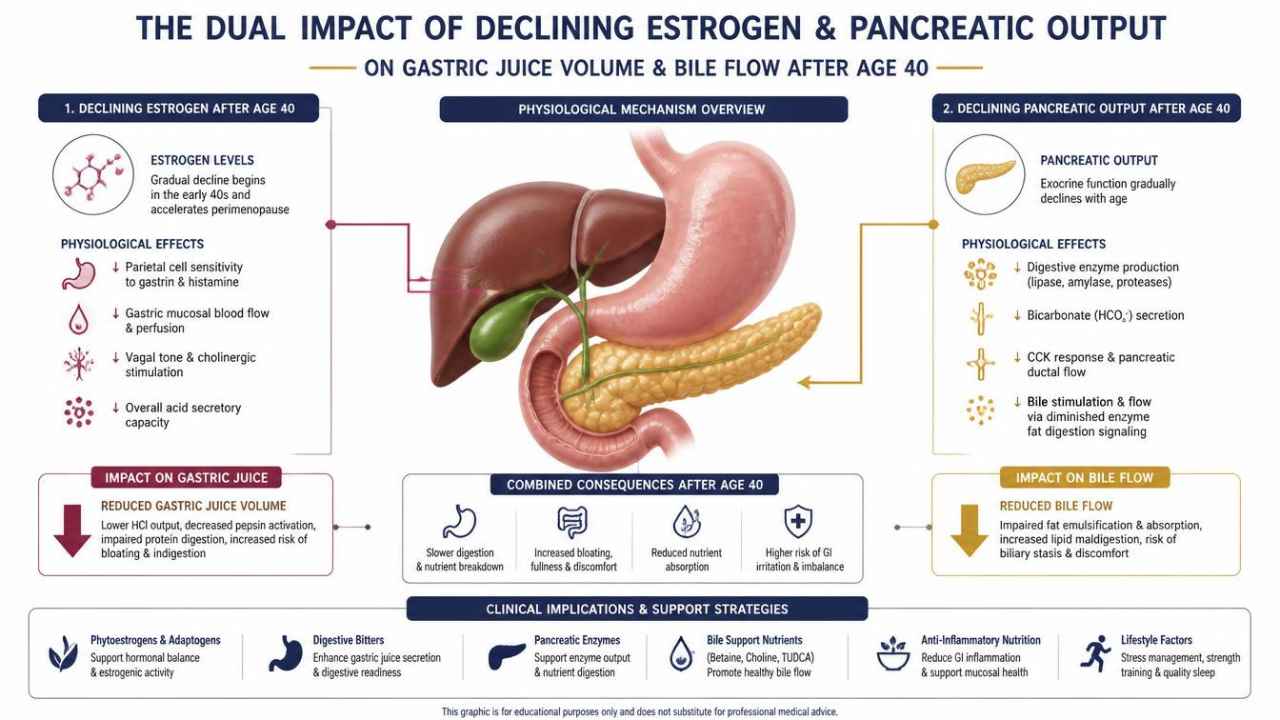 Figure 1: Medical editorial split image contrasting age-related digestive enzyme decline with a woman finding relief from bloating.
1. The Physiological Shift After 40: Hormones, Acid, and Enzymes
Digestion is a highly orchestrated chemical process that relies on precise neural, endocrine, and enzymatic signals. As the body ages, several physiological systems experience a natural decline in output:
- Estrogen Fluctuations and Motility: Estrogen receptors are distributed throughout the gastrointestinal tract. During perimenopause, sharp drops and spikes in estrogen disrupt smooth muscle contractions, leading to delayed gastric emptying and sluggish intestinal transit.
- Exocrine Pancreatic Decline: The pancreas naturally reduces its secretion of key digestive enzymes—lipase, amylase, and protease. Without adequate enzyme concentrations, complex food molecules pass into the gut intact, leading to sluggish bile flow and pancreatic lipase deficiency.
- Gastric Acid Suppression: Hydrochloric acid (HCl) production in the stomach naturally drops with age. Low HCl fails to properly activate pepsin, leaves stomach pH insufficiently acidic, and hinders the chemical signals that trigger bile and pancreatic juice release.
When food arrives in a stomach with low acid and insufficient enzymes, it cannot be broken down efficiently. The food bolus remains stagnant in the warm, moist environment of the upper GI tract, creating the ideal setting for rapid microbial fermentation.
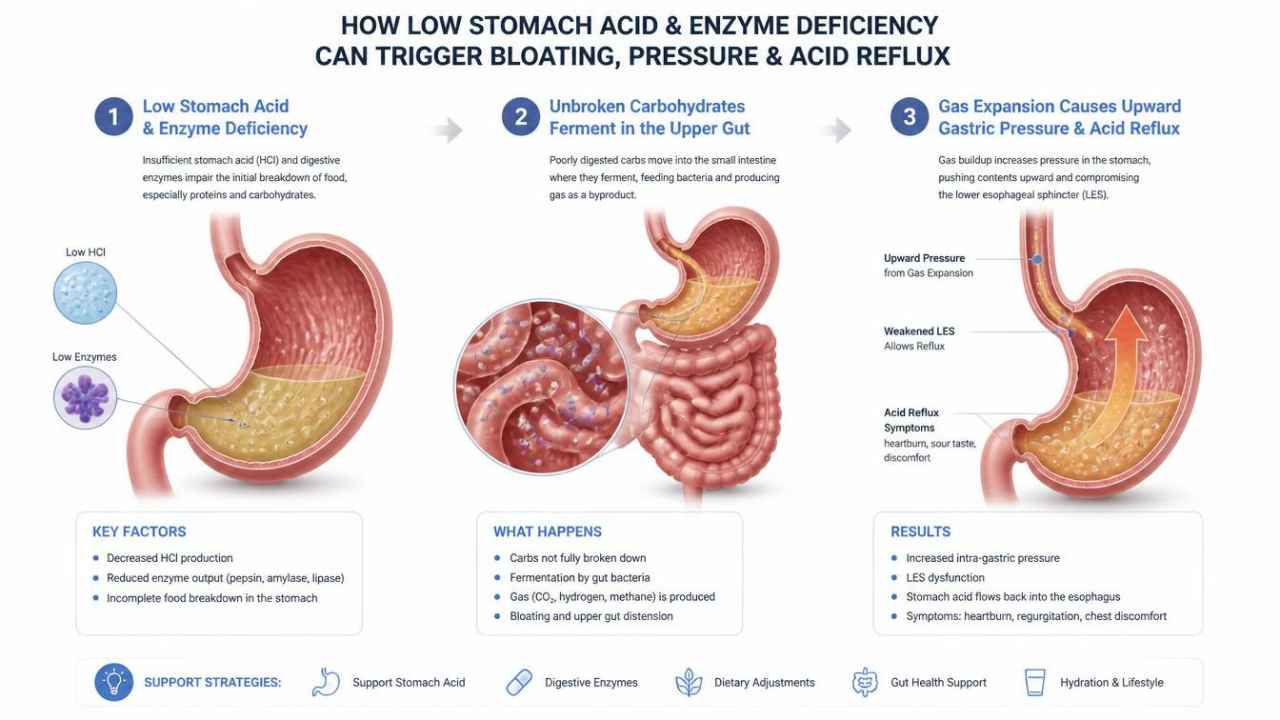
Figure 2: Clinical diagram showing how estrogen fluctuations and age reduce digestive enzyme production and gastric acid.
2. From Undigested Substrates to Gas: The Fermentation Cascade
When macronutrients are not hydrolyzed high up in the digestive sequence, opportunistic bacteria step in to feed on the remaining substrates:
- Carbohydrate Fermentation: Complex starches and sugars that remain unbroken become an immediate feast for microbes residing in the upper small intestine. As these bacteria metabolize unabsorbed starches, they release substantial volumes of hydrogen and carbon dioxide gas, causing severe upper belly distension.
- Lipid Stagnation and Fat Bloat: Bile acids from the liver emulsify dietary fats so that pancreatic lipase can break them down. When bile becomes sluggish or concentrated, dietary fats sit un-emulsified in the stomach, delaying gastric emptying and creating an intense, heavy feeling under the ribcage.
- Protein Putrefaction: Large protein chains that fail to be cleaved by proteases pass into lower gut segments, where putrefactive bacteria ferment them into sulfur-rich, foul-smelling gases and toxic byproducts.
This buildup of trapped fermentation gas expands the stomach walls, putting upward pressure on the lower esophageal sphincter (LES) and causing acid reflux, heartburn, or persistent burping.
3. SIBO, Acid Reflux, and the "Perimenopause Belly"
A common consequence of low stomach acid and slow motility after age 40 is the development of Small Intestinal Bacterial Overgrowth (SIBO).
Normally, strong stomach acid and continuous sweeping muscular contractions (the Migrating Motor Complex) keep the small intestine relatively sterile. However, when gastric secretions drop and transit slows:
- Bacteria from the colon migrate upward into the small intestine.
- Every meal feeds these misplaced bacteria, generating rapid gas expansion within 30 to 60 minutes of eating. This explains why adding live bacterial strains through probiotics can exacerbate upper gut fermentation when undigested food is present.
- The increased intra-abdominal pressure pushes stomach acid upward into the esophagus, leading to GERD symptoms that stem from gas pressure rather than excess acid.
This entire sequence explains why taking acid-blocking medications or high-dose probiotic supplements often worsens bloating after age 40. Probiotics add more bacteria to an environment loaded with undigested food, while acid blockers further suppress the body's primary digestive trigger.
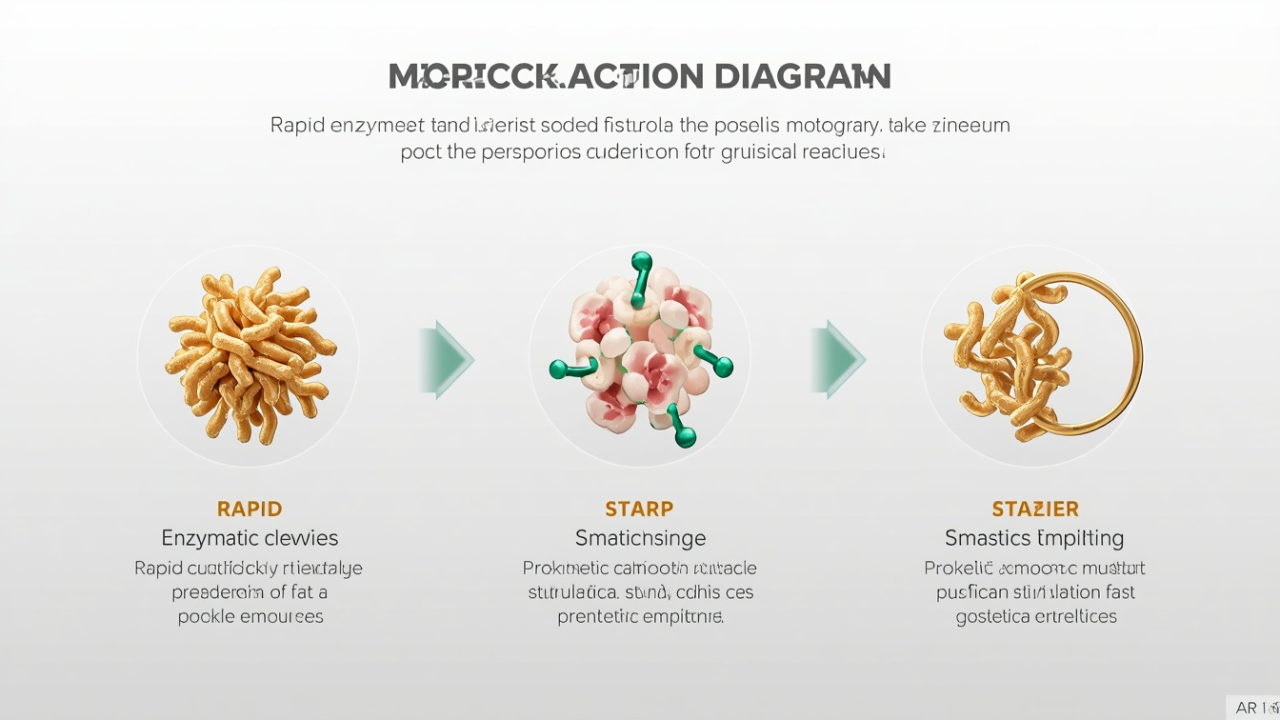
Figure 3: Medical illustration showing undigested food substrates fermenting in the small intestine, leading to upper abdominal pressure.
4. How Supplemental Enzymes Break the Cycle
To stop upper abdominal gas at its source, the body requires immediate catalytic support to hydrolyze nutrients before bacteria can ferment them.
- Fungal and Plant-Derived Enzymes: Unlike traditional animal pancreatin, microbial and plant-sourced enzymes remain active across a broad pH spectrum (from pH 2.0 to 8.0). They begin pre-digesting starches, proteins, and fats in the upper stomach within minutes of ingestion.
- High-Potency Lipase for Fat Clearance: Supplemental lipase accelerates the breakdown of dietary lipids, resolving issues associated with impaired fat emulsification and enzymatic clearance that cause post-meal heaviness and right-quadrant pressure.
- Targeted Fiber Cleavage: Enzymes such as cellulase and hemicellulase break down tough plant cell walls, allowing individuals to enjoy nutrient-dense vegetables without triggering painful intestinal gas.
By thoroughly hydrolyzing food in the stomach and upper duodenum, supplemental enzymes starve opportunistic bacteria of their fermentation fuel, keeping the upper belly flat and comfortable.
5. Combining Enzymes with Botanical Prokinetics for Complete Relief
While enzymes supply the necessary chemical catalysts, mechanical transit must also be restored to ensure that digestive waste moves smoothly through the tract.
Botanical prokinetics work synergistically with digestive enzymes:
- Ginger Root Extract (Gingerols & Shogaols): Stimulates gastric antral contractions, speeding up the rate at which the stomach empties its contents into the small intestine.
- Artichoke Leaf Extract (Cynaropicrin): Encourages healthy bile flow from the liver and gallbladder while coordinating smooth muscle rhythm across the intestinal walls.
When high-potency digestive enzymes are combined with natural prokinetic botanicals in a dedicated dual-action biocatalyst and prokinetic formula, the digestive system receives a complete reset: enzymes eliminate the fermentation substrate, while prokinetics sweep the intestinal tract clean.
Frequently Asked Questions (FAQ)
1. Why did my bloating get so much worse after turning 40?
After 40, natural drops in stomach acid, pancreatic enzyme synthesis, and fluctuating sex hormones slow down gut motility and nutrient breakdown, leading to rapid food fermentation.
2. Can perimenopause cause severe bloating that makes me look pregnant?
Yes. Estrogen fluctuations slow intestinal transit times and weaken smooth muscle tone, causing gas to collect in the stomach and small intestine, leading to prominent visible distension.
3. Why do probiotics make my bloating worse instead of better?
If you have undigested food sitting in your upper gut or subclinical SIBO, adding billions of live probiotic bacteria supplies more organisms to ferment those trapped substrates, increasing gas production.
4. How can low stomach acid cause acid reflux and heartburn?
Low stomach acid fails to break down food efficiently, causing trapped gas and fermentation pressure that physically pushes the stomach contents upward against the lower esophageal sphincter.
5. What is the difference between digestive enzymes and prokinetics?
Digestive enzymes chemically break down proteins, fats, and carbohydrates into absorbable nutrients. Prokinetics stimulate the physical muscular contractions that move food smoothly through the digestive tract.
6. Do digestive enzyme supplements stop my body from making its own enzymes?
No. Supplemental enzymes work locally within the digestive tract to process ingested food and do not suppress your pancreas or inhibit natural hormone signaling pathways.
7. Can SIBO cause both weight gain and severe bloating?
Yes. SIBO creates chronic low-grade inflammation, disrupts metabolic signaling, and causes severe intra-abdominal gas buildup that leads to both weight retention and visible belly distension.
8. Why do healthy foods like salads and vegetables cause so much gas?
Raw vegetables contain complex plant fibers (cellulose) that human cells cannot break down natively. Without sufficient cellulase enzymes, these fibers undergo aggressive bacterial fermentation.
9. How quickly do digestive enzymes work for post-meal bloating?
Digestive enzymes act immediately on the specific meal with which they are taken, usually preventing post-meal heaviness and gas expansion within 30 to 60 minutes.
10. What enzymes are most critical for fat-induced bloating?
High-potency Lipase is essential, as it breaks down dietary triglycerides into fatty acids and glycerol, preventing delayed gastric emptying and upper right quadrant discomfort.
11. Should I take digestive enzymes before, during, or after meals?
For maximum efficacy, take digestive enzymes with your very first bite of food so they can thoroughly mix with the food bolus in the stomach fundus.
12. How does artichoke leaf extract help with bile flow and bloating?
Artichoke leaf extract contains cynaropicrin, which stimulates choleresis (bile secretion) from the liver, aiding in fat emulsification and encouraging intestinal peristalsis.
13. Can low estrogen levels directly affect gut motility?
Yes. Estrogen receptors in the enteric nervous system help regulate smooth muscle contractions; reduced estrogen levels frequently result in sluggish transit and chronic constipation.
14. Are plant and fungal enzymes better than animal-derived pancreatin?
Fungal and plant-derived enzymes operate effectively across a wider pH range (pH 2.0 to 8.0), enabling them to begin breaking down food immediately in the acidic stomach environment.
15. How do I know if my bloating comes from enzyme deficiency or colonic dysbiosis?
Bloating that occurs within 30 to 90 minutes after eating in the upper stomach usually points to enzyme deficiency and slow gastric emptying. Bloating that develops hours later in the lower abdomen typically involves colonic dysbiosis.
Reclaim Your Digestive Comfort, Motility, and Vitality
You do not have to accept chronic post-meal heaviness, erratic transit, or painful age-related bloating as an inevitable part of getting older. By restoring key biological catalysts and supporting your body's natural neuromuscular motility, you can enjoy your favorite foods without fear of uncomfortable gas expansion.
Taking a comprehensive, dual-action formula designed to assist both chemical digestion and physical gut motility helps restore lasting lightness and daily regularity. Formulated with targeted digestive enzymes and potent prokinetic botanical extracts, DigestiStart provides complete support to keep your stomach feeling flat, comfortable, and energized after every meal.
Recommended Articles
keep reading
Gut Health & Supplements
DigestiStart Review: Can This Herbal Formula Help Restore Digestive Health & Relieve Bloating?
Gut Health & Supplements
The Ultimate Guide to GERD: Causes, Symptoms & Natural Relief
Gut Health & Supplements