
Berberine for Weight Loss: AMPK Activation, Natural GLP-1 & Metabolic Science
Discover how berberine for weight loss works. Learn the cellular science behind AMPK activation, natural GLP-1 release, blood sugar balance, and proper dosage.

disclosure This article contains affiliate links. Purchases may earn us a commission at no extra cost to you. We only recommend products we've reviewed.
Berberine for Weight Loss: AMPK Activation, Natural GLP-1 & Metabolic Science
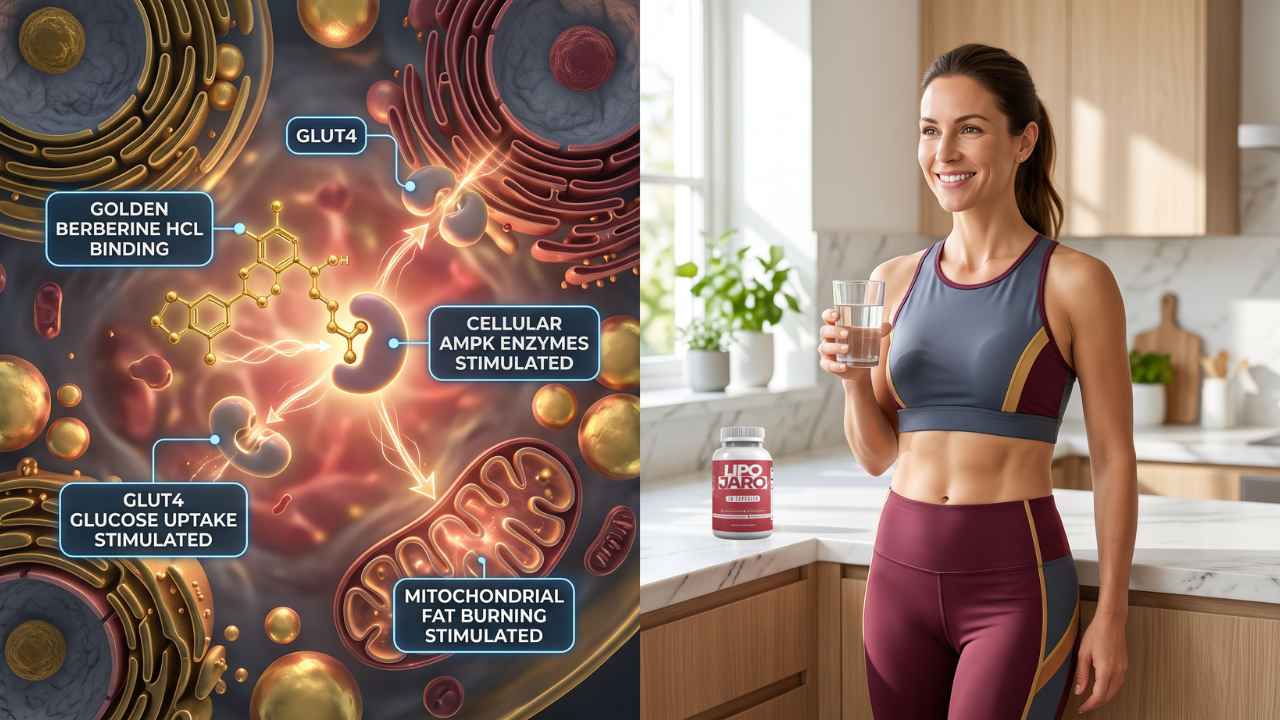
Figure 1: Berberine HCL activates the cellular AMPK enzyme pathway, promoting GLUT4 glucose clearance and mitochondrial fat oxidation to support natural metabolic balance and satiety signaling.
For years, dietary supplements promised metabolic improvements through synthetic stimulants, high-dose caffeine, and harsh thermogenic compounds that stressed the adrenal system. Modern metabolic medicine and botanical pharmacology have shifted focus toward targeting cellular energy sensors and hormonal satiety signaling directly at the gut-liver axis.
At the forefront of this natural metabolic revolution is berberine, a bioactive isoquinoline alkaloid extracted from plants such as Berberis aristata (Tree Turmeric) and Hydrastis canadensis (Goldenseal). Often dubbed "nature's metabolic switch," clinical research demonstrates that berberine operates via pathways similar to pharmaceutical insulin sensitizers—activating cellular enzymes, enhancing gut-derived GLP-1, and restoring glycemic stability without adrenal burnout.
What Is Berberine and How Does It Regulate Cellular Metabolism?
Berberine is a vibrant yellow alkaloid with a rich history in Ayurvedic and Traditional Chinese Medicine. While historically utilized for its antimicrobial properties in the digestive tract, modern molecular biology has identified its primary systemic role: the activation of AMPK (Adenosine Monophosphate-Activated Protein Kinase).
AMPK acts as the central energy sensor inside every human cell. When cellular energy drops, AMPK activates a series of biological cascades that:
- Upregulate GLUT4 glucose transporters, pulling sugar from the bloodstream into skeletal muscle cells without requiring excess insulin.
- Inhibit hepatic gluconeogenesis, stopping the liver from pumping surplus glucose into the blood overnight.
- Stimulate mitochondrial biogenesis and promote fatty acid oxidation (lipid burning) over fat storage.
- Suppress lipogenesis, downregulating enzymes responsible for creating new visceral fat cells.
The Dual Action: Berberine, AMPK Activation & Endogenous GLP-1
Unlike pharmaceutical compounds that force external hormone surges, berberine influences metabolism through two complementary internal pathways:
1. Cellular Enzyme Switch (The AMPK Pathway)
When berberine enters cells, it subtly influences mitochondrial complex I. This safe, temporary shift increases the cellular AMP/ATP ratio, triggering the master metabolic sensor AMPK. Once active, AMPK directs the body to burn available glucose and fatty acids immediately rather than storing them in adipose tissue.
2. Microbial Stimulation of Intestinal L-Cells (The GLP-1 Pathway)
Berberine modulates the gastrointestinal microbiome by favoring beneficial species that produce short-chain fatty acids (SCFAs). These SCFAs stimulate intestinal L-cells to synthesize and secrete endogenous GLP-1 (Glucagon-Like Peptide-1). This gut-derived incretin hormone naturally delays gastric clearance and signals the brain to reduce post-meal cravings.
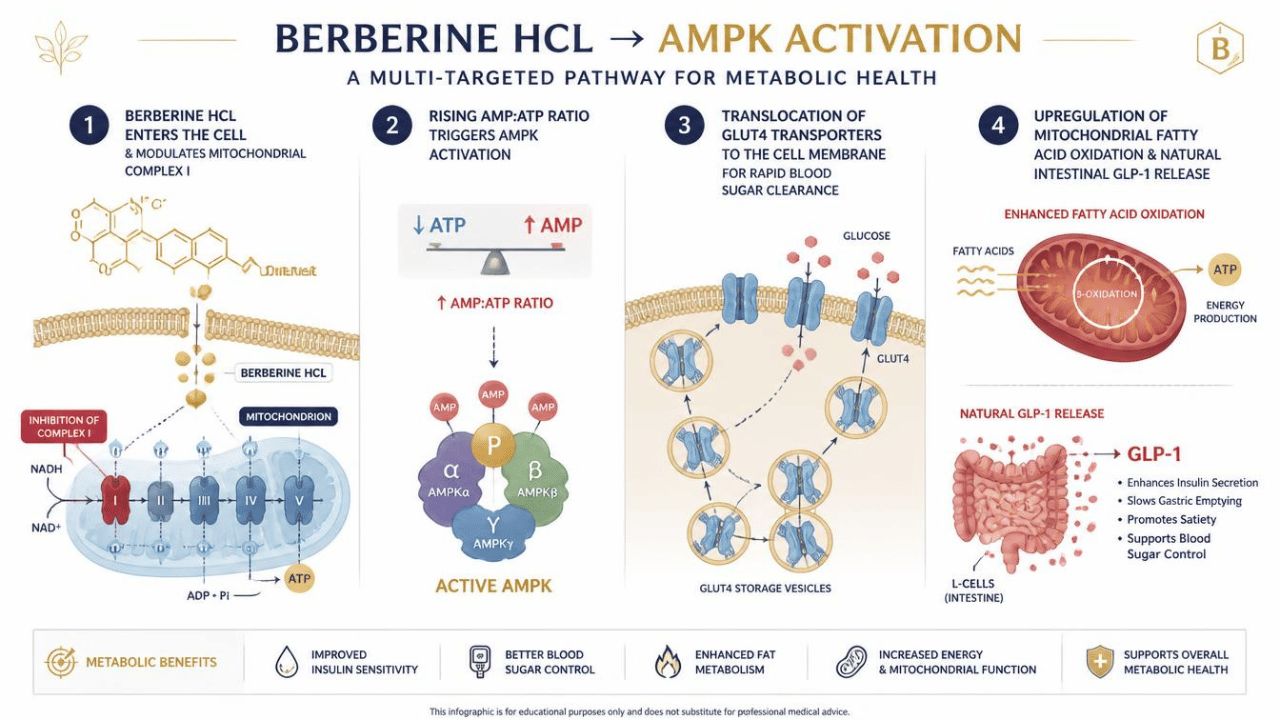
Figure 2: Step-by-step molecular pathway of Berberine HCL modulating mitochondrial complex I, increasing the AMP/ATP ratio to trigger AMPK activation, GLUT4 glucose translocation, and intestinal GLP-1 hormone release.
Berberine vs. Conventional Metabolic Interventions
To understand where berberine fits into modern health protocols, it is essential to compare its physiological profile against traditional pharmaceutical and stimulant options:
Primary Cellular Target
- Conventional Stimulants: Stimulates central nervous system beta-receptors, artificially spiking heart rate and cortisol.
- Pharmaceutical Metformin: Targets liver mitochondrial pathways and AMPK.
- Berberine Formula: Activates cellular AMPK while concurrently stimulating gut mucosal GLP-1 secretion and remodeling the microbiome.
Impact on Gut Barrier & Microbiome
- Conventional Stimulants: Depletes mucosal flora and often worsens intestinal permeability.
- Pharmaceutical Metformin: Can induce chronic digestive irritation without directly restoring tight junction integrity.
- Berberine Formula: Suppresses inflammatory pathogens, enriches beneficial species, and works synergistically with mucosal protectors like Akkermansia muciniphila.
Adrenal & Cardiovascular Profile
- Conventional Stimulants: High risk of jitters, tachycardia, insomnia, and rebound metabolic crashes.
- Pharmaceutical Metformin: Non-stimulant; requires medical oversight for lactic acidosis risk.
- Berberine Formula: 100% stimulant-free; supports cardiovascular health and lipid clearance without elevated heart rates.
Long-Term Metabolic Sustainability
- Conventional Stimulants: Low; leads to receptor desensitization and rapid weight rebound.
- Pharmaceutical Metformin: Moderate; dependent on continuous pharmaceutical administration.
- Berberine Formula: High; cultivates long-term insulin sensitivity and sustained microbiome balance.
Synergistic Combinations: Why Berberine Works Best with Ceylon Cinnamon & Prebiotics
On its own, standard raw berberine exhibits low oral bioavailability because intestinal P-glycoprotein pumps actively export it back into the gut lumen. Modern clinical formulations overcome this through strategic nutrient synergy:
Berberine HCL + Ceylon Cinnamon (Cinnamomum verum)
Ceylon Cinnamon contains water-soluble polyphenol polymers that mimic insulin, directly phosphorylating insulin receptors. Combining high-potency Berberine HCL with genuine Ceylon Cinnamon creates a multi-pathway glucose sink, shuttling carbohydrates into muscle glycogen stores and blunting post-prandial insulin surges.
Prebiotic & Probiotic Pairing
When combined with targeted probiotic strains and viscous fibers like Glucomannan, berberine's residence time in the lower intestine increases. Comprehensive clinical reviews, such as our evaluation of advanced microbiome and metabolic formulas, highlight how pairing berberine with mucosal defenders yields superior glycemic control compared to isolated single-herb extracts.
For detailed insights on the specific bacterial strains that complement this process, refer to our guide on Akkermansia benefits and natural satiety signaling.
Best Practices, Optimal Timing & Side Effect Management
When to Take Berberine for Maximum Efficacy
To maximize its impact on carbohydrate metabolism, the ideal timing for berberine supplementation is 20 to 30 minutes before your largest, carbohydrate-containing meals. This ensures active circulating concentrations coincide with nutrient absorption in the small intestine.
Navigating Early Digestive Shifts
Because berberine exerts natural antimicrobial and microbial-balancing actions in the digestive tract, a small subset of users may experience temporary shifts in digestive transit, mild abdominal rumbling, or stool changes during the first 5 to 7 days. These transient adjustments parallel the physiological adaptations that occur during upper digestive and gastric resets.
Furthermore, individuals navigating stress-related metabolic stalls can learn more in our guides on stress-induced gut motility freezes and managing evening abdominal distension patterns.
Summary of Berberine for Weight Loss
- Berberine is a potent plant alkaloid that activates cellular AMPK, functioning as a biological master switch for glucose clearance and lipid oxidation.
- It stimulates endogenous intestinal GLP-1 secretion, enhancing fullness and curbing cravings without synthetic pharmaceutical side effects.
- Combining Berberine HCL with Ceylon Cinnamon maximizes insulin receptor sensitivity and prevents post-meal glucose spikes.
- A multi-target approach integrating berberine with mucosal-supporting probiotics offers a sustainable, stimulant-free solution for metabolic balance and fat management.
Frequently Asked Questions (FAQ)
1. What is berberine and where does it come from?
Berberine is a natural bioactive alkaloid found in several plants, including European barberry (Berberis vulgaris), Goldenseal (Hydrastis canadensis), and Tree Turmeric (Berberis aristata).
2. How does berberine help with weight loss?
It activates the cellular enzyme AMPK, which increases glucose uptake into muscles, improves insulin sensitivity, inhibits fat storage enzymes, and stimulates natural gut GLP-1 hormone release.
3. What is AMPK and why is it called the "metabolic switch"?
AMPK (AMP-activated protein kinase) is an enzyme that senses cellular energy levels. When activated by berberine, it switches cells from energy storage mode (fat creation) to energy burning mode (fat oxidation and glucose utilization).
4. Does berberine act like GLP-1?
Yes. Berberine encourages the growth of beneficial gut bacteria that produce short-chain fatty acids, which in turn stimulate enteroendocrine L-cells to release natural, endogenous GLP-1 into the bloodstream.
5. What is the difference between Berberine and Metformin?
While both activate the AMPK pathway and improve insulin sensitivity, Metformin is a synthetic pharmaceutical drug, whereas berberine is a plant-derived botanical compound that also directly benefits gut microbiome diversity.
6. Why is Ceylon Cinnamon combined with Berberine?
Ceylon Cinnamon (Cinnamomum verum) contains bioactive polyphenols that enhance insulin signaling and glucose transport, creating a powerful synergistic effect when combined with Berberine HCL.
7. When is the best time to take berberine?
The most effective time is 20 to 30 minutes before your two main meals of the day, allowing the compound to assist with post-meal glucose disposal and insulin management.
8. What is the standard recommended dosage for berberine?
Most clinical trials evaluate doses between 500 mg and 1,500 mg per day, typically divided into two or three 500 mg servings taken before meals.
9. Does berberine cause jitters or heart palpitations?
No. Berberine is completely non-stimulant and does not affect the central nervous system or elevate heart rate, making it safe for individuals sensitive to caffeine.
10. What are the common side effects of berberine?
During the first week, some users may experience mild gastrointestinal adjustments, such as abdominal cramping, gas, or soft stools, as the gut microbiome adjusts to its natural antimicrobial effects.
11. Can berberine cause low blood sugar (hypoglycemia)?
In healthy individuals, berberine rarely causes hypoglycemia because it enhances cellular insulin sensitivity rather than forcing artificial insulin spikes. However, those on prescription diabetes medications should consult their physician.
12. How long does it take to see results from berberine?
Improvements in blood sugar stability, energy levels, and reduced sugar cravings often appear within 2 to 4 weeks. Measurable changes in visceral fat and body composition typically emerge over 8 to 12 weeks of consistent use.
13. Is Berberine HCL better than standard berberine extract?
Yes. Berberine Hydrochloride (HCL) is the most clinically studied and bioavailable salt form, ensuring superior intestinal absorption and stability.
14. Should you cycle berberine?
Many integrative practitioners recommend taking berberine consistently for 8 to 12 weeks, followed by a 2 to 4 week break or maintenance dosing, to allow the gut microbiome to stabilize.
15. Can I take berberine with probiotics?
Yes. Combining berberine with beneficial probiotic strains (like Akkermansia and Bifidobacterium) is highly synergistic, as berberine clears opportunistic bacteria while probiotics reinforce mucosal gut barrier defense.
Recommended Reading (Related Guides)
- 📖 LipoJaro Review: Does This Microbiome & GLP-1 Metabolic Formula Actually Work?
- 📖 Akkermansia Benefits: How the "Lean Bacteria" Activates GLP-1, Metabolism & Gut Barrier Defense
- 📖 The Ultimate Guide to Lactobacillus: Types, Gut Benefits & How to Choose the Right Strain
- 📖 Food Sitting in Stomach for Hours? Delayed Gastric Emptying Symptoms & How to Speed Up Digestion
- 📖 Stress Bloating & the Vagus Nerve: How Anxiety Freezes Gut Motility & How to Reset It
keep reading
Gut Health & Supplements
DigestiStart Review: Can This Herbal Formula Help Restore Digestive Health & Relieve Bloating?
Gut Health & Supplements
The Ultimate Guide to GERD: Causes, Symptoms & Natural Relief
Gut Health & Supplements