
The Ultimate Guide to Lactobacillus: Types, Gut Benefits & How to Choose the Right Strain
Explore the major types of Lactobacillus bacteria, their unique digestive benefits, how lactic acid balances the microbiome, and how to choose the right strain.
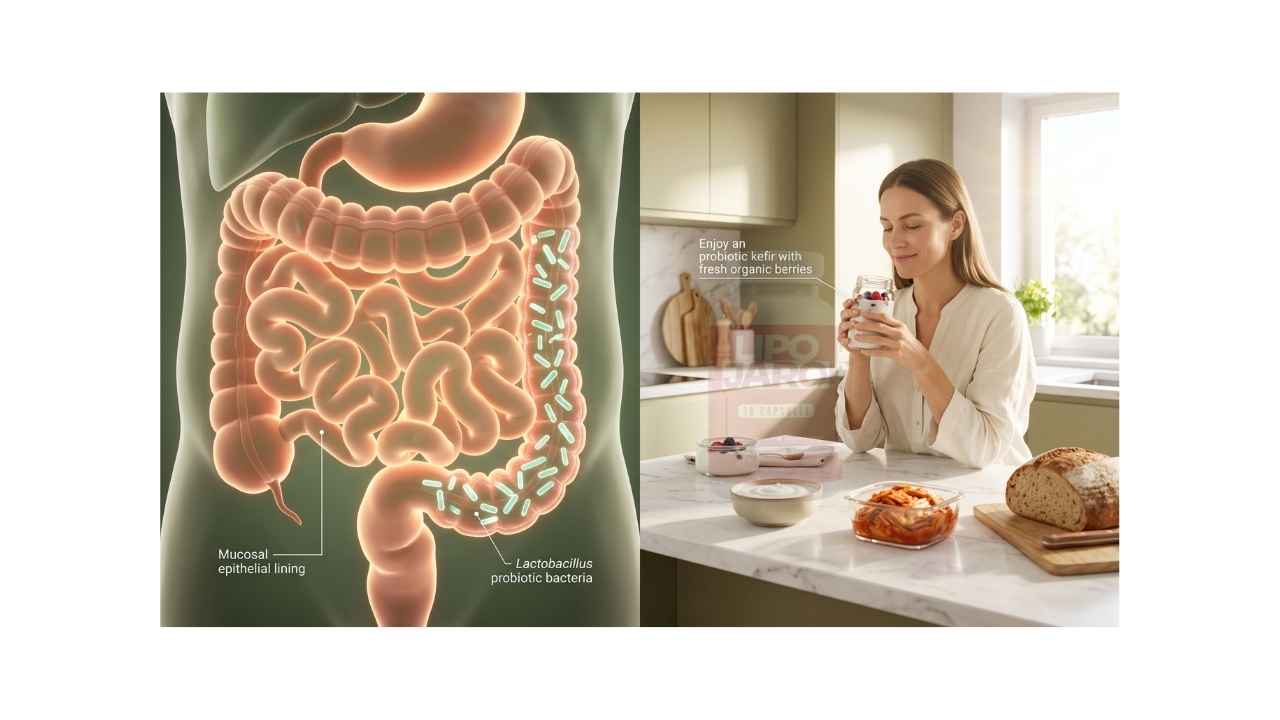
disclosure This article contains affiliate links. Purchases may earn us a commission at no extra cost to you. We only recommend products we've reviewed.
The Ultimate Guide to Lactobacillus: Types, Gut Benefits & How to Choose the Right Strain
From fermented artisan foods to clinical probiotic capsules, the name Lactobacillus is synonymous with gut health. Yet, referring to "Lactobacillus" as a single entity is like referring to all plants as trees; the genus encompasses hundreds of genetically distinct species and thousands of specialized strains, each performing distinct physiological duties within the human gastrointestinal tract.
For individuals navigating bloating, irregular bowel patterns, or antibiotic recovery, understanding the differences between types of Lactobacillus is essential for restoring microbial balance. When the delicate harmony of your intestinal microbiome shifts, opportunistic pathogens can thrive, triggering systemic inflammation, mucosal permeability, and compromised digestion. Exploring the specific benefits of key Lactobacillus species, their biochemical mechanisms, and the crucial distinction between dietary ferments and targeted probiotic strains allows you to optimize your digestive ecosystem.
The Mechanism: How Lactic Acid Bacteria Protect the Enteric Ecosystem
Lactobacilli are Gram-positive, rod-shaped, facultative anaerobic bacteria classified as Lactic Acid Bacteria (LAB). Unlike transient environmental microbes, Lactobacilli possess specialized cell-surface adhesins that enable them to adhere firmly to the intestinal epithelial mucosa.
Once established, they exert their therapeutic benefits through three primary biochemical pathways:
- Lactic Acid Biosynthesis & pH Regulation: Lactobacilli ferment dietary carbohydrates into lactic acid (lactate). By lowering the luminal pH of the small intestine and colon, they create an acidic environment in which harmful pathogens (such as Escherichia coli, Salmonella, and Clostridium difficile) cannot survive.
- Production of Natural Antimicrobials (Bacteriocins): Beyond simple acid production, these beneficial strains secrete specialized peptide molecules called bacteriocins, hydrogen peroxide, and short-chain fatty acids (SCFAs), directly preventing pathogen colonization and minimizing stomach bloating after eating.
- Tight Junction Upregulation: Lactobacilli stimulate intestinal epithelial cells to produce mucin (the protective mucus barrier) and upregulate claudin and occludin proteins, actively reinforcing the physical gut barrier against systemic endotoxin leakage.
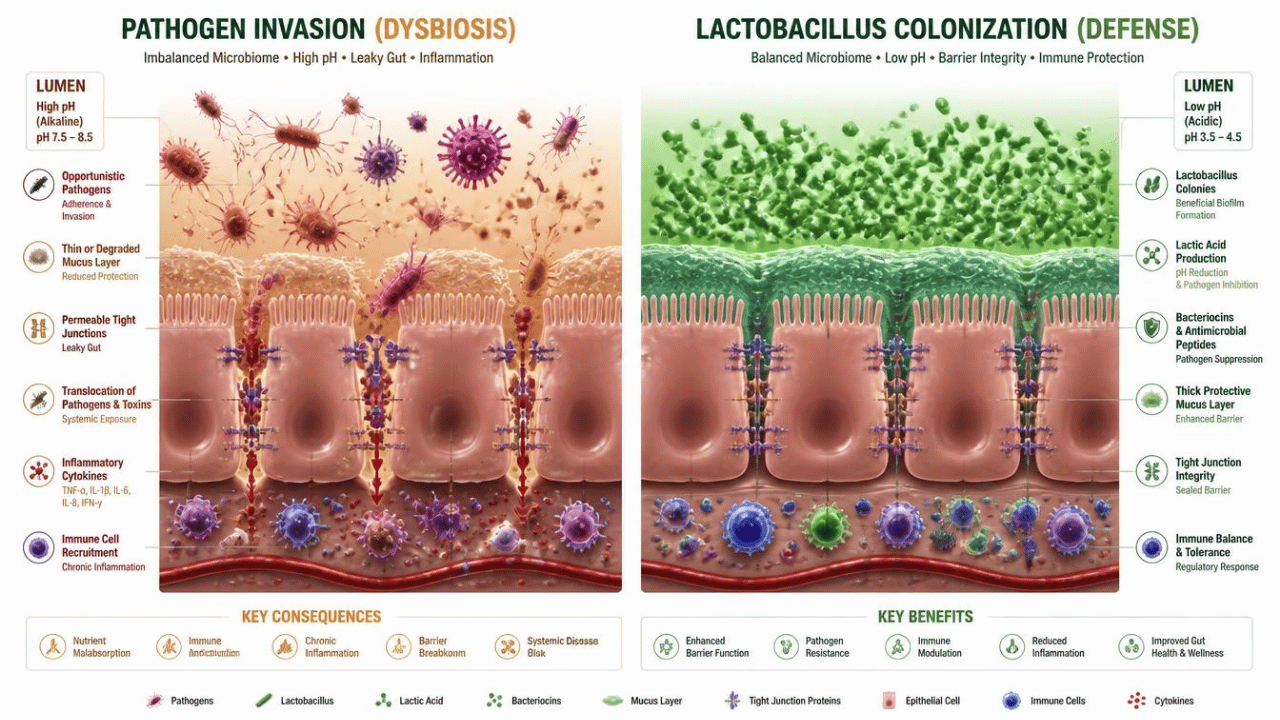
Figure 1: Cellular Defense Mechanisms — How Lactobacillus species inhibit pathogens and reinforce gut barrier integrity.
The 6 Major Lactobacillus Species & Their Clinical Functions
Selecting the correct probiotic begins with recognizing the precise therapeutic targets of the most thoroughly researched Lactobacillus species:
1. Lactobacillus acidophilus: The Lactose & Upper Gut Specialist
Lactobacillus acidophilus is one of the most prominent inhabitants of the human duodenum and jejunum. It produces the enzyme lactase, breaking down lactose milk sugars into absorbable glucose and galactose. It is a cornerstone for lactose intolerance support, nutrient bioavailability, and stabilizing upper digestive transit.
2. Lactobacillus plantarum: The Anti-Gas & Mucosal Calmer
Renowned for its remarkable survival through harsh gastric acid and bile salts, Lactobacillus plantarum (especially strain 299v) is the premier strain for relieving functional abdominal distension. It actively metabolizes fermentable fibers without generating excessive hydrogen gas, easing delayed gastric emptying and stomach heaviness.
3. Lactobacillus rhamnosus (LGG): The Immune & Barrier Guardian
Lactobacillus rhamnosus GG is one of the most extensively published probiotic strains in clinical history. It excels at competitive pathogen exclusion, reducing the incidence of antibiotic-associated diarrhea, traveler's gut distress, and soothing loud stomach gurgling and trapped gas.
4. Lactobacillus reuteri: The Gut-Brain & Motility Modulator
Lactobacillus reuteri is unique for producing reuterin, a potent broad-spectrum antimicrobial agent. Furthermore, research demonstrates that specific L. reuteri strains stimulate the enteric nervous system, promoting regular gut motility and buffering stress-induced bloating and vagus nerve dysfunction.
5. Lactobacillus bulgaricus: The Fermentation Powerhouse
Historically discovered in traditional Bulgarian yogurts by Dr. Stamen Grigorov, Lactobacillus delbrueckii subsp. bulgaricus is a symbiotic starter culture. It works in synergy with Streptococcus thermophilus to pre-digest dairy proteins and synthesize essential B vitamins.
6. Lactobacillus crispatus: The Urogenital & Vaginal Defender
While abundant in the lower reproductive tract, Lactobacillus crispatus is critical for whole-body microbial defense, preventing recurrent bacterial vaginosis and urinary tract colonization by maintaining a protective low-pH shield.
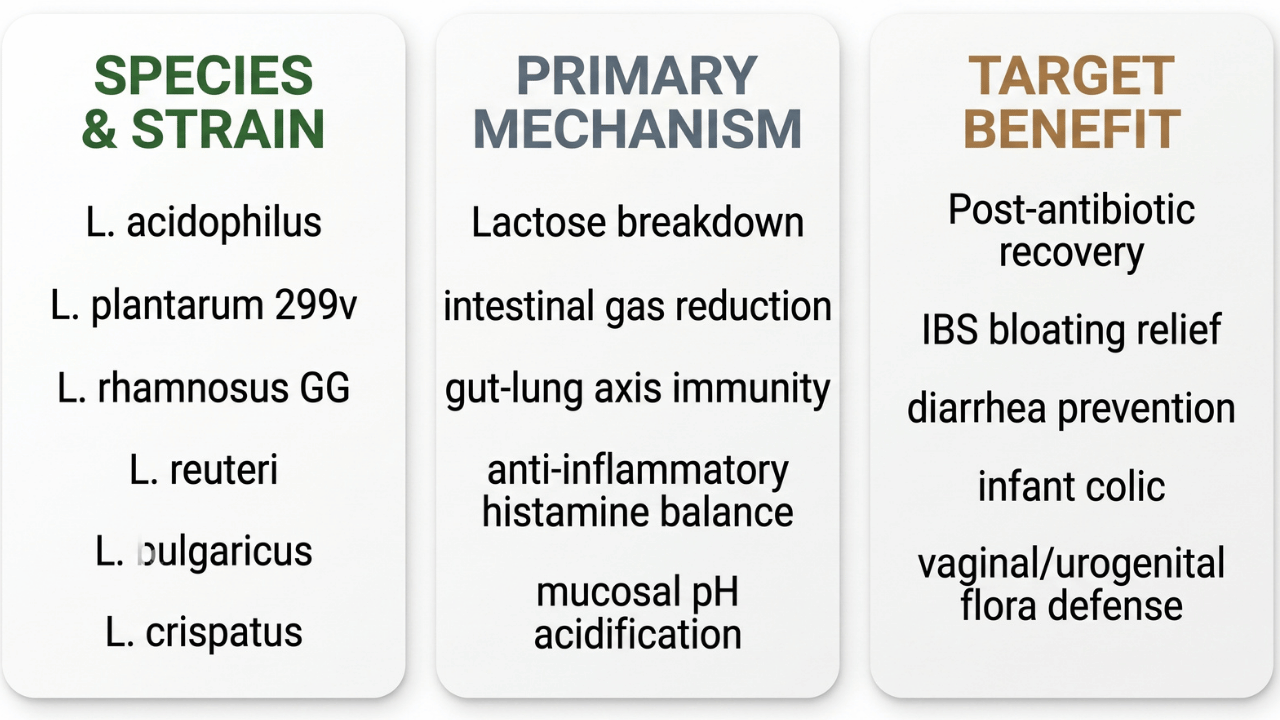
Table 1: Clinical Strain Selector — Matching Specific Lactobacillus Species to Digestive & Systemic Health Goals.
Fermented Foods vs. High-Dose Probiotic Capsules
A common clinical question is whether daily consumption of fermented foods provides sufficient Lactobacillus colonization compared to targeted therapeutic supplements:
- Fermented Dietary Sources (Kefir, Yogurt, Kimchi, Sauerkraut): Excellent for general dietary diversity, supplying whole-food postbiotics, live enzymes, and organic lactic acid. However, the exact colony-forming units (CFUs) and specific strain numbers vary widely from batch to batch.
- Standardized Probiotic Supplements: Essential when addressing specific clinical complaints (such as post-antibiotic recovery, acute traveler's diarrhea, or targeted motility support), as they guarantee precise, acid-resistant CFUs and identified strain designations (e.g., L. plantarum 299v).
When Probiotics Backfire: The SIBO & Motility Consideration
While Lactobacilli are universally classified as beneficial, introducing billions of live bacterial cultures into a sluggish or anatomically stalled gastrointestinal tract can occasionally worsen distension.
If the small intestine lacks robust downward sweeping waves (the migrating motor complex), added bacteria can pool in the upper gut and rapidly ferment dietary starches, aggravating bloated stomach at night and nocturnal fermentation.
In cases of slow transit, combining gentle prokinetic motility support with targeted, non-gas-producing strains ensures that probiotic cultures settle comfortably into their appropriate ecological niches in the lower colon.
Frequently Asked Questions (FAQ)
1. What is the main difference between Lactobacillus and Bifidobacterium?
Lactobacillus species primarily produce lactic acid and predominantly colonize the small intestine and urogenital tract. Bifidobacterium species produce both lactic and acetic acid and represent the dominant beneficial genus in the large intestine (colon).
2. Can you take too many Lactobacillus probiotics?
Excessive doses (above 50–100 billion CFUs) introduced too rapidly can cause temporary mild gas, rumbling, or loose stools as the microbial ecosystem shifts. It is best to start gradually.
3. Which Lactobacillus strain is best for severe bloating?
Lactobacillus plantarum 299v has the strongest clinical evidence for reducing flatulence, abdominal pain, and sensation of gas distension in individuals with sensitive digestive tracts.
4. Do all Lactobacillus strains in yogurt survive stomach acid?
Not all. Commercial yogurts often contain starter cultures (L. bulgaricus) that have moderate acid tolerance. Strains like L. acidophilus and L. rhamnosus have higher survival rates through gastric acid.
5. What does the strain code (like "GG" or "299v") mean on a label?
The genus is Lactobacillus, the species is plantarum, and the strain is 299v. Specific health benefits are strictly strain-dependent; two strains of the same species can have noticeably different clinical effects.
6. Can Lactobacillus help with lactose intolerance?
Yes. Lactobacillus acidophilus and Lactobacillus bulgaricus produce lactase enzymes, aiding in the breakdown of lactose into easily digestible simple sugars.
7. Should Lactobacillus probiotics be taken with food or on an empty stomach?
Most enteric-coated or acid-resistant strains are best taken with or just before a light meal containing a small amount of healthy fat, which buffers stomach acid and aids transit.
8. How long does it take for Lactobacillus to colonize the gut?
Lactobacilli begin exerting biochemical effects within hours of reaching the intestine. Measurable shifts in stool flora and symptom improvements typically occur within 7 to 14 days of consistent intake.
9. Can antibiotics kill beneficial Lactobacillus bacteria?
Yes. Broad-spectrum antibiotics eradicate both pathogenic and beneficial flora. Taking a resilient probiotic strain (spaced at least 2 to 3 hours away from antibiotic doses) helps protect the gut lining.
10. Do Lactobacillus probiotics need to be refrigerated?
Some live cultures require continuous refrigeration to maintain potency, while advanced freeze-dried (lyophilized) and micro-encapsulated formulations remain shelf-stable at room temperature.
11. Is Lactobacillus safe for people with histamine intolerance?
Certain strains (like some L. casei or L. bulgaricus) can produce histamine, while others (like L. plantarum and L. rhamnosus) help degrade histamine. Individuals with mast cell activation should choose histamine-neutral strains.
12. What foods naturally contain the highest amounts of Lactobacillus?
Traditional unpasteurized kefir, authentic Greek yogurt with live active cultures, unpasteurized sauerkraut, authentic kimchi, and fermented lacto-pickles are rich natural sources.
13. Can Lactobacillus help improve skin conditions like acne and eczema?
Yes. Through the gut-skin axis, Lactobacilli lower systemic inflammatory markers and reduce intestinal permeability, which clinically correlates with reduced skin reactivity.
14. What are postbiotics, and how do Lactobacilli create them?
Postbiotics are the beneficial bioactive byproducts (such as lactic acid, short-chain fatty acids, enzymes, and cell wall fragments) manufactured when Lactobacilli ferment dietary prebiotic fibers.
15. How do I know if my probiotic supplement is actually working?
Positive signs include more consistent and complete daily bowel movements, reduced post-meal abdominal pressure, less gas odor, improved digestive comfort, and sustained energy levels.
Balancing Your Microbiome for Long-Term Digestive Harmony
Nurturing a diverse and resilient population of Lactobacillus species is one of the most impactful steps you can take for whole-body wellness. By incorporating rich, unpasteurized fermented foods, selecting clinically verified strains tailored to your unique digestive patterns, and maintaining healthy downward enteric motility, you supply your gut with the protective microbial allies it needs to maintain mucosal integrity, comfort, and vitality.
Recommended Reading
- Best Gut Health and Appetite Control Formulas in 2026: The Complete Guide – Discover the top evidence-based probiotic, prebiotic, and metabolic formulations designed to optimize the gut microbiome and regulate hunger hormones naturally.
- Food Sitting in Stomach for Hours? Delayed Gastric Emptying Symptoms & How to Speed Up Digestion – Explore the clinical drivers behind sluggish upper GI transit, antral hypomotility, and natural strategies to clear heavy stomach stagnation.
- Berberine vs. GLP-1 Agonists: The Cellular Science of AMPK Activation & Blood Sugar Balance – A comparative breakdown of botanical AMPK activators versus incretin-mimetic therapies for sustained glucose and metabolic control.
- Microbiome and GLP-1 Metabolic Formulations: In-Depth Clinical Review – A comprehensive look at modern metabolic supplements that leverage gut-barrier integrity and short-chain fatty acids to stimulate natural satiety pathways.
keep reading
Gut Health & Supplements
DigestiStart Review: Can This Herbal Formula Help Restore Digestive Health & Relieve Bloating?
Gut Health & Supplements
The Ultimate Guide to GERD: Causes, Symptoms & Natural Relief
Gut Health & Supplements