
Stress Bloating & the Vagus Nerve: How Anxiety Freezes Gut Motility & How to Reset It
Can stress and anxiety cause severe stomach bloating? Learn how the vagus nerve regulates gut motility, symptoms of vagal tone failure, and how to reset digestion.
disclosure This article contains affiliate links. Purchases may earn us a commission at no extra cost to you. We only recommend products we've reviewed.
Stress Bloating & the Vagus Nerve: How Anxiety Freezes Gut Motility & How to Reset It
You eat a clean, balanced meal, yet within minutes of facing a stressful workday deadline or a wave of anxiety, your stomach expands like an overinflated balloon. For millions experiencing stress bloating and anxiety-induced digestive issues, the abdominal distension feels completely disconnected from what they actually ate.
When chronic bloating occurs alongside emotional tension, many assume it is a simple food allergy or intolerance.
However, standard elimination diets often fail to bring relief because the primary breakdown is not taking place in your diet—it is happening in your nervous system. When anxiety activates your fight-or-flight response, your vagus nerve downregulates, freezing upper gastrointestinal motility and paralyzing the cleansing contractions of the digestive tract.
To eliminate stubborn tension bloating, you must understand how autonomic tone controls enteric propulsion and how to restore parasympathetic digestive drive.
The Brain-Gut Axis: How Fight-or-Flight Shuts Down Peristalsis
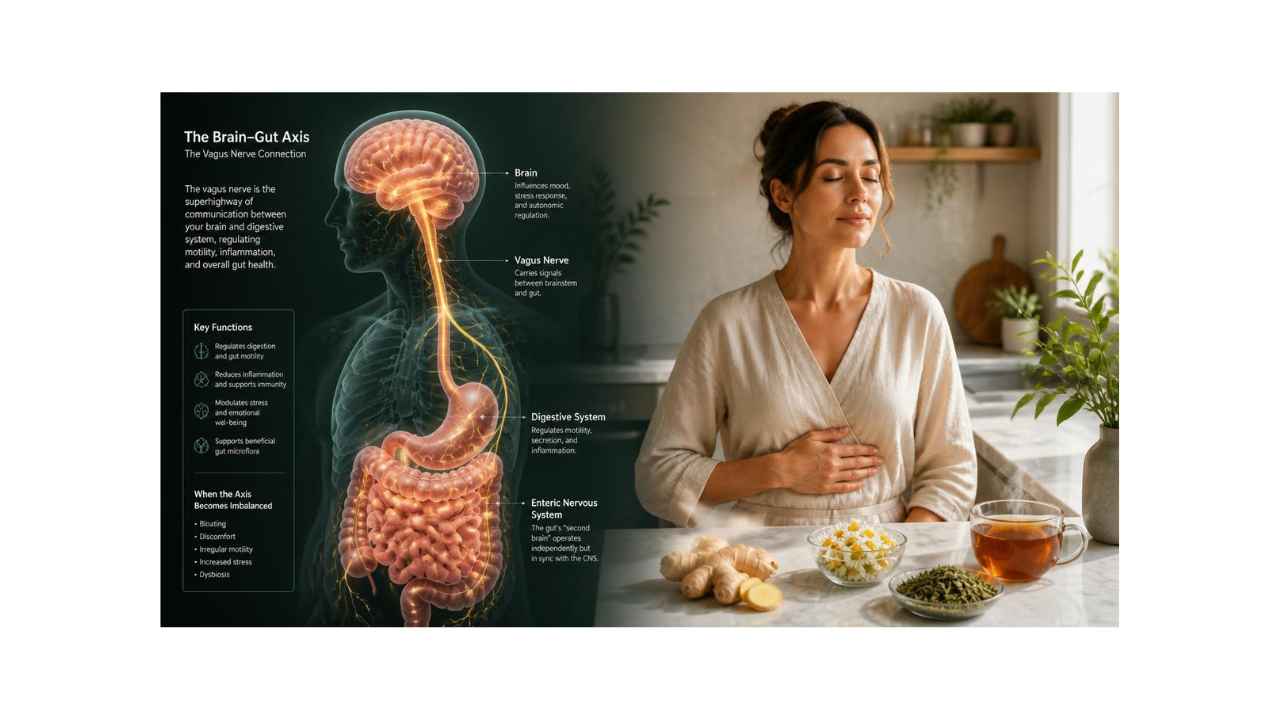
The brain and the digestive tract are linked by the bidirectional superhighway known as the gut-brain axis. The primary physical cable governing this communication is the vagus nerve (the tenth cranial nerve), which controls parasympathetic "rest-and-digest" activity.
Under normal conditions, the vagus nerve releases acetylcholine, signaling the stomach to churn food and activating the migrating motor complex (MMC). When chronic stress or acute anxiety strikes, the sympathetic nervous system floods the bloodstream with epinephrine and cortisol:
- 1. Blood Shunting & Motility Freeze: Blood is diverted away from digestive organs toward skeletal muscles. The stomach and small intestine stop contracting rhythmically, triggering immediate stomach bloating after eating.
- 2. Sphincter Clamping: Sympathetic tone forces the pyloric and ileocecal valves to constrict tightly. Trapped food and gas cannot advance, leading to food sitting in stomach for hours.
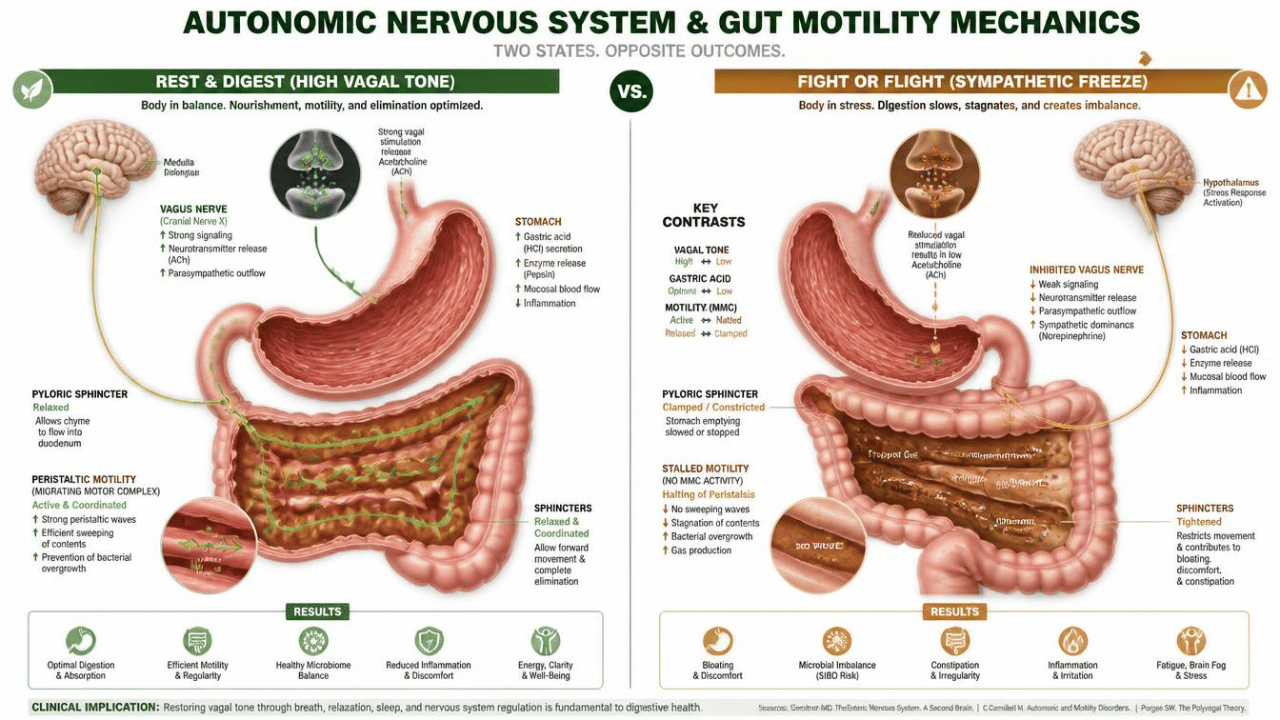
Figure 1: Autonomic Motility Control — How sympathetic stress signals inhibit vagal tone, halting the migrating motor complex.
Why Probiotics Alone Cannot Fix Stress Bloating
Probiotics supply beneficial bacteria, but if the vagus nerve is inactive and smooth muscle contractions remain frozen, added bacterial cultures simply stagnate in the warm, motionless upper intestine, accelerating fermentation and making the bloat worse. True digestive relief requires restoring vagal signaling and stimulating downward prokinetic momentum.
Stress Bloating vs. Food Intolerance vs. SIBO
Pinpointing whether your distension is neurogenic, dietary, or microbial is crucial for implementing the correct therapeutic approach:
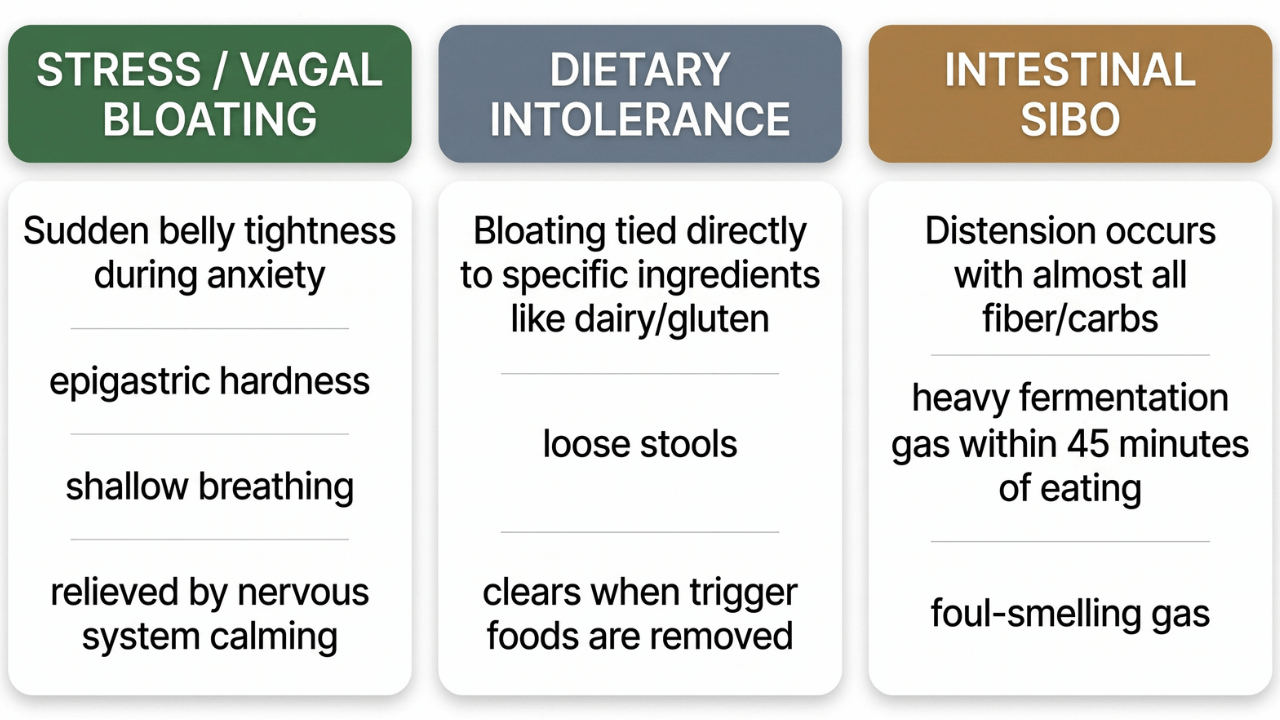 Table 1: Clinical Breakdown — Neurogenic Stress Bloating vs. Dietary Intolerance vs. Microbial Fermentation.
5 Hallmarks of Stress-Induced Bloating & Vagal Dysfunction
If chronic stress or autonomic dysregulation is suppressing your digestive motility, you will likely notice several of these characteristic symptoms:
1. Hard, Drum-Like Epigastric Distension
Unlike soft lower abdominal swelling, stress bloating frequently presents as a rigid, rock-hard tightness directly beneath the rib cage, caused by diaphragmatic gripping and gastric smooth muscle freeze.
2. Sudden Post-Meal Fullness & Biliary Stagnation
Under sympathetic dominance, the gallbladder fails to receive the neural signals required to contract and release bile, triggering fat malabsorption and sluggish gallbladder and poor bile flow.
3. Visceral Hypersensitivity & Tight Diaphragm Gas Pockets
Low vagal tone amplifies pain perception along enteric sensory nerves. Even normal volumes of digestive gas feel agonizingly tight, often locking into high colon curves and creating sharp trapped gas under ribs.
4. Excessive Throat Clearing & Nervous Air Swallowing (Aerophagia)
Subconscious shallow breathing and nervous gulping force significant volumes of atmospheric air into the esophagus and stomach, expanding the gastric fundus and aggravating distension.
5. High Cortisol & Nocturnal Motility Paralysis
Elevated nighttime cortisol disrupts the restorative phase of the autonomic cycle, preventing the enteric nervous system from executing nighttime cleansing waves and causing heavy evening distension and morning tightness.
👉 Explore this Advanced Botanical Digestive Formula featuring standardized Cnidium Monnieri, gingerols, and botanical adaptogens to support vagal tone and unlock stress-induced digestive stalls.
4 Vagal Activation Techniques to Unfreeze Digestion Fast
- Practice Box Breathing Before Meals: Inhale for 4 seconds, hold for 4 seconds, exhale slowly for 4 seconds, and hold for 4 seconds. Performing 3 cycles before your first bite shifts the autonomic nervous system into parasympathetic dominance.
- Engage the Pharyngeal Vagal Reflex: Gargling vigorously with water or humming deeply for 60 seconds activates the muscles of the soft palate and vocal cords, directly stimulating the vagal motor nucleus in the brainstem.
- Cold Splash Sensory Reset: Splashing cold water on your face stimulates the mammalian dive reflex, instantly lowering elevated heart rates and increasing parasympathetic nerve outflow to the abdominal viscera.
- Integrate Synergistic Prokinetic Botanicals: Utilize botanical agents that enhance enteric acetylcholine reception, physically driving smooth muscle peristalsis even during demanding, high-stress days.
Frequently Asked Questions (FAQ)
1. Can stress and anxiety really cause severe physical bloating?
Yes. Stress triggers the fight-or-flight response, which halts digestive enzyme production, clamps intestinal valves, and freezes peristalsis, causing swallowed air and food residues to trap and ferment.
2. How does the vagus nerve affect stomach bloating?
The vagus nerve is the primary conduit for parasympathetic signals. When vagal tone is low, the stomach empties sluggishly, stomach acid declines, and the migrating motor complex fails to sweep trapped gas downstream.
3. What is "nervous stomach" bloating?
"Nervous stomach" is a layman's term for autonomic enteric dysregulation, where acute emotional stress manifests physically as visceral hypersensitivity, cramping, delayed emptying, and sudden distension.
4. Can deep breathing stimulate digestion immediately?
Yes. Deep diaphragmatic breathing physically presses on the abdominal organs while stimulating parasympathetic nerve fibers, signaling the gut sphincters to relax and resume peristalsis.
5. Why does my stomach bloat when I am anxious even if I haven't eaten?
Anxiety promotes shallow chest breathing and aerophagia (subconscious air swallowing), while heightened stress hormones cause visceral hypersensitivity, making even empty bowel loops spasm and distend.
6. What is the migrating motor complex (MMC) and how does stress stop it?
The MMC is an electrical wave that clears residual food and bacteria from the stomach and small intestine between meals. High cortisol and sympathetic stress completely suppress MMC electrical activity.
7. How do I know if my bloating is from stress or a food intolerance?
Stress bloating typically occurs rapidly during emotional tension or unpredictable schedules regardless of food choice, whereas food intolerance bloating occurs consistently after specific trigger ingredients.
8. Can a sluggish vagus nerve cause gastroparesis?
Yes. Damage or functional suppression of vagal signaling is a leading recognized cause of delayed gastric emptying and functional gastroparesis.
9. Does drinking herbal tea help activate the vagus nerve?
Warm herbal infusions containing ginger, chamomile, or lemon balm provide mild neuro-sedative effects that reduce sympathetic tone while stimulating mucosal gastrointestinal receptors.
10. Can chronic stress cause Small Intestinal Bacterial Overgrowth (SIBO)?
Yes. By suppressing stomach acid, bile production, and MMC cleansing waves, chronic stress creates an ideal stagnant environment for bacteria to overgrow in the small intestine.
11. What is visceral hypersensitivity?
Visceral hypersensitivity is a condition where the nerves of the gut-brain axis become over-sensitized, causing normal amounts of intestinal gas or digestion to feel intensely painful and distended.
12. Does humming or singing really help the gut?
Yes. The vagus nerve innervates the vocal cords and larynx. The mechanical vibrations created by humming, chanting, or singing stimulate vagal tone and downstream digestive output.
13. Why do digestive enzymes fail to work during high-stress periods?
Digestive enzymes can break down food chemically, but if smooth muscle contractions are paralyzed by sympathetic stress, the broken-down food still cannot move through the GI tract.
14. How does poor posture contribute to stress bloating?
Slouching compresses the abdominal cavity and restricts the diaphragm, preventing the natural nerve stimulation and visceral massage that occurs with deep belly breathing.
15. How do prokinetics help someone with chronic stress bloating?
Prokinetic botanicals work at the enteric receptor level, stimulating acetylcholine and 5-HT4 receptors to mechanically initiate sweeping peristalsis independent of autonomic stress interference.
Break the Stress-Bloat Cycle: Reset Vagal Tone and Free Gut Flow
Dealing with painful bloating and digestive paralysis whenever life gets busy is exhausting and frustrating.
By focusing on activating vagal tone, releasing sympathetic smooth muscle tension, and supporting coordinated downward prokinetic momentum, you free your digestive system from stress-locked stagnation and reclaim lasting abdominal comfort.
🌿 Reset Vagal Motility with DigestiStart: The advanced botanical prokinetic matrix formulated to stimulate smooth peristaltic waves, relieve nervous stomach fullness, and restore effortless daily digestion.
Check Official Availability & Claim Your Supply of DigestiStart Today →
keep reading
Gut Health & Supplements
DigestiStart Review: Can This Herbal Formula Help Restore Digestive Health & Relieve Bloating?
Gut Health & Supplements
The Ultimate Guide to GERD: Causes, Symptoms & Natural Relief
Gut Health & Supplements