The Complete Guide to Digestive Enzymes: How They Break Down Food, Stop Bloating & Restore Gut Function
Master how digestive enzymes work, identify enzyme deficiency symptoms, and learn how amylase, protease, and lipase eliminate bloating and gas.
disclosure This article contains affiliate links. Purchases may earn us a commission at no extra cost to you. We only recommend products we've reviewed.
The Complete Guide to Digestive Enzymes: How They Break Down Food, Stop Bloating & Restore Gut Function
Digestive distress after eating is one of the most common complaints in modern clinical wellness. Millions of individuals experience immediate abdominal tightness, audible rumbling, heavy post-meal fatigue, and persistent bloating within minutes of consuming standard meals. While these symptoms are frequently attributed to broad microbial imbalances or food sensitivities, the primary failure often occurs higher up the gastrointestinal tract: an insufficiency of digestive enzymes.
Digestive enzymes are specialized protein biocatalysts that orchestrate the chemical breakdown of macronutrients. Without adequate enzyme secretion, dense dietary proteins, complex starches, and long-chain fats cannot be cleaved into individual amino acids, simple sugars, and fatty acids.
Instead, large unabsorbed food particles migrate into distal segments of the digestive tract, where opportunistic bacteria ferment them into excess hydrogen and methane gas. Understanding how endogenous enzymes operate—and how targeted supplementation bridges digestive gaps—is the foundation of restoring true gastrointestinal comfort.
1. The Enzymatic Breakdown Cascade: From Cephalic Trigger to Enteric Absorption
Human digestion is a multi-compartment chemical assembly line. Mechanical mastication in the mouth is merely the preparatory step; true nutrient extraction requires a coordinated sequence of enzymatic secretions triggered by neurological and hormonal cues.
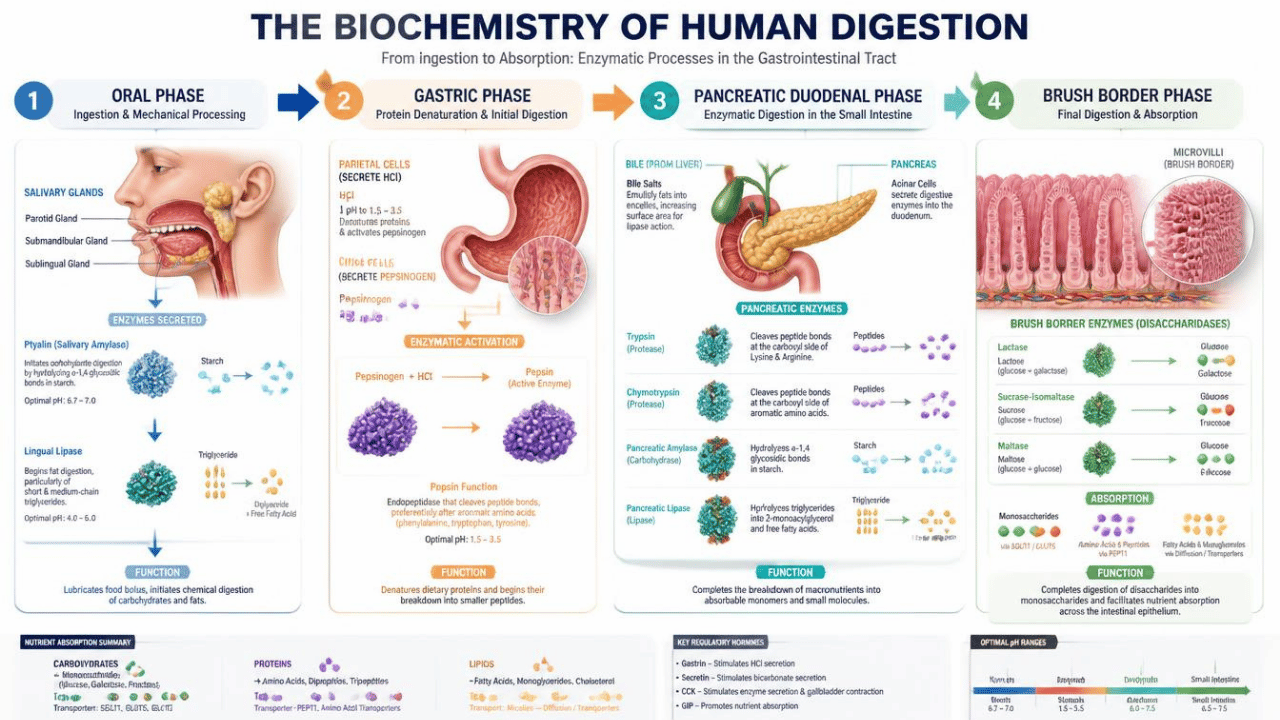
Figure 1: The Human Digestive Enzyme Cascade — Step-by-step chemical breakdown across the mouth, stomach, pancreas, and small intestinal lining.
The cascade begins during the cephalic phase before food enters the stomach. The sight, aroma, and anticipation of a meal activate vagal efferent pathways, prompting salivary glands to release salivary amylase (ptyalin) and lingual lipase. Salivary amylase hydrolyzes internal alpha-1,4-glucosidic bonds in dietary starches, converting amylose into shorter maltose chains, while lingual lipase initiates early lipid emulsification.
Upon entering the stomach, the gastric phase takes over:
- Hydrochloric Acid (HCl) Activation: Parietal cells secrete gastric acid, dropping luminal pH to 1.5–2.5. This extreme acidity denatures complex quaternary protein structures and converts inactive pepsinogen into the active proteolytic enzyme pepsin.
- Gastric Lipase Activity: Chief cells release gastric lipase, which continues hydrolyzing medium-chain triglycerides in an acidic medium.
As the acidic chyme enters the duodenum, the intestinal phase begins. Acidity triggers the endocrine release of secretin and cholecystokinin (CCK). Secretin prompts the pancreas to flood the duodenum with bicarbonate, neutralizing gastric acid to a neutral pH of 6.5–7.5.
Simultaneously, CCK induces pancreatic acinar cells to release concentrated pancreatic enzymes. Enteropeptidase on the duodenal brush border activates trypsinogen into trypsin, which rapidly cleaves and activates chymotrypsin, elastase, and carboxypeptidases.
If this coordinated cascade is blunted by low stomach acid, pancreatic fatigue, or gallbladder dysfunction, un-cleaved macronutrients pool in the upper gut, driving acute stomach bloating after eating.
2. The Primary Enzyme Classes: Amylase, Protease, Lipase & Brush Border Catalysts
Every digestive enzyme exhibits strict substrate specificity, functioning like a biological lock and key tailored to a precise biochemical bond.
1. Proteases & Peptidases (Protein Hydrolysis)
Proteases cleave tough peptide bonds holding amino acids together. Gastric pepsin begins this process, and pancreatic endopeptidases (trypsin, chymotrypsin) break polypeptides into shorter oligopeptide chains. Finally, brush border aminopeptidases and carboxypeptidases isolate single amino acids and dipeptides for mucosal transport.
When protease activity is low, undigested proteins enter the lower intestine, where putrefactive bacteria metabolize them into toxic and malodorous byproducts like cadaverine, putrescine, and hydrogen sulfide gas, exacerbating delayed gastric emptying and stomach heaviness.
2. Lipases (Lipid Cleavage & Fat Absorption)
Fats are hydrophobic and require bile salts synthesized by the liver and stored in the gallbladder to form emulsion droplets. Pancreatic lipase binds to these droplets with the assistance of colipase, cleaving dietary triglycerides into two free fatty acids and one 2-monoglyceride. Without adequate lipase, unabsorbed lipids coat the intestinal lining, creating pale, greasy, floating stools (steatorrhea) and severe fat-soluble vitamin (A, D, E, K) malabsorption.
3. Amylases & Carbohydrases (Starch Breakdown)
Pancreatic amylase degrades complex polysaccharides into maltose, maltotriose, and limit dextrins. These intermediate sugars are then cleaved at the enterocyte brush border by specialized dissacharidases:
- Lactase: Hydrolyzes lactose into glucose and galactose.
- Sucrase: Cleaves sucrose into glucose and fructose.
- Maltase & Isomaltase: Cleave maltose into single glucose units.
- Alpha-Galactosidase: Cleaves the complex oligosaccharides found in legumes, cruciferous vegetables, and grains that the human genome cannot naturally break down.
3. Enzyme Deficiency Symptoms: When Digestion Fails
When the body cannot secrete adequate enzyme concentrations—a state spanning from mild subclinical enzyme insufficiency to clinical Exocrine Pancreatic Insufficiency (EPI)—the digestive process breaks down, triggering a predictable constellation of gastrointestinal symptoms.
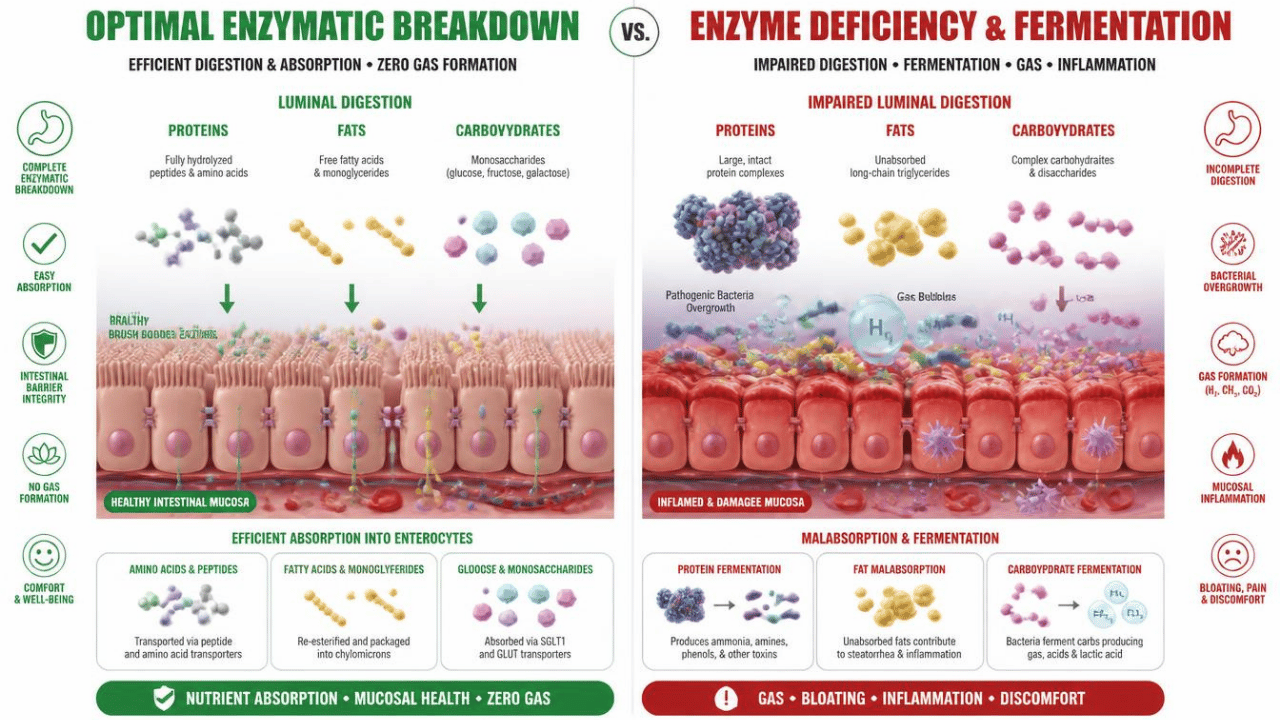
Figure 2: Fate of Ingested Food — Complete Enzymatic Cleavage vs. Malabsorptive Bacterial Fermentation.
The primary driver of symptoms is not the food itself, but what happens when undigested macronutrients reach the colonic microbiota:
- Postprandial Upper Abdominal Distension: Feeling uncomfortably full after consuming only a few bites of food, accompanied by epigastric tightness.
- Audible Borborygmi & Trapped Gas: Excessive bacterial fermentation produces high volumes of gas within 30 to 90 minutes of a meal.
- Stool Consistency Changes: Alternating between loose, unformed stools with visible undigested food particles and floating, oily stools.
- Post-Meal Fatigue & Brain Fog: The immune system in the gut wall reacts to large undigested protein fragments with localized inflammation, diverting systemic energy toward digestion.
As un-cleaved starches and proteins remain in the intestinal lumen into the late evening hours, continuous microbial fermentation creates severe distension, resulting in a visibly bloated stomach at night and nocturnal fermentation.
4. Clinical Protocol: How to Take Digestive Enzymes for Maximum Efficacy
Achieving consistent results from supplemental digestive enzymes requires understanding enzyme chemistry, source selection, and precise timing.
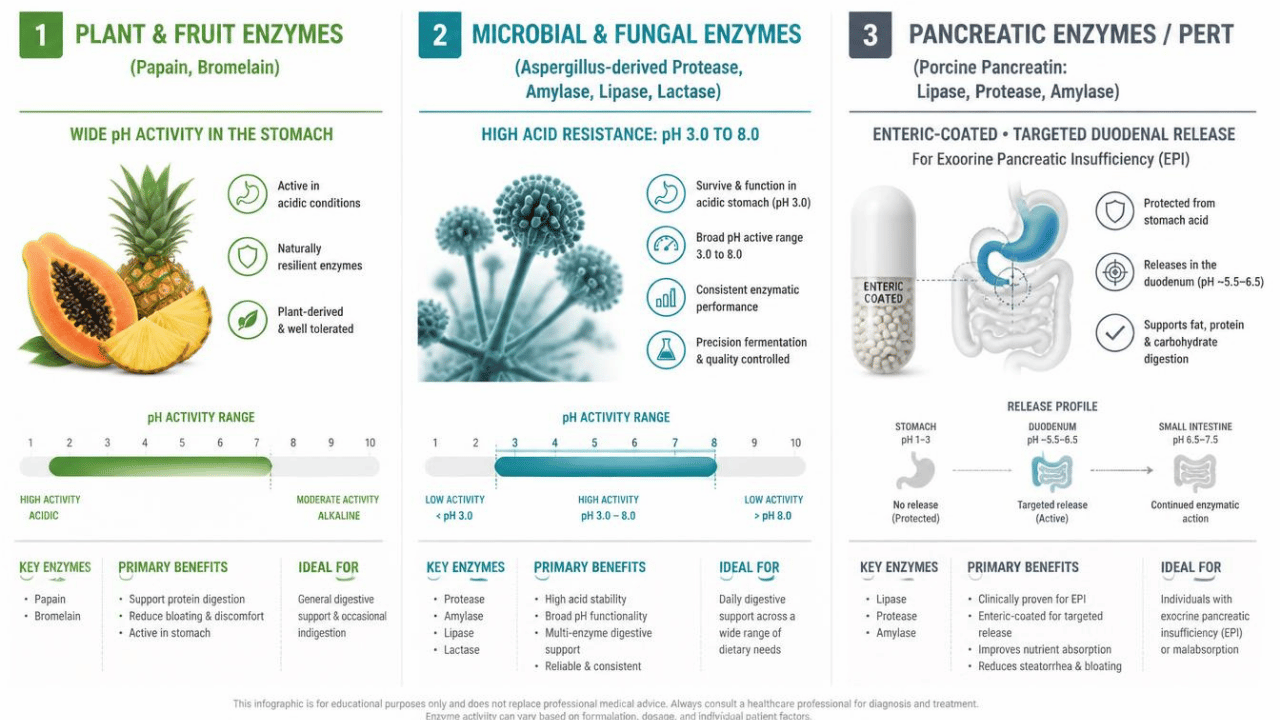
Figure 3: Enzyme Supplement Architecture — Broad-Spectrum Plant/Fungal Enzymes vs. High-Potency Pancreatic Extracts (PERT).
Selecting the Optimal Enzyme Formulation
- Broad-Spectrum Plant & Fungal Blends: Derived from Aspergillus oryzae or fruit sources (papain from papaya, bromelain from pineapple). These enzymes remain stable and active across a wide pH range (pH 3.0 to 8.0), initiating food breakdown in the stomach before gastric acid fully peaks.
- Pancreatic Extracts (Pancreatin / PERT): Porcine-derived enzymes designed specifically for duodenal activation (pH > 6.0), ideal for clinical pancreatic insufficiency and severe fat malabsorption.
- Targeted Support Blends: Formulas that combine full-spectrum proteases, lipases, and amylases with specialized catalysts like lactase, DPP-IV (for trace gluten breakdown), and alpha-galactosidase (for fibrous vegetables).
Timing and Administration Guidelines
- First Bites Timing: Supplemental enzymes must physically mix with the food bolus to catalyze enzymatic cleavage. Take capsules with the first few bites of a solid meal or immediately prior to eating.
- Dosing According to Meal Complexity: Adjust dosage based on meal size and macronutrient density. A light salad requires minimal enzymatic assistance, whereas a dense meal containing high proteins, complex starches, and rich fats benefits from a full therapeutic dose.
- Avoid Hot Liquids: Ingest enzyme capsules with cool or room-temperature water. Liquids above 50°C (122°F) can denature delicate protein structures, rendering the enzymes inactive.
Maintaining a relaxed autonomic state during meals also supports natural digestive secretions. Eating in a rushed, high-stress state activates sympathetic nervous tone, suppressing endogenous digestive secretions and worsening stress-induced bloating and vagus nerve dysfunction.
Frequently Asked Questions (FAQ)
1. What is the primary function of digestive enzymes?
Digestive enzymes are biological catalysts that break down complex dietary macronutrients—proteins, fats, and carbohydrates—into smaller, bioavailable molecules (amino acids, fatty acids, and simple monosaccharides) that can be absorbed across the intestinal wall.
2. When is the best time to take a digestive enzyme supplement?
The optimal time to take digestive enzymes is with the first few bites of your meal or immediately before eating. This ensures the enzymes thoroughly mix with the ingested food matrix in the stomach to initiate breakdown.
3. What happens if I take digestive enzymes after finishing my meal?
Taking enzymes within 15 to 30 minutes after eating can still provide partial digestive support. However, taking them hours after a meal reduces their effectiveness, as the food bolus has already transitioned into the distal stomach or duodenum.
4. What are the key differences between digestive enzymes and probiotics?
Digestive enzymes are specialized non-living proteins that chemically cleave food macronutrients. Probiotics are live beneficial microorganisms that colonize the lower intestinal tract, modulate immune responses, produce short-chain fatty acids, and protect the mucosal barrier.
5. What are the most common signs of a digestive enzyme deficiency?
Common indicators include persistent postprandial bloating, epigastric heaviness, excessive trapped gas, undigested food particles in the stool, floating or greasy stools, and general fatigue following carbohydrate- or protein-dense meals.
6. Can taking digestive enzyme supplements make my body dependent on them?
No. Exogenous digestive enzyme supplements do not suppress the body's natural pancreatic or gastric production. Enzyme secretion is primarily regulated by neural (vagal) inputs and gastrointestinal peptide hormones (CCK and secretin) triggered by the physical presence of food.
7. What is the difference between plant-derived and pancreatic enzymes?
Plant- and fungal-derived enzymes (such as bromelain, papain, and Aspergillus extracts) operate across a broad pH spectrum (pH 3.0 to 8.0) and begin digesting food in the stomach. Pancreatic enzymes (porcine pancreatin) are formulated for near-neutral pH environments (pH 6.5 to 7.5) and act predominantly in the small intestine.
8. Why do unabsorbed foods cause severe bloating and gas?
When proteins and complex carbohydrates are not broken down by endogenous enzymes in the upper digestive tract, they enter the distal small intestine and colon intact. Colonic bacteria ferment these substrates, producing high volumes of hydrogen, methane, and carbon dioxide gases.
9. Do digestive enzymes help with lactose intolerance?
Yes. Supplemental lactase hydrolyzes the disaccharide lactose found in dairy products into glucose and galactose, preventing undigested lactose from causing osmotic diarrhea, cramping, and gas in individuals with low brush border lactase.
10. What enzymes are needed after gallbladder removal?
Without a gallbladder to store and concentrate bile, the continuous trickle of dilute bile can impair fat digestion. Supplements containing high-potency lipase, often paired with ox bile extracts, help emulsify and break down dietary lipids.
11. How do digestive enzymes interact with stomach acid (HCl)?
Stomach acid is essential for activating endogenous pepsin and denaturing protein structures. High-quality supplemental enzymes, particularly microbial and fungal varieties, are acid-stable, allowing them to remain active in the gastric environment alongside hydrochloric acid.
12. Can digestive enzymes help reduce acid reflux symptoms?
Yes. Sluggish digestion and delayed gastric clearance increase intra-gastric pressure, forcing the lower esophageal sphincter (LES) open. By accelerating the breakdown of the food bolus, digestive enzymes support timely gastric emptying and help reduce reflux pressure.
13. What is DPP-IV, and why is it included in advanced enzyme formulas?
Dipeptidyl peptidase IV (DPP-IV) is a specialized proteolytic enzyme capable of cleaving proline-rich peptide bonds found in gluten and casein, helping digest accidental trace exposures in individuals with sensitivities.
14. Are there any side effects associated with high-dose digestive enzymes?
High doses of digestive enzymes are generally well tolerated, but taking excessive amounts on an empty stomach may cause mild stomach irritation, temporary nausea, or loose stools.
15. How long does it take to notice the benefits of digestive enzyme supplementation?
Immediate reductions in post-meal bloating, gas, and abdominal fullness often occur with the very first meal. Broader improvements in systemic nutrient absorption, stool consistency, and energy levels typically develop over 2 to 4 weeks of consistent use.
Restoring Enzymatic Balance for Optimal Digestion
Achieving consistent digestive comfort requires addressing the biochemical mechanisms of nutrient breakdown. When digestive enzyme output is insufficient, the entire gastrointestinal cascade is compromised, creating a cycle of malabsorption, microbial fermentation, and chronic abdominal distress.
By utilizing targeted, broad-spectrum digestive enzyme formulations tailored to your meal composition, taking them consistently with the first bites of food, and supporting foundational gastric acid and motility, you can eliminate post-meal bloating and restore efficient nutrient absorption. Supporting your body's natural enzymatic pathways is the key to enjoying meals with confidence and long-term vitality.
Recommended Reading
- Best Gut Health and Appetite Control Formulas in 2026: The Complete Guide – An evaluation of evidence-based multi-ingredient formulas combining probiotics, prebiotics, and metabolic botanicals to support systemic gut-barrier integrity.
- Stomach Bloating After Eating: Motility Failure vs Microbial Fermentation – Discover why postprandial distension occurs, the difference between impaired stomach emptying and colonic fermentation, and how to restore digestive motility.
- Food Sitting in Stomach for Hours? Delayed Gastric Emptying Symptoms & How to Speed Up Digestion – Explore the clinical drivers behind sluggish upper GI transit, antral hypomotility, and natural strategies to clear heavy stomach stagnation.
- Bloated Stomach at Night: Evening Distension, Overnight Stagnation & Motility Reset – Learn how nocturnal microbial fermentation and a suppressed migrating motor complex trigger severe evening bloat and how to reset your gut overnight.
keep reading
Gut Health & Supplements
DigestiStart Review: Can This Herbal Formula Help Restore Digestive Health & Relieve Bloating?
Gut Health & Supplements
The Ultimate Guide to GERD: Causes, Symptoms & Natural Relief
Gut Health & Supplements