The Gut-Brain Axis & Dopamine Cravings: How Microbial Dysbiosis Drives Sugar Addiction and Emotional Eating
Discover how gut dysbiosis, Candida overgrowth, and the vagus nerve drive intense sugar cravings and emotional eating through dopamine reward pathways.
disclosure This article contains affiliate links. Purchases may earn us a commission at no extra cost to you. We only recommend products we've reviewed.
The Gut-Brain Axis & Dopamine Cravings: How Microbial Dysbiosis Drives Sugar Addiction and Emotional Eating
For decades, the inability to resist hyper-palatable foods, late-night sugar binges, and emotional overeating has been characterized as a personal failure of willpower. Modern clinical neuroscience and enteric microbiology have overturned this outdated assumption. Compulsive cravings for refined carbohydrates and ultra-processed sweets are frequently driven by biochemical survival imperatives hardwired into the human nervous system by the trillions of microorganisms residing within the digestive tract.
The human intestinal tract contains an extensive neurochemical network known as the enteric nervous system (ENS). Operating as a sophisticated secondary brain, the gut synthesizes the vast majority of the body’s neurotransmitters, communicating bidirectionally with the central nervous system through the bidirectional superhighway of the vagus nerve.
When microbial balance is disrupted—a pathological state termed dysbiosis—pathogenic bacteria, opportunistic yeasts, and inflammatory metabolites alter this neural circuitry. By manipulating the mesolimbic dopamine pathway, altering serotonin synthesis, and sending distress signals through vagal afferents, dysbiotic microbes generate intense food cravings to ensure their own survival. Understanding this biological manipulation reveals that ending sugar addiction requires repairing the enteric ecosystem rather than relying solely on cognitive restraint.
1. The Vagus Nerve & Neurochemical Hijacking: How Microbes Signal the Brain
The primary communication channel linking the intestinal lumen directly to the brainstem is the tenth cranial nerve: the vagus nerve. Composed of over 80% afferent (ascending) fibers, the vagus nerve functions as a real-time surveillance network, transmitting biochemical, mechanical, and microbial data from the gastrointestinal wall to the nucleus of the solitary tract (NTS) in the brainstem.
Enteric microorganisms do not possess a central nervous system, but they interact directly with human physiology by synthesizing neuroactive compounds. Commensal and opportunistic bacterial strains produce structural analogues of mammalian neurotransmitters, including dopamine, serotonin, gamma-aminobutyric acid (GABA), and acetylcholine.
When diverse, beneficial bacterial communities dominate the colon, they produce short-chain fatty acids (SCFAs) that stimulate enteroendocrine cells to release satiety peptides while reinforcing balanced vagal tone.
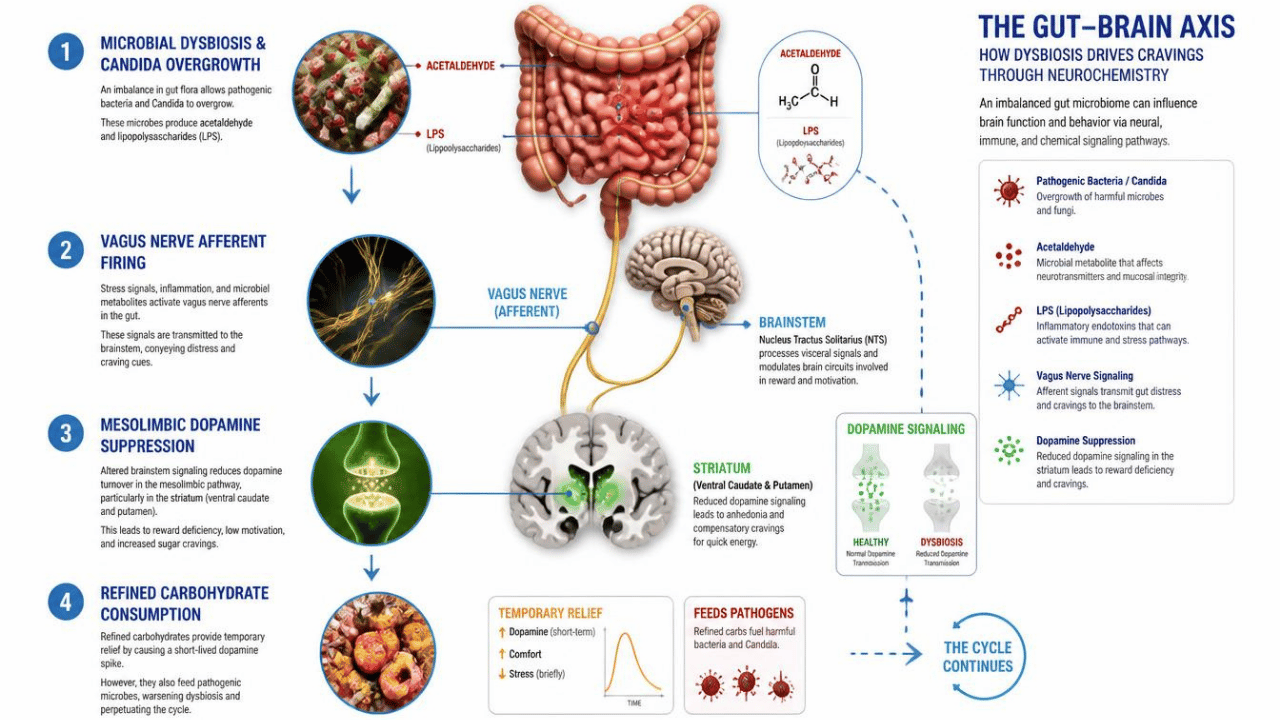
Figure 1: The Microbial Hijacking Loop — How enteric dysbiosis and Candida alter central dopamine receptors and drive compulsive eating.
Under conditions of microbial dysbiosis, opportunistic bacteria manipulate vagal firing rates to influence human feeding behavior. Certain bacterial species express specialized surface proteins that mimic hunger hormones, while others release systemic endotoxins like lipopolysaccharide (LPS). LPS impairs the blood-brain barrier and induces low-grade neuroinflammation within the hypothalamus, suppressing the brain’s ability to recognize satiety signals.
When harmful microbes are deprived of their preferred dietary substrates, they induce physical malaise, dysphoria, and acute digestive distress—symptoms that resolve only when the host consumes easily fermentable simple sugars, which frequently correlates with uncomfortable stomach bloating after eating.
2. Candida Overgrowth, Sugar Fermentation & Compulsive Feeding Loops
Among the opportunistic organisms residing in the human digestive tract, Candida albicans—a dimorphic fungal yeast—plays a direct role in driving refined carbohydrate addiction. In a balanced microbiome, Candida exists in low concentrations as a benign single-celled yeast, kept in check by competitive inhibition from beneficial Lactobacillus and Bifidobacterium strains.
When broad-spectrum antibiotics, chronic stress, or high-sugar diets compromise this bacterial defense, Candida undergoes a morphological shift into an invasive hyphal form, anchoring into the epithelial mucosa.
Candida albicans relies almost entirely on simple monosaccharides (glucose, fructose, and galactose) to fuel its metabolic activity and maintain its protective biofilm matrix. To force the host to supply these substrates, Candida secretes metabolic byproducts that disrupt central nervous system neurotransmission:
- Acetaldehyde Secretion: The primary byproduct of yeast sugar fermentation is acetaldehyde, an organic compound identical to the toxic intermediate of alcohol metabolism. Systemic absorption of acetaldehyde binds to red blood cells and brain receptors, causing cognitive fatigue, dizziness, and anxiety.
- Induction of False Hypoglycemia: Elevated acetaldehyde impairs insulin binding and cellular glucose uptake. This creates cellular energy starvation despite normal blood glucose levels, prompting the brain to trigger severe, urgent cravings for fast-acting simple carbohydrates.
- Neurochemical Reward Traps: When a sugar-dense meal is consumed, Candida metabolizes the incoming glucose, temporarily decreasing its production of toxic byproducts while the human host experiences a brief, dopamine-driven sense of relief.
This dynamic establishes a vicious feeding cycle. Restricting carbohydrates without addressing fungal biofilms often triggers intense withdrawal symptoms, fatigue, and severe cravings. As these yeast colonies ferment evening carbohydrate intake, they produce gas, leading to a visibly bloated stomach at night and nocturnal fermentation.
3. Serotonin, Dopamine & The Reward Deficiency Cycle
The neurochemical connection between the gut and brain centers on the production and regulation of two neurotransmitters: serotonin and dopamine. While the brain is commonly viewed as the source of neurotransmitters, approximately 90% of the body’s total serotonin and over 50% of its dopamine are synthesized within the gastrointestinal tract.
Specialized enterochromaffin (EC) cells embedded in the intestinal epithelium produce serotonin through the enzymatic conversion of the dietary amino acid L-tryptophan. In a healthy gut, commensal bacteria—specifically spore-forming clostridial species and Lactobacillus—release specific metabolic signals that upregulate the enzyme tryptophan hydroxylase 1 (TPH1), ensuring robust baseline serotonin synthesis. Serotonin regulates intestinal peristalsis, mucosal secretion, and, through vagal pathways, mood stabilization and impulse control.
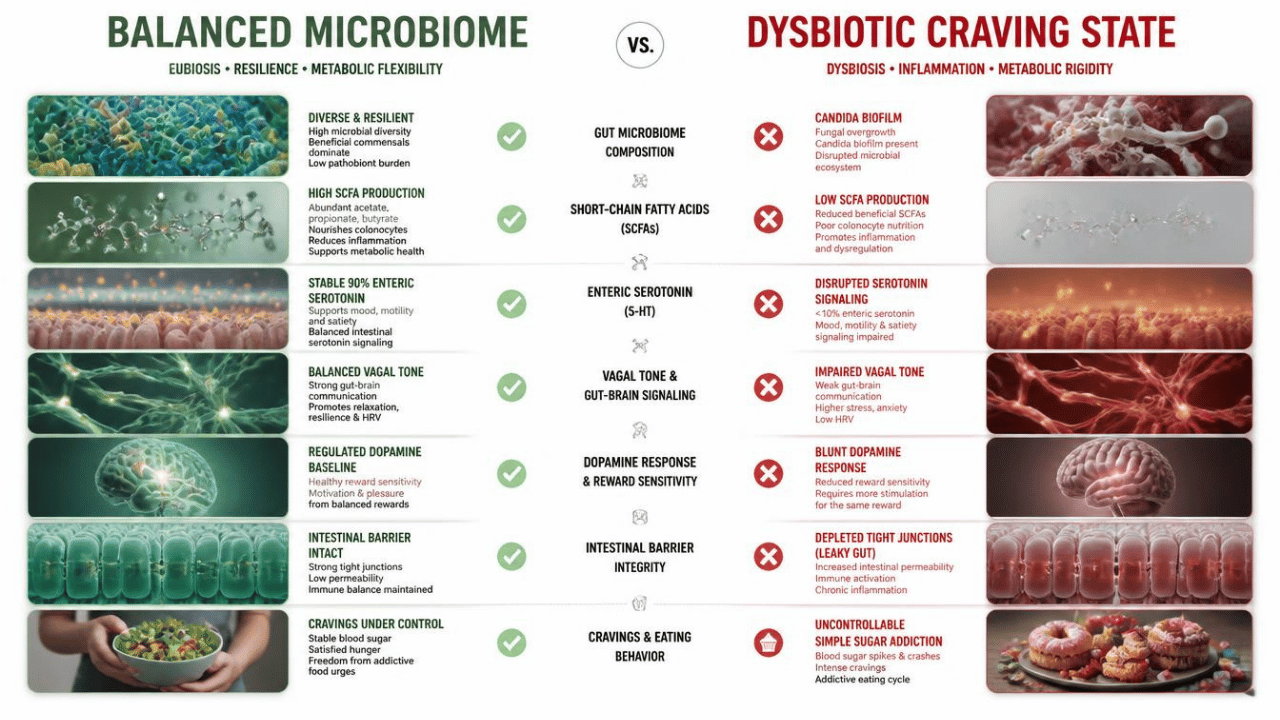
Figure 2: Neurochemical Signaling Comparison — Balanced Microbiome Homeostasis vs. Dysbiotic Craving Induction.
When chronic dysbiosis and mucosal inflammation take hold, this pathway is redirected. Inflammatory cytokines (such as Interleukin-6 and TNF-alpha) activate the alternative kynurenine pathway, diverting tryptophan away from serotonin production and converting it into neurotoxic quinolinic acid.
This drop in functional serotonin creates depressive mood states, emotional instability, and generalized anxiety. Because consuming refined carbohydrates stimulates a rapid, temporary rise in brain tryptophan transport via insulin elevation, individuals with depleted gut serotonin turn to binge eating and emotional snacking as an unconscious attempt at biochemical self-medication.
Simultaneously, chronic enteric dysbiosis compromises the mesolimbic dopamine pathway—the brain’s reward and motivation circuit:
- Dopamine Receptor Downregulation: Systemic circulation of bacterial endotoxins (LPS) downregulates Dopamine D2 receptor expression in the ventral striatum.
- Reward Deficiency Syndrome: With fewer active dopamine receptors, everyday activities fail to generate feelings of satisfaction or pleasure. The brain enters a reward deficiency state.
- Compulsive Consumption: To achieve a baseline dopamine threshold, the individual is compelled to seek out hyper-rewarding stimuli—namely foods rich in refined sugar and unhealthy fats—triggering compulsive emotional eating and deepening stress-induced bloating and vagus nerve dysfunction.
4. Clinical Protocol: Starving Dysbiosis, Restoring Dopamine & Resetting the Axis
Breaking free from microbial-driven sugar addiction requires a structured four-phase clinical intervention designed to remove opportunistic pathobionts, eliminate fungal biofilms, repair mucosal tight junctions, and restore balanced neurochemical signaling along the gut-brain axis.
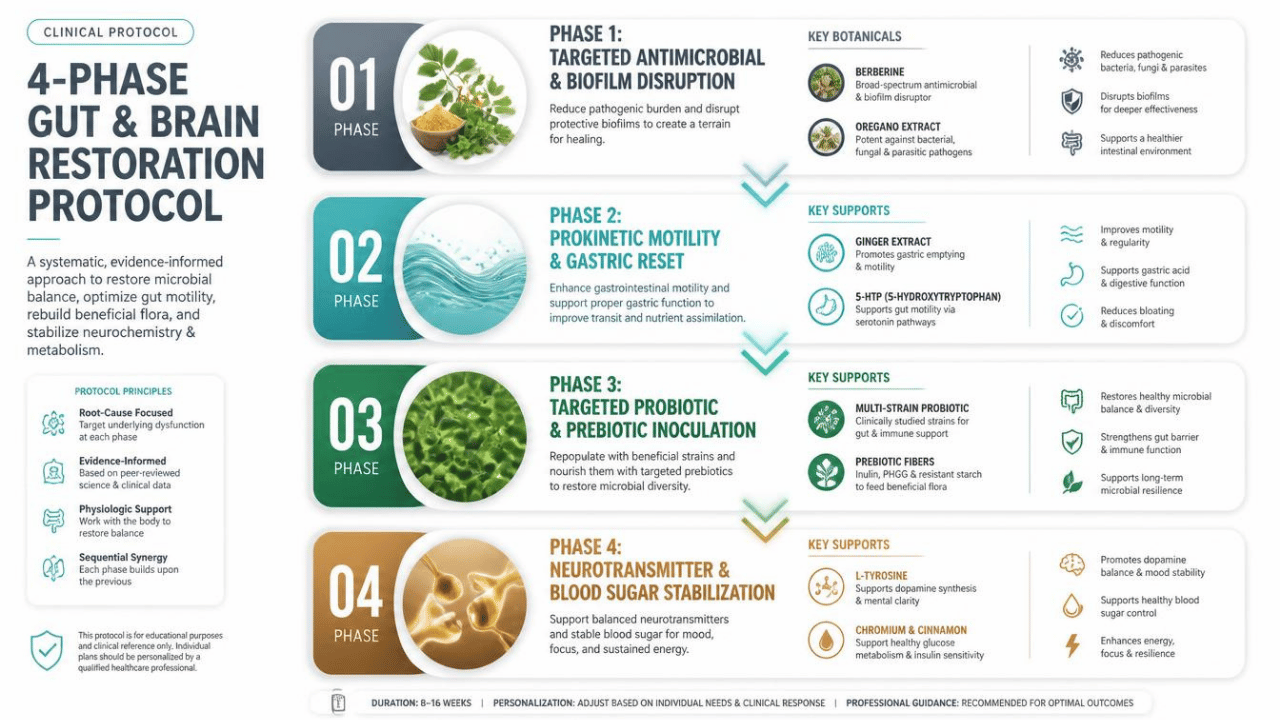
Figure 3: Clinical Protocol Flowchart — Multi-Phase Therapeutic Strategy for Eradicating Dysbiosis, Healing Mucosa, and Restoring Dopamine Satiety Pathways.
Phase 1: Selective Antimicrobial & Anti-Biofilm Therapy
Attempting to quit sugar abruptly without addressing opportunistic overgrowths often leads to severe cravings that cause dietary relapse. Targeted botanical antimicrobials help reduce dysbiotic populations without damaging beneficial commensal flora:
- Caprylic Acid & Oregano Oil: Standardized extracts containing carvacrol and caprylic acid disrupt the cell membranes of Candida albicans and break down protective bacterial biofilms.
- Berberine HCL: Administering 500 mg of berberine two to three times daily inhibits opportunistic yeasts and activates cellular AMPK switches, improving glycemic balance and blunting sugar cravings.
Phase 2: Restoring Downward Motility & Transit Regularity
Sluggish upper gastrointestinal transit allows fermentable starches to pool, providing sustained fuel for pathogenic microbes. Restoring regular migratory motor complex (MMC) activity ensures unabsorbed residues are swept into the lower colon, resolving delayed gastric emptying and stomach heaviness. Utilizing natural prokinetics such as gingerols and artichoke leaf extract promotes healthy downward motility and prevents upper GI bacterial stagnation.
Phase 3: Targeted Probiotic Inoculation & SCFA Production
To permanently suppress sugar-craving pathobionts, the colonic ecosystem must be populated with competitive, lactic acid-producing and butyrate-generating bacteria:
- Lactobacillus plantarum & Lactobacillus rhamnosus: Ingesting clinically verified, acid-resistant strains helps re-acidify the luminal environment, making the gut hostile to yeast overgrowth.
- Non-Fermentable Viscous Fibers: Introducing pure konjac glucomannan or psyllium husk provides structural satiety and generates SCFAs without triggering excessive gas production.
Phase 4: Neurotransmitter & Blood Sugar Stabilization
- L-Glutamine & Zinc Carnosine: Directly repair enterocyte tight junctions, halting systemic LPS endotoxin leakage into the bloodstream and restoring central dopamine D2 receptor sensitivity.
- Chromium Picolinate & Ceylon Cinnamon: Sensitize peripheral insulin receptors, preventing the reactive glycemic drops that trigger urgent brain-derived sugar cravings.
Frequently Asked Questions (FAQ)
1. How do gut bacteria physically make me crave sugar?
Gut bacteria synthesize neurochemical analogues and release metabolic byproducts like acetaldehyde and lipopolysaccharides (LPS). These compounds alter vagus nerve signaling, lower dopamine receptor sensitivity, and induce mild neuroinflammation, driving the brain to seek fast-acting carbohydrates to relieve discomfort and replenish cellular energy.
2. Is sugar addiction purely a psychological habit or a biological issue?
While psychological habits play a role, sugar addiction is strongly reinforced by biology. Chronic microbial dysbiosis, low-grade systemic endotoxemia, and depleted enteric serotonin create biological deficits in the brain's reward circuits, making hyper-palatable foods a physiological coping mechanism for low dopamine.
3. What role does Candida albicans play in carbohydrate cravings?
Candida albicans is an opportunistic yeast that depends on simple sugars for fuel and biofilm production. When overgrowing, it secretes acetaldehyde, which interferes with normal insulin signaling and causes functional cellular hypoglycemia, triggering sudden and intense sugar cravings.
4. How does the vagus nerve connect gut bacteria to the brain’s craving centers?
The vagus nerve is the primary neural link between the gut and brain, containing over 80% ascending (sensory) fibers. Bacterial metabolites and inflammatory signals stimulate vagal nerve endings in the gut wall, sending messages directly to the brainstem that alter mood, stress, and appetite.
5. Why is 90% of serotonin produced in the gut if it affects brain mood?
Enterochromaffin cells in the gut lining synthesize serotonin to regulate digestive motility, fluid secretion, and vascular tone. While gut serotonin does not directly cross the blood-brain barrier, it communicates with the central nervous system via vagal pathways, while the gut's health determines how much dietary tryptophan is available to enter the brain for central serotonin synthesis.
6. What happens to dopamine receptors during gut dysbiosis?
Circulating bacterial endotoxins like LPS cross compromised intestinal barriers and trigger low-grade neuroinflammation. This leads to the downregulation of Dopamine D2 receptors in the brain's striatum, creating a reward deficiency state where higher amounts of sugar are needed to experience satisfaction.
7. Can taking broad-spectrum antibiotics increase sugar cravings?
Yes. Broad-spectrum antibiotics reduce beneficial commensal bacteria, allowing opportunistic, sugar-fermenting yeasts like Candida to multiply rapidly. This shift often triggers sudden increases in carbohydrate cravings following antibiotic use.
8. How does gut-derived inflammation cause emotional eating?
Intestinal inflammation diverts the amino acid tryptophan away from serotonin production into the kynurenine pathway, reducing overall serotonin levels. This drop promotes anxiety and depressive symptoms, leading individuals to eat high-sugar foods to stimulate a temporary insulin-driven rise in brain tryptophan and short-term mood relief.
9. How long does it take to reset the gut microbiome and stop sugar cravings?
Initial reductions in craving intensity often occur within 7 to 14 days of eliminating refined sugars and starting targeted antimicrobial and prokinetic support. Full restoration of the microbiome and stabilization of neurotransmitter pathways typically takes 4 to 8 weeks.
10. What is the difference between true physiological hunger and a microbial craving?
True physiological hunger develops gradually, is accompanied by physical stomach emptiness, and is satisfied by a wide variety of whole foods. Microbial cravings appear suddenly, demand specific hyper-palatable or refined carbohydrate foods, and are often paired with brain fog, irritability, or fatigue.
11. Why do artificial sweeteners not stop microbiome-driven cravings?
Artificial sweeteners provide sweet taste without caloric or metabolic energy. Some non-nutritive sweeteners can disrupt gut bacterial composition, alter glucose tolerance, and fail to provide the metabolic feedback required to turn off brain reward signaling, leaving cravings active.
12. How does L-glutamine help reduce sugar cravings?
L-glutamine serves as a primary energy source for intestinal enterocytes, repairing damaged tight junctions and reducing systemic endotoxin (LPS) leakage. It can also be utilized directly by the brain as an alternative fuel source, helping smooth out acute glycemic drops and sugar cravings.
13. What is the "kynurenine pathway," and why does it matter for mood?
The kynurenine pathway is an alternative metabolic route for dietary tryptophan activated by systemic inflammation and dysbiosis. When active, it reduces the amount of tryptophan converted into serotonin and melatonin, directing it instead toward neurotoxic compounds that can worsen anxiety and mood instability.
14. Can probiotics alone cure sugar addiction?
Probiotics are a helpful component, but they are most effective as part of a comprehensive approach. Successfully resolving microbial sugar cravings requires removing fungal and bacterial overgrowths, repairing the intestinal barrier, maintaining steady downward motility, and balancing overall blood sugar levels.
15. How does chronic psychological stress worsen gut-driven food cravings?
Stress elevates systemic cortisol and activates the sympathetic nervous system, slowing digestive motility and reducing mucosal blood flow. This environment promotes dysbiosis and increases intestinal permeability, triggering endotoxemia and driving dopamine-seeking emotional eating behaviors.
Balancing the Axis for Lasting Freedom from Food Cravings
Overcoming chronic sugar addiction and compulsive eating requires shifting focus from willpower alone to biological restoration. When the intestinal microbiome is out of balance, opportunistic organisms and inflammatory metabolites can influence neurochemical pathways, driving cravings for hyper-palatable foods through vagal and dopamine circuits.
By using targeted botanical antimicrobials to clear opportunistic overgrowths, healing the gut lining to prevent endotoxemia, restoring healthy digestive motility, and nourishing beneficial commensal bacteria, you can re-establish balanced gut-brain communication. As your enteric ecosystem stabilizes, dopamine and serotonin pathways return to healthy baselines, eliminating intense sugar cravings and laying the groundwork for lasting metabolic health and emotional balance.
Recommended Reading
- Best Gut Health and Appetite Control Formulas in 2026: The Complete Guide – An evaluation of evidence-based multi-ingredient formulas combining probiotics, prebiotics, and metabolic botanicals to support systemic gut-barrier integrity.
- Stomach Bloating After Eating: Motility Failure vs Microbial Fermentation – Discover why postprandial distension occurs, the difference between impaired stomach emptying and colonic fermentation, and how to restore digestive motility.
- Food Sitting in Stomach for Hours? Delayed Gastric Emptying Symptoms & How to Speed Up Digestion – Explore the clinical drivers behind sluggish upper GI transit, antral hypomotility, and natural strategies to clear heavy stomach stagnation.
- Bloated Stomach at Night: Evening Distension, Overnight Stagnation & Motility Reset – Learn how nocturnal microbial fermentation and a suppressed migrating motor complex trigger severe evening bloat and how to reset your gut overnight.
keep reading
Gut Health & Supplements
DigestiStart Review: Can This Herbal Formula Help Restore Digestive Health & Relieve Bloating?
Gut Health & Supplements
The Ultimate Guide to GERD: Causes, Symptoms & Natural Relief
Gut Health & Supplements