
The 2026 Metabolic Protocol: Combining Microbiome Optimization, Berberine, and Natural GLP-1 Triggers for Sustainable Fat Loss
Learn how to optimize fat loss in 2026 by combining microbiome optimization, berberine AMPK activation, and prebiotic fibers to naturally stimulate endogenous GLP-1.

disclosure This article contains affiliate links. Purchases may earn us a commission at no extra cost to you. We only recommend products we've reviewed.
The 2026 Metabolic Protocol: Combining Microbiome Optimization, Berberine, and Natural GLP-1 Triggers for Sustainable Fat Loss
Sustainable weight management has undergone a profound scientific shift. The conventional paradigm of strict caloric restriction and stimulant-based thermogenics has been largely replaced by targeted metabolic endocrinology and enteric microbiome science. Modern clinical research shows that metabolic rate, adipose tissue partitioning, and appetite control are governed by physiological signaling loops involving gut barrier integrity, mitochondrial energy sensors, and endogenous incretin hormones.
While pharmacological GLP-1 receptor agonists have brought incretin science into the mainstream, relying exclusively on synthetic compounds carries clinical limitations, including lean muscle mass loss, gastrointestinal dysmotility, and rebound weight gain upon discontinuation.
The 2026 Metabolic Protocol offers an integrated, multi-target physiological alternative. By combining targeted microbiome remodeling, botanical AMPK activation via berberine, and natural incretin stimulation through viscous and prebiotic fibers, this approach addresses the underlying drivers of metabolic resistance, promoting steady fat loss while preserving metabolic health.
1. The Core Triad of Natural Metabolic Regulation
Achieving healthy metabolic function requires addressing three foundational biological systems simultaneously rather than manipulating a single receptor in isolation.
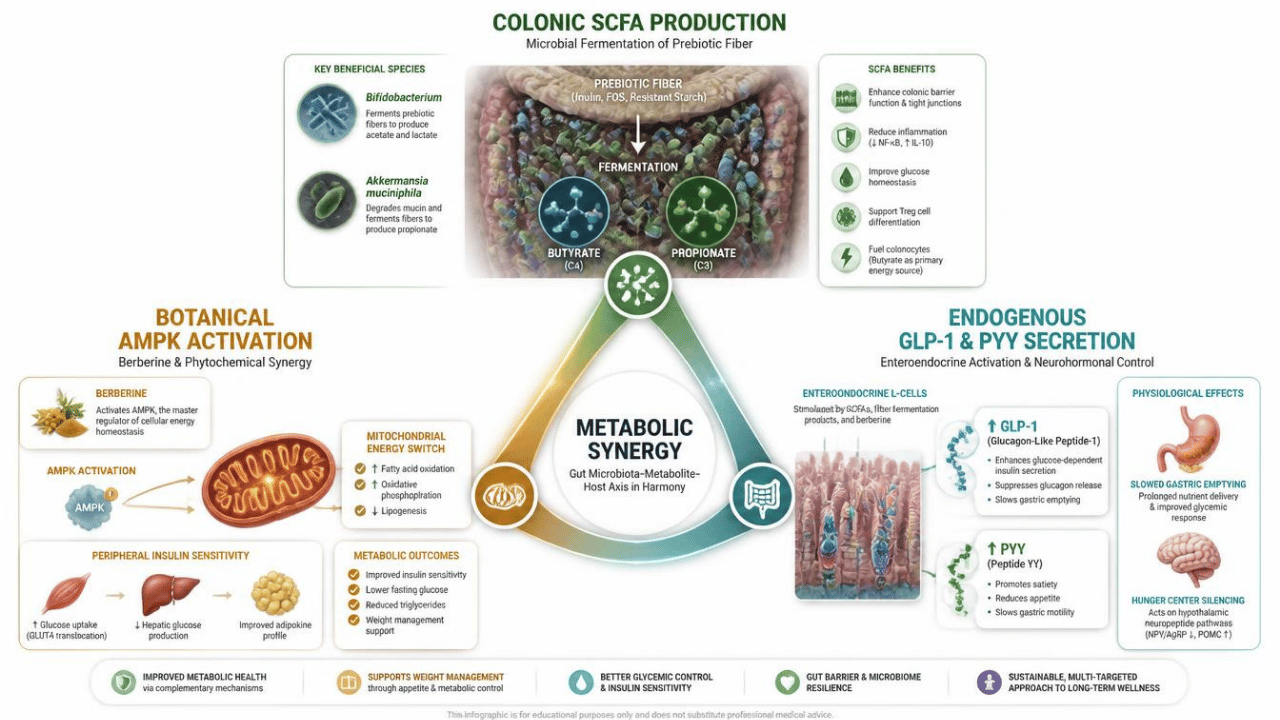 Figure 1: The Metabolic Synergy Triad — How colonic fermentation, cellular AMPK signaling, and incretin hormones combine to optimize fat oxidation.
Pillar 1: Colonic Fermentation and Enteric Barrier Integrity
A damaged or dysbiotic intestinal mucosal barrier allows inflammatory endotoxins (lipopolysaccharides, or LPS) to leak into portal circulation. This metabolic endotoxemia triggers systemic low-grade inflammation, interferes with insulin receptor signaling in skeletal muscle, and suppresses hepatic fat oxidation. Populating the colon with mucin-degrading and butyrate-producing commensal strains, particularly Akkermansia muciniphila and Faecalibacterium prausnitzii, restores gut tight junction integrity, reducing baseline inflammation and preventing persistent stomach bloating after eating.
Pillar 2: Cellular AMPK Activation and Glycemic Control
AMP-activated protein kinase (AMPK) serves as the master energy-sensing enzyme within human cells. When activated, AMPK prompts tissues to shift from fat storage to active fuel consumption, stimulating mitochondrial biogenesis, increasing glucose transporter type 4 (GLUT4) translocation, and inhibiting hepatic gluconeogenesis independently of systemic insulin surges.
Pillar 3: Endogenous Incretin Release (GLP-1 & PYY)
Rather than introducing supraphysiological synthetic peptide levels that can overwhelm gastrointestinal motility, the natural protocol stimulates enteroendocrine L-cells located in the distal ileum and colon. Fermentable prebiotics and high-viscosity hydrocolloids activate cell-surface Free Fatty Acid Receptors (FFAR2 and FFAR3), initiating the coordinated endogenous co-secretion of GLP-1 and Peptide YY to naturally extend satiety and modulate digestive transit.
2. Berberine & AMPK Activation: Upgrading Cellular Fuel Utilization
Berberine is a natural isoquinoline alkaloid extracted from plants such as Berberis aristata and Coptis chinensis. In metabolic medicine, berberine acts as a potent botanical activator of cellular energy pathways.
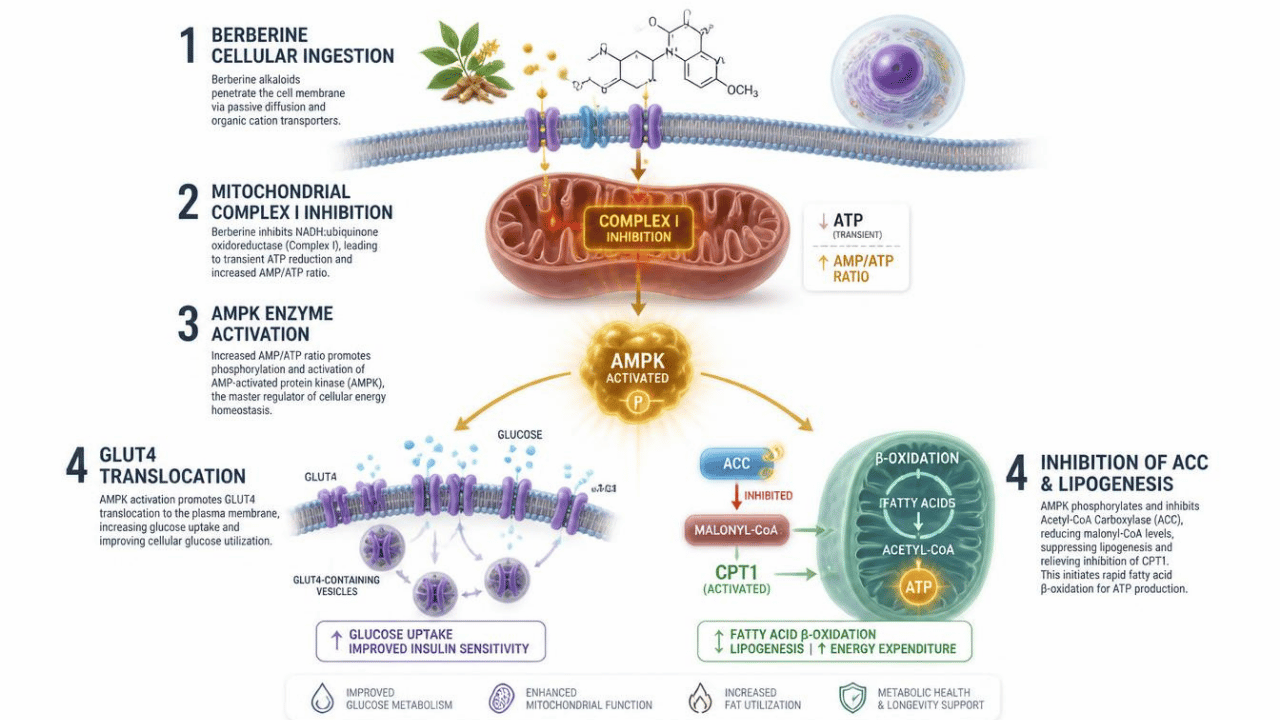
Figure 2: Cellular Energy Pathways — Berberine-Mediated AMPK Activation, GLUT4 Translocation, and Lipogenesis Inhibition.
At the cellular level, berberine causes a mild, transient inhibition of Complex I in the mitochondrial electron transport chain. This shifts the intracellular energy balance, raising the AMP-to-ATP ratio. In response, the cell activates AMPK, initiating several downstream metabolic adaptations:
- Insulin-Independent Glucose Disposal: AMPK stimulates the migration of GLUT4 glucose transporters directly to the cell membrane in skeletal muscle tissue, facilitating glucose uptake from the bloodstream without requiring high circulating insulin levels.
- Upregulation of Fatty Acid Oxidation: Activated AMPK phosphorylates and deactivates Acetyl-CoA Carboxylase (ACC), lowering malonyl-CoA levels and allowing fatty acids to enter mitochondria for beta-oxidation.
- Suppression of Hepatic Lipogenesis: Berberine downregulates key lipogenic transcription factors (including SREBP-1c), reducing the liver's synthesis of new triglycerides and low-density lipoproteins.
In addition to its cellular effects, berberine interacts synergistically with the gut microbiome. Although its oral bioavailability is relatively low, berberine concentrates within the intestinal lumen, where it exerts selective antimicrobial effects against opportunistic, sugar-craving pathobionts while supporting the growth of beneficial, short-chain fatty acid-producing bacteria.
This dual action helps stabilize post-meal glucose and supports healthy upper gastrointestinal movement, relieving issues associated with delayed gastric emptying and stomach heaviness.
3. The Daily 24-Hour Metabolic Protocol Structure
To maximize the synergistic benefits of microbiome remodeling, AMPK activation, and natural GLP-1 release, therapeutic interventions should be synchronized with the body's natural circadian rhythms and digestive cycles.
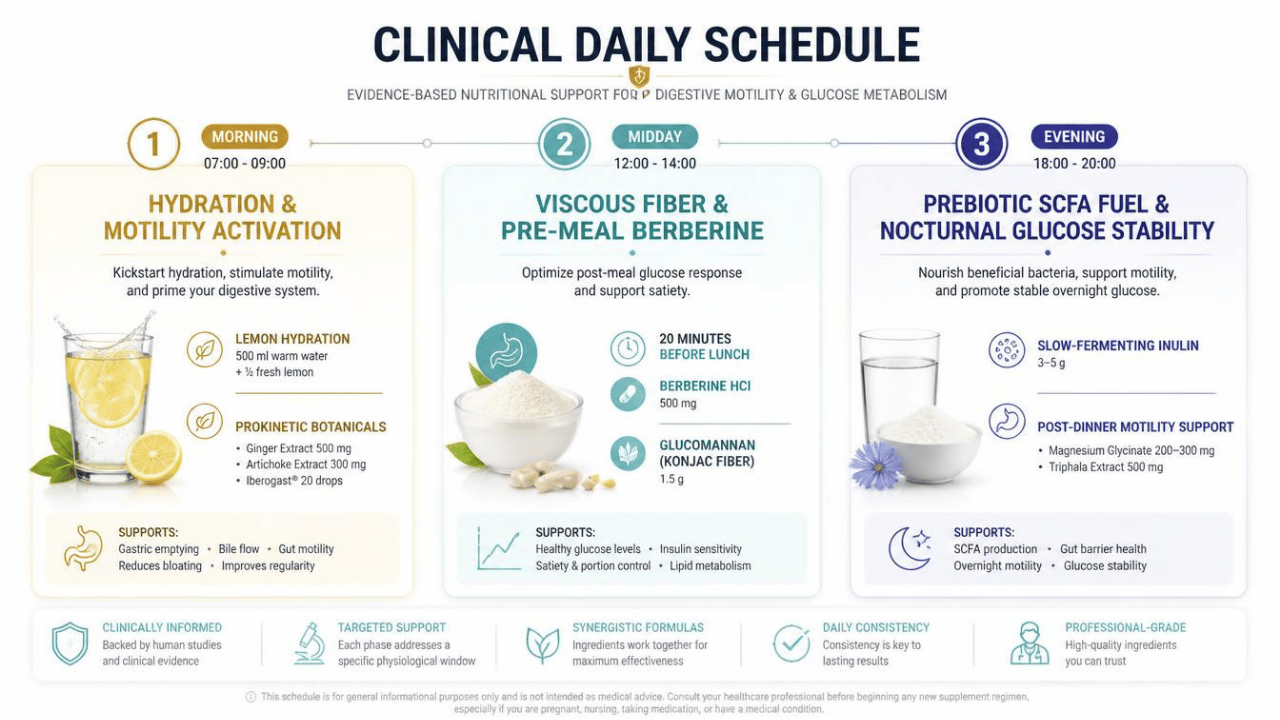 Figure 3: The 24-Hour Clinical Schedule — Synchronizing metabolic botanicals, meal timing, and intestinal motility with circadian rhythms.
Phase 1: Morning Metabolic Priming (07:00 – 09:00)
- Hydration & Electrolytes: Consume 400 to 500 mL of filtered room-temperature water with a pinch of unrefined sea salt to support cellular hydration and adrenal tone.
- Prokinetic Motility Support: Take a botanical prokinetic combining standardized ginger extracts and artichoke leaf extract to activate the Migrating Motor Complex (MMC), clearing residual waste from the small intestine before the first meal.
- Polyphenol Inoculation: Drink organic green tea (rich in EGCG) or unrefined yerba mate to stimulate early fatty acid oxidation and provide antioxidant support for beneficial gut bacteria.
Phase 2: Midday Metabolic Shield (12:00 – 14:00)
- Pre-Meal Viscous Hydrocolloid: Take 1.0 to 1.5 grams of high-purity konjac glucomannan with a full 350 mL glass of water 20 minutes before lunch. This creates early gastric distension, blunting ghrelin surges.
- Cellular Glucose Defense: Ingest 500 mg of standardized Berberine HCL alongside the first bite of a balanced meal containing dietary protein, healthy lipids, and fibrous carbohydrates. Berberine blunts postprandial glucose excursions and activates muscle AMPK during nutrient absorption.
Phase 3: Evening Satiety & Colonic Fermentation (18:00 – 20:00)
- Prebiotic Fermentable Fiber: Consume 3 to 5 grams of prebiotic chicory root inulin or partially hydrolyzed guar gum (PHGG) mixed into water or food. As these fibers reach the distal colon, anaerobic bacteria ferment them into butyrate and propionate, stimulating overnight GLP-1 and PYY release.
- Second Berberine Administration: Take an optional second 500 mg dose of berberine with the evening meal for individuals focused on managing postprandial glucose and improving overnight metabolic balance.
- Nocturnal Motility Window: Finish all food consumption at least 3 hours before sleep to allow the digestive tract to clear, preventing bloated stomach at night and nocturnal fermentation.
4. Overcoming Metabolic Adaptation & Sustaining Long-Term Results
A common challenge in traditional fat loss programs is metabolic adaptation—the adaptive downregulation of basal metabolic rate (BMR) and leptin output that occurs during sustained caloric restriction. When the body senses prolonged energy deficits, it lowers thyroid hormone conversion (T4 to T3), decreases resting energy expenditure, and elevates appetite-stimulating neurochemical cues.
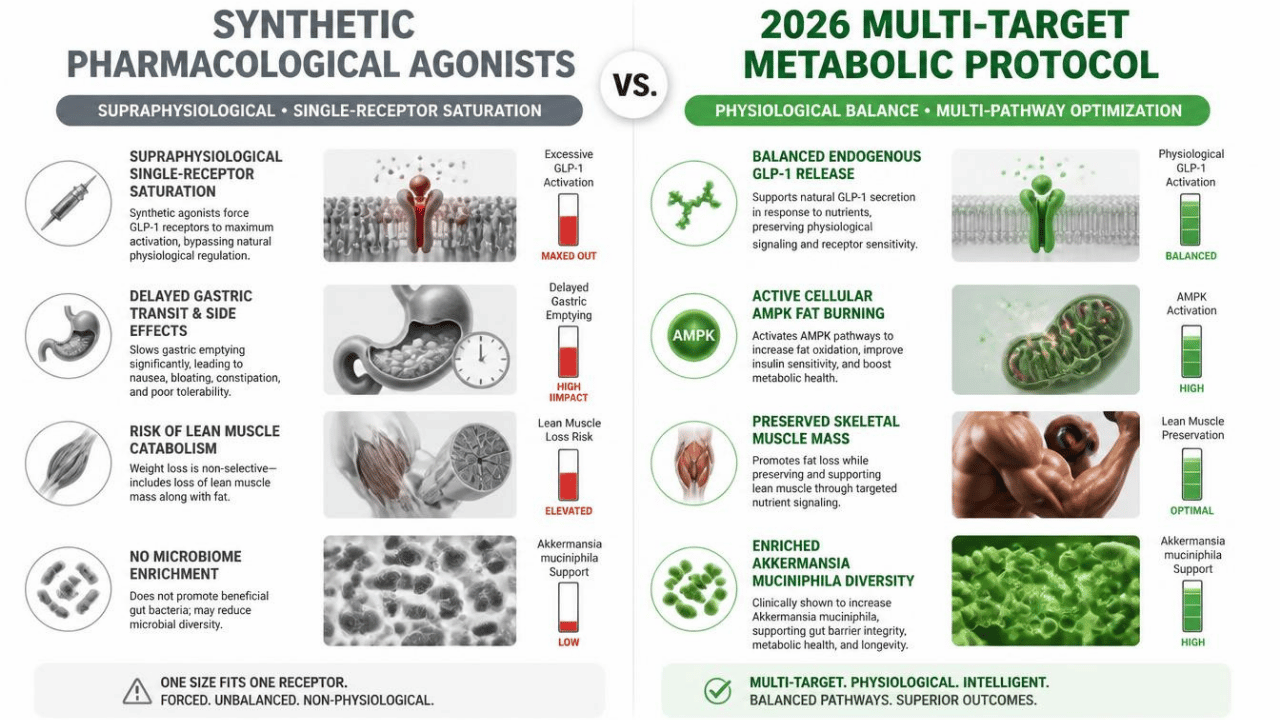 Figure 4: Comparative Metabolic Pathways — Single-Target Synthetic Incretins vs. Multi-Target Systemic Remodeling.
The 2026 Metabolic Protocol addresses this adaptation through multi-target physiological support:
- Preserving Lean Skeletal Muscle: Unlike single-target incretin approaches that can accelerate lean tissue catabolism alongside fat loss, activating cellular AMPK alongside adequate dietary protein (1.6 to 2.2 g/kg of target body weight) preserves muscular protein synthesis and maintains baseline metabolic output.
- SCFA-Driven Mitochondrial Density: Butyrate and propionate produced during colonic fermentation bind to cell-surface receptors that promote mitochondrial biogenesis in brown adipose tissue (BAT) and skeletal muscle, sustaining daily energy expenditure.
- Vagal Tone and Neurochemical Resilience: Nourishing beneficial gut bacteria supports enteric serotonin synthesis and maintains balanced vagal signaling, reducing stress-driven cortisol elevations that can trigger stress-induced bloating and vagus nerve dysfunction.
Frequently Asked Questions (FAQ)
1. What is the difference between synthetic GLP-1 medications and this natural metabolic protocol?
Synthetic GLP-1 medications introduce external, high-potency peptide analogues that saturate GLP-1 receptors systemically. The natural protocol uses prebiotic fibers, botanical AMPK activators, and short-chain fatty acids to stimulate the body’s own enteroendocrine L-cells to produce physiological levels of endogenous GLP-1 and PYY alongside balanced metabolic pathways.
2. Can I take berberine and viscous fiber at the exact same time?
It is best to separate them slightly. Take viscous fiber (like glucomannan) 20 minutes prior to eating with a large glass of water so it can expand in the stomach. Take berberine with your first few bites of food to optimize its blunting effect on postprandial glucose and minimize digestive sensitivity.
3. How quickly does berberine start activating cellular AMPK?
Berberine begins interacting with intestinal tissue and entering portal circulation within 30 to 60 minutes of ingestion, blunting post-meal glucose spikes during active digestion. Systemic improvements in baseline insulin sensitivity and metabolic flexibility typically build over 4 to 8 weeks of consistent use.
4. Why is Akkermansia muciniphila critical for natural metabolic health?
Akkermansia muciniphila is a specialized mucin-degrading bacterium that strengthens the gut's protective mucosal layer. High levels of Akkermansia correlate with lower systemic inflammation, improved insulin sensitivity, and higher endogenous GLP-1 secretion from intestinal L-cells.
5. How much water is required when taking glucomannan and inulin?
Glucomannan requires at least 250 to 400 mL (8–12 oz) of pure water per gram to safely hydrate and expand within the gastric cavity. Prebiotic inulin dissolves easily in 200 to 300 mL of water or liquid. Maintaining adequate total hydration throughout the day is essential for comfortable digestion.
6. Can this protocol cause gastrointestinal side effects like bloating or gas?
Introducing prebiotic fibers or berberine too rapidly can cause transient mild bloating or loose stools as the microbiome adjusts. Starting with lower doses of inulin (1 to 2 grams daily) and titrating upward over two to three weeks allows commensal bacterial populations to adapt smoothly.
7. Does berberine negatively impact beneficial gut bacteria?
No. While berberine exhibits selective antimicrobial actions against pathogenic and opportunistic bacteria, research indicates it supports beneficial taxa, including Akkermansia, Bifidobacterium, and short-chain fatty acid producers.
8. How does short-chain fatty acid production stimulate natural GLP-1 release?
When commensal bacteria ferment prebiotic fibers, they generate acetate, propionate, and butyrate. These SCFAs bind to Free Fatty Acid Receptors 2 and 3 (FFAR2/3) on the surface of enteroendocrine L-cells, triggering the cellular synthesis and secretion of active GLP-1 into local circulation.
9. Can I follow this protocol while practicing intermittent fasting?
Yes. This protocol pairs effectively with time-restricted feeding windows (such as 16:8). Morning prokinetics and hydration can be taken during the fasting window, while viscous fibers, berberine, and prebiotics are integrated around your feeding meals.
10. How does maintaining lean muscle protect metabolic rate during fat loss?
Skeletal muscle is the primary site for insulin-mediated glucose disposal and resting energy expenditure. Maintaining adequate daily protein intake and resistance training alongside AMPK activation ensures that weight loss comes predominantly from adipose tissue rather than metabolically active lean muscle.
11. Is it safe to take berberine long-term?
Berberine has a strong safety profile in clinical trials. Many practitioners recommend cycling berberine (e.g., 8 to 12 weeks of consistent intake followed by a 2- to 4-week break) to evaluate baseline metabolic markers and allow the enteric ecosystem to maintain its natural equilibrium.
12. How does metabolic endotoxemia interfere with fat loss?
When lipopolysaccharides (LPS) from inflammatory bacteria leak through a compromised gut wall into the bloodstream, they bind to Toll-Like Receptor 4 (TLR4) on cells throughout the body. This triggers systemic inflammation, reduces insulin receptor sensitivity, and impairs mitochondrial fat burning.
13. What whole foods naturally provide the best prebiotic fibers for this protocol?
Excellent dietary sources of fermentable prebiotics include cooked and cooled potatoes or rice (resistant starch), raw chicory root, Jerusalem artichokes, garlic, leeks, onions, green bananas, and lightly steamed asparagus.
14. What are the signs that my metabolic flexibility is improving?
Key indicators of improved metabolic flexibility include sustained, stable physical energy between meals, the absence of acute mid-afternoon fatigue or brain fog, reduced cravings for refined sugars, and steady body composition improvements.
15. How long should I follow the 2026 Metabolic Protocol before evaluating results?
Initial improvements in digestion, post-meal energy stability, and appetite control often appear within the first 10 to 14 days. Measurable improvements in body composition, fasting glucose, and metabolic markers typically stabilize across an 8- to 12-week protocol.
Sustaining Lifelong Metabolic Health and Metabolic Flexibility
Achieving sustainable fat loss and metabolic vitality is not about severe caloric deprivation; it is about restoring the body's natural physiological signaling systems. By addressing gut barrier integrity, activating cellular energy sensors, and supporting the natural release of satiety hormones, you create an internal environment that supports healthy energy expenditure and appetite control.
The 2026 Metabolic Protocol provides a comprehensive, science-backed approach to metabolic wellness. Combining the cellular energy activation of berberine, the mechanical and endocrine benefits of viscous and prebiotic fibers, and targeted microbiome support allows you to achieve lasting metabolic balance, steady daily energy, and sustainable fat loss naturally.
Recommended Reading
- Best Gut Health and Appetite Control Formulas in 2026: The Complete Guide – An evaluation of evidence-based multi-ingredient formulas combining probiotics, prebiotics, and metabolic botanicals to support systemic gut-barrier integrity.
- Stomach Bloating After Eating: Motility Failure vs Microbial Fermentation – Discover why postprandial distension occurs, the difference between impaired stomach emptying and colonic fermentation, and how to restore digestive motility.
- Food Sitting in Stomach for Hours? Delayed Gastric Emptying Symptoms & How to Speed Up Digestion – Explore the clinical drivers behind sluggish upper GI transit, antral hypomotility, and natural strategies to clear heavy stomach stagnation.
- Bloated Stomach at Night: Evening Distension, Overnight Stagnation & Motility Reset – Learn how nocturnal microbial fermentation and a suppressed migrating motor complex trigger severe evening bloat and how to reset your gut overnight.
keep reading
Gut Health & Supplements
DigestiStart Review: Can This Herbal Formula Help Restore Digestive Health & Relieve Bloating?
Gut Health & Supplements
The Ultimate Guide to GERD: Causes, Symptoms & Natural Relief
Gut Health & Supplements