
How to Tell If You Have a Digestive Enzyme Deficiency (Symptoms, Causes & At-Home Self-Assessment)
Learn how to identify symptoms of digestive enzyme deficiency, understand the root causes, and try a 3-part at-home self-assessment before seeking clinical testing.
disclosure This article contains affiliate links. Purchases may earn us a commission at no extra cost to you. We only recommend products we've reviewed.
How to Tell If You Have a Digestive Enzyme Deficiency (Symptoms, Causes & At-Home Self-Assessment)
Building upon our complete guide to digestive enzymes, the next critical step in restoring gastrointestinal wellness is determining if your body is actively secreting adequate concentrations of these vital biocatalysts. Digestive enzyme deficiency is a vastly underdiagnosed condition, yet it is a primary driver of chronic postprandial distress.
Whether you are managing chronic bloating, audible rumbling, alternating stool consistency, or simply feeling heavy after every meal, identifying functional insufficiency is essential. This article analyzes the specific red flag symptom clusters, explores the primary medical and lifestyle causes, and provides a structured clinical framework for an at-home self-assessment to evaluate endogenous enzyme deficits.
1. Symptom Cluster Analysis: Recognizing the Red Flags
Digestive enzyme deficiency manifests through functional malabsorption: food macronutrients are not broken down into their individual amino acids, fatty acids, and simple monosaccharides. Instead, these complex molecules remain intact in the upper intestine, drawing in fluid (osmotic shift) and fueling explosive bacterial fermentation.
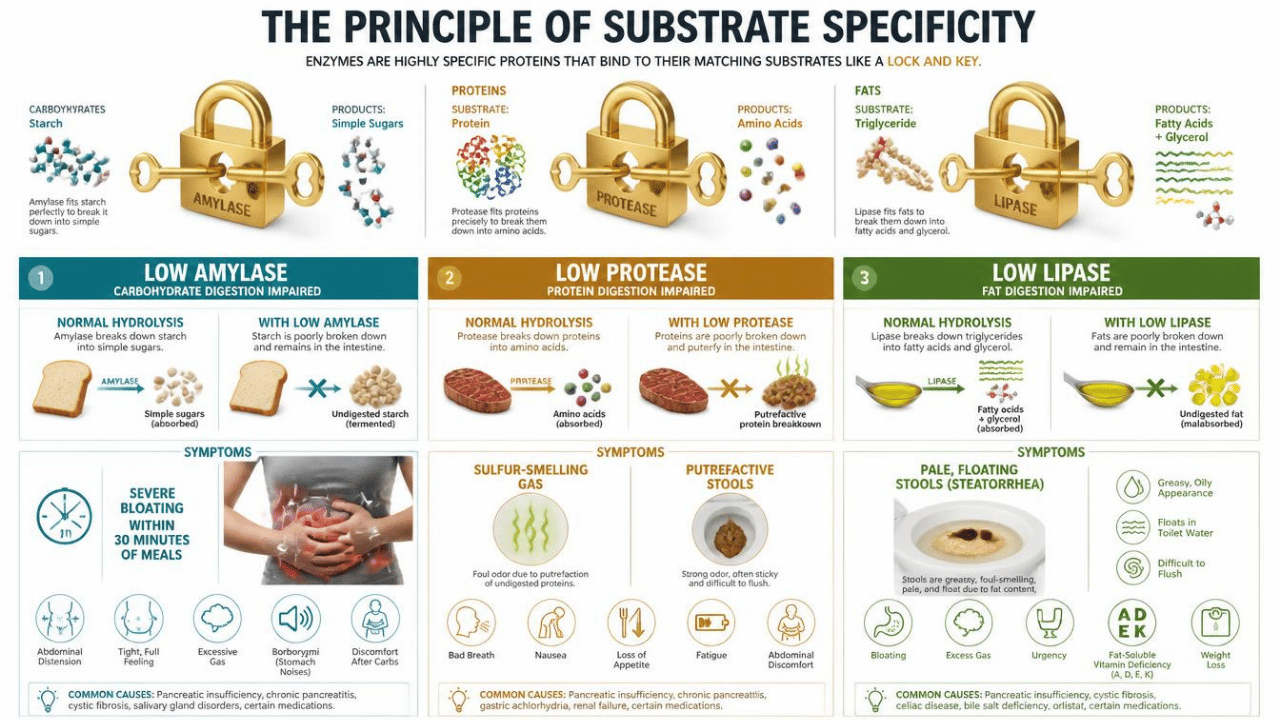
Figure 1: The Principle of Specificity — substrate targets vs. the distinct "Red Flag" symptoms of functional failure.
The resulting symptoms often appear in characteristic clusters based on which enzyme class is most deficient:
- Protease Deficit (Putrefactive Breakdown): When proteins go undigested, putrefactive bacteria ferments them, generating potent nitrogenous and sulfur compounds. This manifests as foul-smelling, sulfurous gas, and stools that smell unusually strong.
- Lipase Deficit (Fat Malabsorption): Without lipase, fats remain systemic. Stools become pale, unusually large, and visibly greasy, often floating in the water due to high lipid content (steatorrhea). They may also have visible undigested food particles.
- Amylase & Carbohydrase Deficit (Carb Fermentation): Unabsorbed carbs are rapid fuel for gas-producing bacteria. Symptoms include intense, generalized abdominal distension and cramping, often paired with rapid bloated stomach at night and nocturnal fermentation.
2. Root Causes: Why Endogenous Enzyme Output Fails
Understanding why your body’s natural secretion is compromised determines the course of therapy. Functional deficits can range from subclinical stress to serious pancreatic diseases.
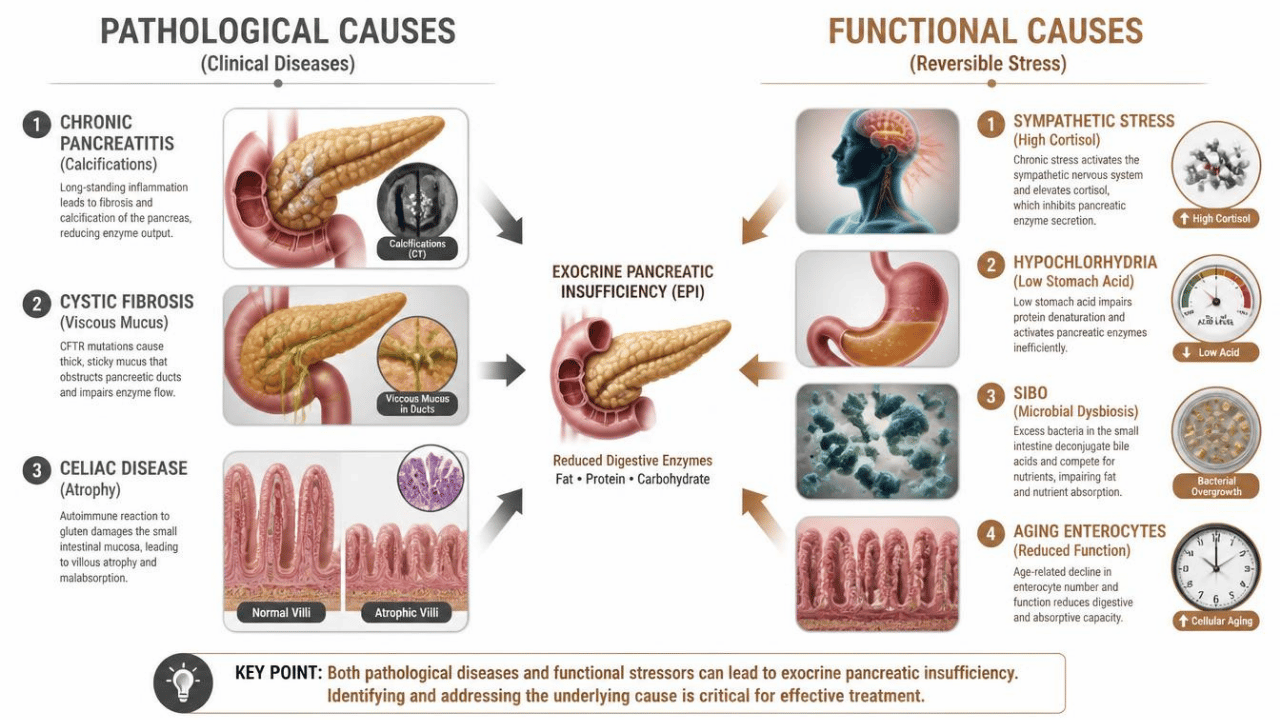 Figure 2: The Two Faces of Insufficiency — Pathological Disease vs. Reversible Functional Stress.
Causa #1: Functional Insufficiency (Reversible Stressors)
- Chronic Sympathetic Dominance (Stress): Digestion is a parasympathetic process ("rest and digest"). Chronic activation of the "fight or flight" response reduces mucosal blood flow and directly suppresses the release of vagal inputs that stimulate enzyme production.
- Low Stomach Acid (Hypochlorhydria): Healthy digestive enzymes are hydrochloric acid-dependent catalysts. Inadequate gastric acid levels fail to denature proteins and trigger the subsequent hormonal cascade (CCK and secretin) required for pancreatic enzyme secretion, exacerbating delayed gastric emptying and stomach heaviness.
- Brush Border Atrophy: Chronic inflammation from celiac disease, SIBO, or generalized dysbiosis can flatten the enterocyte villi, depleting the dissacharidases (lactase, sucrase) that reside on their tips.
Causa #2: Pathological Causes (Clinical Disease)
- Exocrine Pancreatic Insufficiency (EPI): The acinar cells of the pancreas are damaged and cannot produce adequate protease, lipase, or amylase. EPI is caused by chronic pancreatitis, cystic fibrosis, advanced diabetes, or prior pancreatic surgery.
- Gallbladder Removal (Cholecystectomy): The gallbladder stores and concentrates bile. Its removal results in a continuous trickle of dilute bile, leading to fat malabsorption, greasy stools, and functional lipase insufficiency when fatty meals are consumed.
3. At-Home Self-Assessment: Evaluating Enzyme Deficits functionally
A definitive clinical diagnosis requires laboratory testing, but a structured functional assessment can provide high probability data before pursuing expensive medical evaluations.
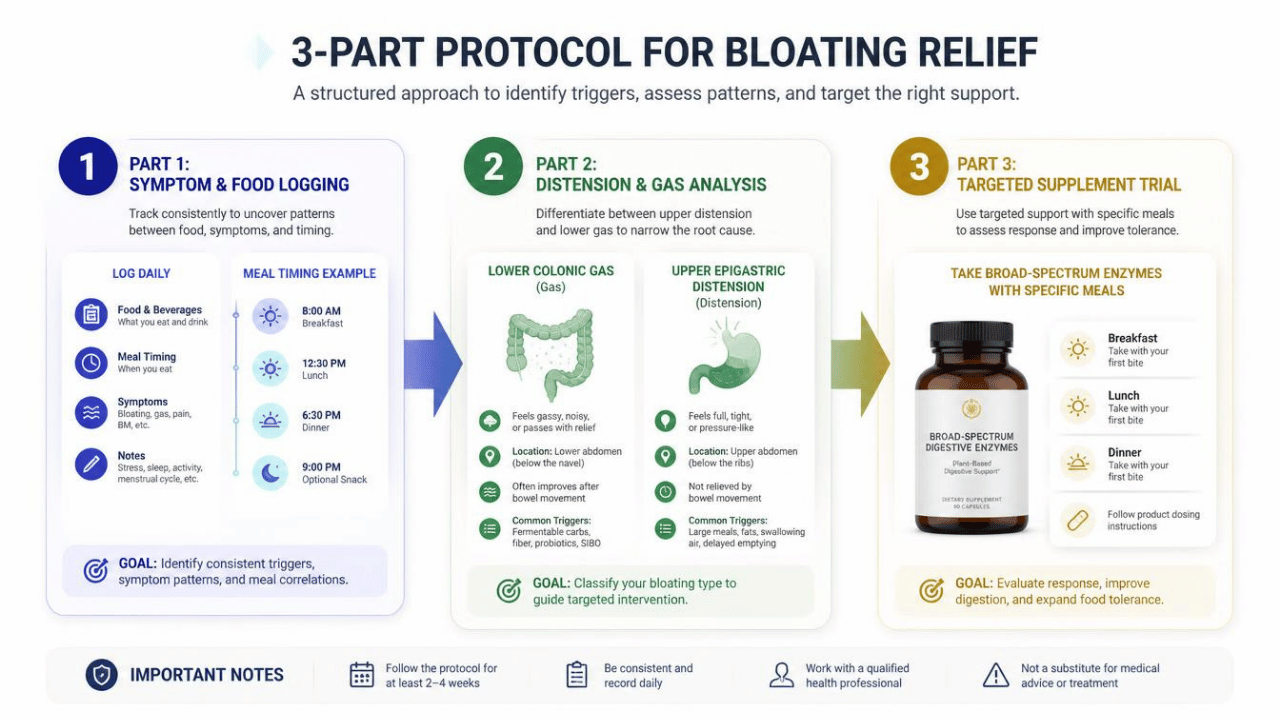
Figure 3: Clinical Protocol Flowchart — Structured 3-Part At-Home Functional Self-Assessment for Endogenous Enzyme Deficits.
Part 1: Symptom & Timing Log (10 Days)
Log everything for ten days. For every meal, record the time consumed, the primary food types (carbs, protein, fat), and any symptoms that occur within 2 hours.
- Look for Timing Patches: If intense bloating or upper abdominal tightness begins within 30 to 90 minutes of carbohydrate-heavy or large meals, it points to upper GI amylase or protease failure. If bloating occurs 3+ hours later in the lower abdomen, it may indicate colonic fermentation from delayed breakdown.
Part 2: Gas & Stool Quality Analysis
- Gas Profile: Characterize your post-meal gas. Is it silent and odorless (simple carb fermentation)? Is it resonant with significant rumble but neutral smell (fiber fermentation)? Is it sulfurous or foul-smelling (protein putrefaction)?
- Stool Profiles: Review Part 1 log. Greasy or pale stools that float consistently indicate lipase deficiency. If stool consistently contains large visible food fragments (other than corn), it suggests generalized enzyme insufficiency or hypochlorhydria.
Part 3: The Targeted Enzyme Trial (10 Days)
Once you have ten days of baseline data, select a broad-spectrum, fungal-derived digestive enzyme formula (acid-stable and broad-pH) and execute a structured trial.
- Standardization: Take 1 capsule with the first bites of every meal for ten consecutive days. Do not change your diet.
- Comparative Logging: Maintain the identical log as in Part 1. For every meal, record symptom severity (1–10). After ten days, compare the two logs. A measurable reduction (>30%) in bloating, abdominal heaviness, or gas during the trial phase provides high functional probability data that endogenous enzymes are deficient.
4. Clinical Evaluation & Medical Testing
If the at-home self-assessment provides strong probability data, or if symptoms are severe and unexplained, consult a gastroenterologist for formal medical testing. Formal testing is particularly important for differentiating enzyme deficits from concurrent issues like stomach bloating after eating.
- Fecal Elastase-1 (FE-1): The current clinical gold standard test for EPI. It measures the concentration of human elastase-1 (a stable pancreatic protease) in the stool. Levels below 200 $\mu$g/g confirm insufficiency; levels below 100 $\mu$g/g are severe.
- Fecal Fat (72-Hour collection): Measures the total lipid output in the stool over three days. Elevated fecal fat indicates severe functional malabsorption, but doesn't specify if the cause is low lipase, poor bile output, or mucosal damage.
- Pancreatic Function Test (PFT): A complex hospital procedure where pancreatic enzyme output is measured directly from the duodenum after hormonal stimulation (secretin or CCK). Used for complex, unexplained cases.
Frequently Asked Questions (FAQ)
1. How do I distinguish between low stomach acid and low digestive enzymes?
They often co-exist and share symptoms like post-meal heaviness and bloating. Low stomach acid (hypochlorhydria) typically causes immediate fullness and acidic burps, and is often paired with poor protein digestion. It also fails to trigger the subsequent pancreatic enzyme release. Targeted supplementation with both betaine HCl (HCl) and broad-spectrum enzymes with meals can help functionally assess which provides greater relief.
2. Are visible food particles in the stool a definitive sign of enzyme deficiency?
While visible particles (excluding indigestible corn hulls) often occur with generalized enzyme insufficiency or low stomach acid, they are not definitive. Poor mastication (not chewing food thoroughly) or rapid colonic transit can also cause this symptom.
3. Why does stress lower my digestive enzyme production?
Digestive processes are controlled by the parasympathetic nervous system ("rest and digest"). Chronic sympathetic stress (high cortisol, "fight or flight") restricts blood flow to the mucosal wall and suppresses vagal nerve inputs, inhibiting the release of endogenous enzymes and gastric acid.
4. Can an at-home symptom quiz provide a definitive diagnosis?
No. An at-home structured quiz provides high probability data that a functional deficit exists, but it cannot diagnose specific pathological diseases like exocrine pancreatic insufficiency (EPI). A definitive medical diagnosis requires clinical testing.
5. Are pale, floating stools always a sign of lipase deficiency?
Yes, pale, large, and greasy stools that consistently float are classic signs of steatorrhea (fat malabsorption), directly indicating functional lipase insufficiency, poor bile flow, or mucosal barrier damage.
6. Do the results of the "enzyme trial" mean I must always supplement?
Not necessarily. A successful enzyme trial means your symptoms were caused by insufficient endogenous output. If the cause is functional (stress, SIBO, low acid), you may only need targeted supplementation during repair before output returns to normal baseline levels. Pathological causes may require long-term PERT.
7. Why is upper epigastric distension a red flag for enzyme deficits?
Unlike colonic fermentation, which causes lower abdominal gas hours later, functional enzyme insufficiency causes rapid bacterial fermentation of starches and proteins that pool in the upper small intestine within 30 to 90 minutes, leading to rapid distension and tightness right after eating.
8. Is there a difference between functional enzyme insufficiency and EPI disease?
Yes. Functional insufficiency is a dynamic state where output is low due to reversible stressors (SIBO, stress). EPI is a progressive clinical disease where acinar cell damage systemically impairs all pancreatic enzyme production, typically requiring specialized PERT.
9. Can intestinal inflammation (Celiac, dysbiosis) cause enzyme deficits?
Yes. Dissacharidases (lactase, sucrase) reside on the very tips of intestinal microvilli. Chronic inflammation and mucosal flattening (atrophy) from celiac disease or dysbiosis destroy these enzymes, leading to specific carbohydrate malabsorption.
10. What whole food examples provide natural enzymes for digestion?
Fruits high in proteolytic enzymes include fresh papaya (papain), pineapple (bromelain), kiwi (actinidin), and mango (amylase). Fermented foods (sauerkraut, kimchi) and raw honey also contain small amounts of beneficial, broad-spectrum enzymes.
11. Why should I finished all food consumption 3 hours before sleep?
Finishing all evening carbohydrate intake and supplements three hours before sleep prevents nocturnal microbial fermentation of un-cleaved macronutrients during the night, reducing overnight stagnation and severe evening distension.
12. How does gallbladder removal contribute to enzyme deficits?
The continuous trickle of dilute bile after gallbladder removal fails to emulsify fats, impairing fat digestion and leading to a state of functional lipase insufficiency whenever fatty meals are consumed.
13. What fecal tests confirm a clinical enzyme deficiency?
The gold standard is Fecal Elastase-1 (FE-1), which measures pancreatic elastase-1 concentration in the stool. Values below 200 $\mu$g/g confirm clinical exocrine pancreatic insufficiency (EPI).
14. Can I functionally assess for deficiency if I follow intermittent fasting?
Yes. Morning prokinetics can be taken during the fast, and all enzymes and prebiotics should be targeted around your specific meal windows during the ten-day trial.
15. Is a 30% reduction in symptoms sufficient proof of a deficit?
In functional assessment, a consistent, measurable reduction in specific symptoms (like gas, bloating, and post-meal tightness) after a ten-day standardized enzyme trial provides high probable data of insufficiency. Deficits rarely present as 100% relief without concurrent therapy.
Sustaining Functional Remodeling
Successfully evaluating functional digestive enzyme deficits is a vital step in breaking the cycle of postprandial distress. While symptom checklists and at-home quizzes provide high probable data, a successful ten-day enzyme trial provides functional evidence that supplementation addresses the primary driver of malabsorption.
Once functional insufficiency is confirmed, focus must shift from cognitive restraint toward repairing the autonomic pathways, restoring stomach acid baseline, managing microbial dysbiosis, and using targeted supplements for lasting relief. Addressing the root causes of functional deficiency allows the body to restore balanced endogenous output, culminating in efficient nutrient breakdown, sustained daily energy expenditure, and liberation from chronic bloating.
Recommended Reading
- Best Gut Health and Appetite Control Formulas in 2026: The Complete Guide – An evaluation of evidence-based multi-ingredient formulas combining probiotics, prebiotics, and metabolic botanicals to support systemic gut-barrier integrity.
- Stomach Bloating After Eating: Motility Failure vs Microbial Fermentation – Discover why postprandial distension occurs, the difference between impaired stomach emptying and colonic fermentation, and how to restore digestive motility.
- Food Sitting in Stomach for Hours? Delayed Gastric Emptying Symptoms & How to Speed Up Digestion – Explore the clinical drivers behind sluggish upper GI transit, antral hypomotility, and natural strategies to clear heavy stomach stagnation.
- Bloated Stomach at Night: Evening Distension, Overnight Stagnation & Motility Reset – Learn how nocturnal microbial fermentation and a suppressed migrating motor complex trigger severe evening bloat and how to reset your gut overnight.
keep reading
Gut Health & Supplements
DigestiStart Review: Can This Herbal Formula Help Restore Digestive Health & Relieve Bloating?
Gut Health & Supplements
The Ultimate Guide to GERD: Causes, Symptoms & Natural Relief
Gut Health & Supplements