
Pancreatic vs. Plant-Derived Digestive Enzymes: Which Is Right for Your Digestive Profile?
Compare pancreatic and plant-derived digestive enzymes. Learn how pH stability, clinical potencies, and sources determine the best choice for bloating and EPI.
disclosure This article contains affiliate links. Purchases may earn us a commission at no extra cost to you. We only recommend products we've reviewed.
Pancreatic vs. Plant-Derived Digestive Enzymes: Which Is Right for Your Digestive Profile?
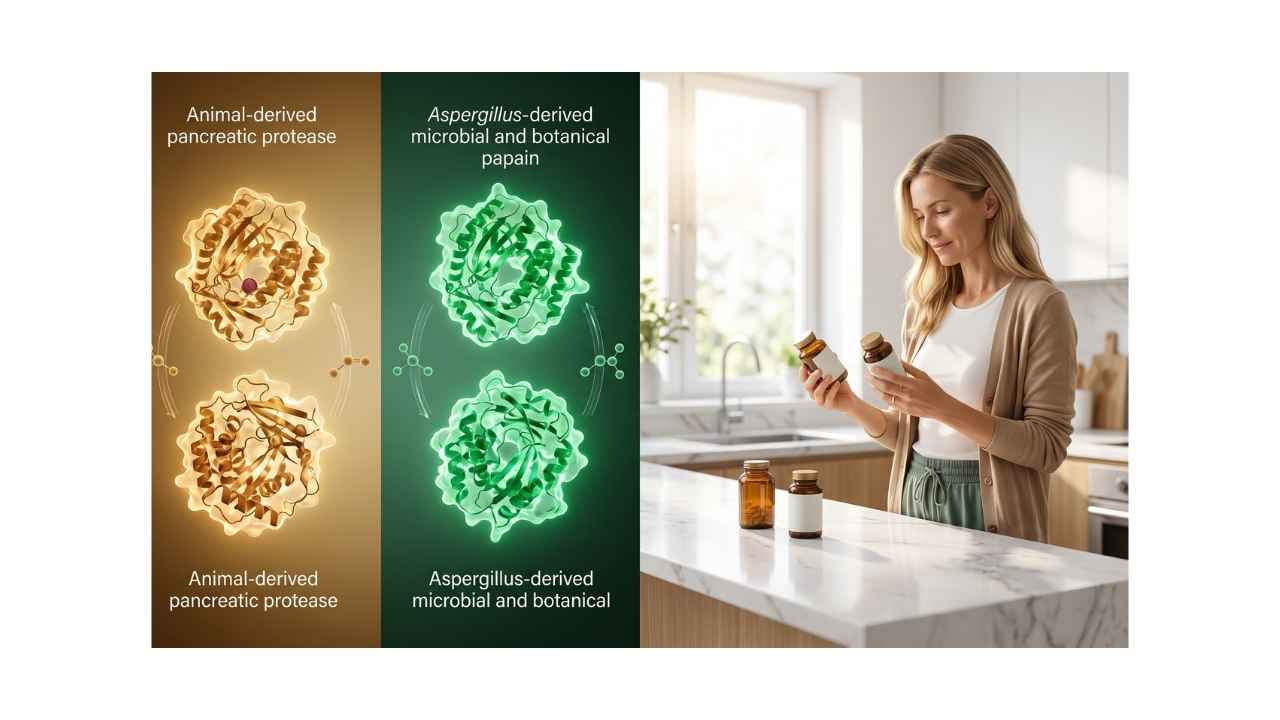
Once you understand the mechanisms detailed in our complete guide to digestive enzymes, selecting a supplemental enzyme formula presents a critical pharmacological fork in the road: should you choose animal-derived pancreatic enzymes or broad-spectrum plant and microbial formulations?
While both classes aim to hydrolyze macronutrients and eliminate postprandial distress, they operate under entirely different biological principles. Pancreatic and plant-derived enzymes differ in their biological sources, pH stability curves, catalytic speed, regulatory frameworks, and clinical indications.
Choosing the incorrect formulation often results in therapeutic failure—such as taking an acid-sensitive pancreatic extract that is neutralized in an acidic stomach, or using a mild plant blend to treat severe exocrine failure.
1. Source Architecture: Porcine Pancreatin vs. Plant & Microbial Biocatalysts
The fundamental difference between these two enzyme categories begins at their biological origin, directly dictating how each functions inside the human gastrointestinal tract after identifying a digestive enzyme deficiency.
Pancreatic Enzymes (Animal-Derived Pancreatin)
Supplemental pancreatic enzymes are harvested primarily from the exocrine pancreas of porcine (pig) or bovine (cow) donors. Porcine pancreatin closely mimics the physiological composition of human pancreatic juice, containing a fixed biological trio of enzymes:
- Pancreatic Protease: Primarily trypsin, chymotrypsin, and elastase, which cleave interior peptide bonds.
- Pancreatic Lipase: The critical enzyme responsible for hydrolyzing dietary triglycerides into absorbable monoglycerides and free fatty acids.
- Pancreatic Amylase: Hydrolyzes complex starches into oligosaccharides.
Because these enzymes are harvested directly from biological glandular tissue, porcine pancreatin contains standardized biological ratios of these three primary enzymes. However, it cannot hydrolyze plant-specific carbohydrates like cellulose or raffinose, and it is unsuitable for individuals adhering to vegan, vegetarian, kosher, or halal diets.
Plant & Microbial Enzymes (Fungal & Botanical)
Non-animal enzyme supplements do not rely on mammalian harvesting. Instead, they leverage two primary origins:
- Botanical Fruit Extracts: Highly concentrated proteolytic enzymes extracted directly from tropical fruits, specifically papain (from the latex of unripe Carica papaya) and bromelain (from the fruit and stem of Ananas comosus).
- Microbial & Fungal Fermentation: The vast majority of modern "plant-derived" commercial enzymes are produced via controlled solid-state fermentation of food-grade fungi, predominantly non-pathogenic strains of Aspergillus oryzae and Aspergillus niger.
Microbial fermentation allows biochemists to produce targeted, highly specific enzymes that mammalian pancreases do not synthesize. These include lactase (for dairy disaccharides), alpha-galactosidase (to cleave gas-producing oligosaccharides in legumes and cruciferous vegetables), cellulase and hemicellulase (to hydrolyze plant cell walls), and DPP-IV (dipeptidyl peptidase IV, for cleaving proline-rich gluten and casein peptides).
2. The pH Battlefield: Gastric Survival vs. Duodenal Activation
The physiological environment of the human digestive tract changes dramatically from organ to organ. Gastric parietal cells drop stomach pH to an acidic 1.5 to 2.5, whereas the duodenum neutralizes this environment with bicarbonate to reach a near-neutral pH of 6.0 to 7.5. This pH gradient represents the true dividing line between enzyme classes.
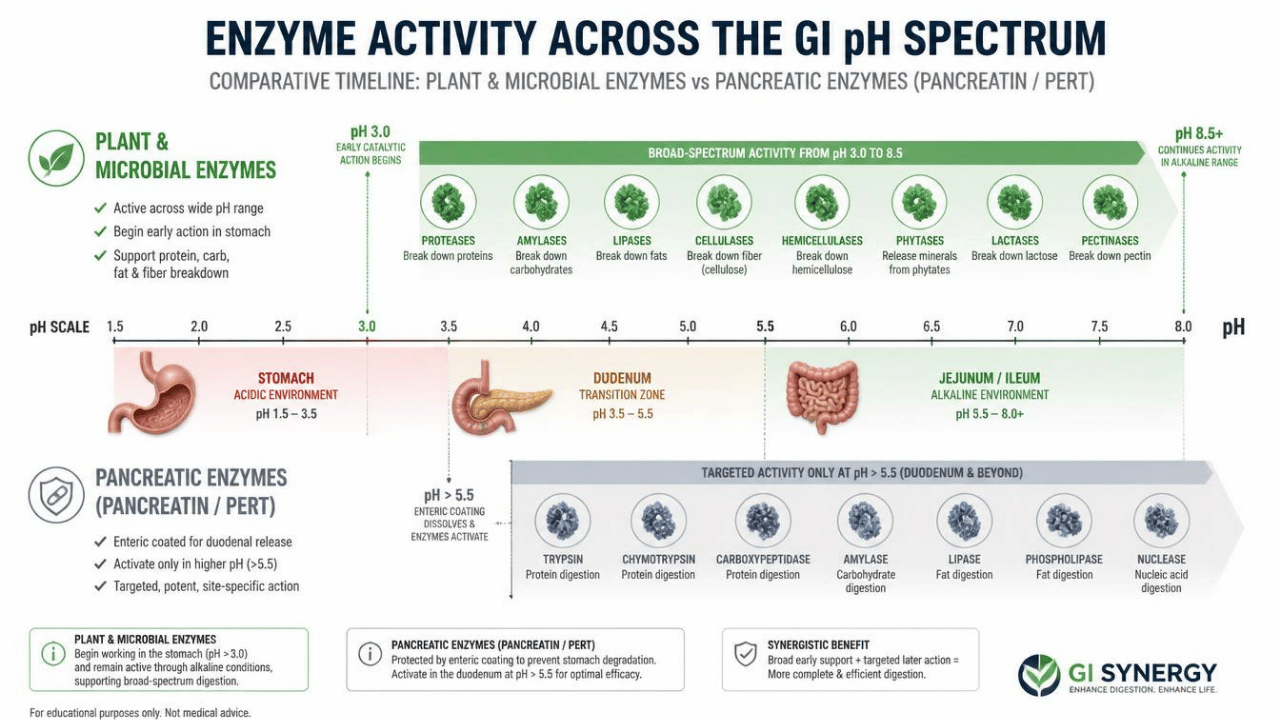
Figure 1: The Digestive pH Spectrum — Broad gastric activity of microbial enzymes vs. targeted duodenal activation of pancreatic extracts.
Pancreatic Enzymes: Acid-Labile and Duodenum-Restricted
Endogenous pancreatic enzymes are evolutionary designed to work strictly within the alkaline environment of the small intestine. When exposed to an acidic medium with a pH below 4.0, pancreatic lipase permanently denatures, losing more than 90% of its catalytic activity within minutes. Protease and amylase suffer similar degradation.
To prevent this gastric destruction, pharmaceutical-grade pancreatic enzyme replacement therapies (PERT, such as Creon or Zenpep) utilize a gastro-resistant enteric coating. This specialized polymer barrier remains insoluble in the acidic stomach, allowing the micro-pellets to pass through the pylorus undamaged.
Only when the pellets reach the alkaline duodenum (pH > 5.5) does the coating dissolve, releasing the enzymes directly at the natural site of nutrient absorption. However, if a patient has low duodenal bicarbonate output or severe gastric acid hypersecretion, the coating may fail to dissolve, rendering the dose inert.
Plant & Microbial Enzymes: Acid-Stable and Stomach-Active
Fungal enzymes derived from Aspergillus species are naturally acid-resistant. These biocatalysts remain stable and functionally active across an exceptionally broad pH spectrum, typically ranging from pH 3.0 up to pH 8.5.
Because they resist gastric acidity, microbial enzymes begin hydrolyzing food within the upper fundus of the stomach during the 30 to 60 minutes before full acid penetration occurs. This "pre-digestion" phase breaks down complex starches, proteins, and disaccharides into intermediate molecules before the food bolus reaches the duodenum.
By initiating enzymatic breakdown early in the stomach cavity, microbial enzymes reduce the downstream catalytic burden on the pancreas and prevent delayed gastric emptying and stomach heaviness.
3. Clinical Indications: Matching the Enzyme to Your Pathology
Determining whether your physiology requires pancreatic or plant-derived enzymes depends on the underlying etiology of your digestive symptoms.
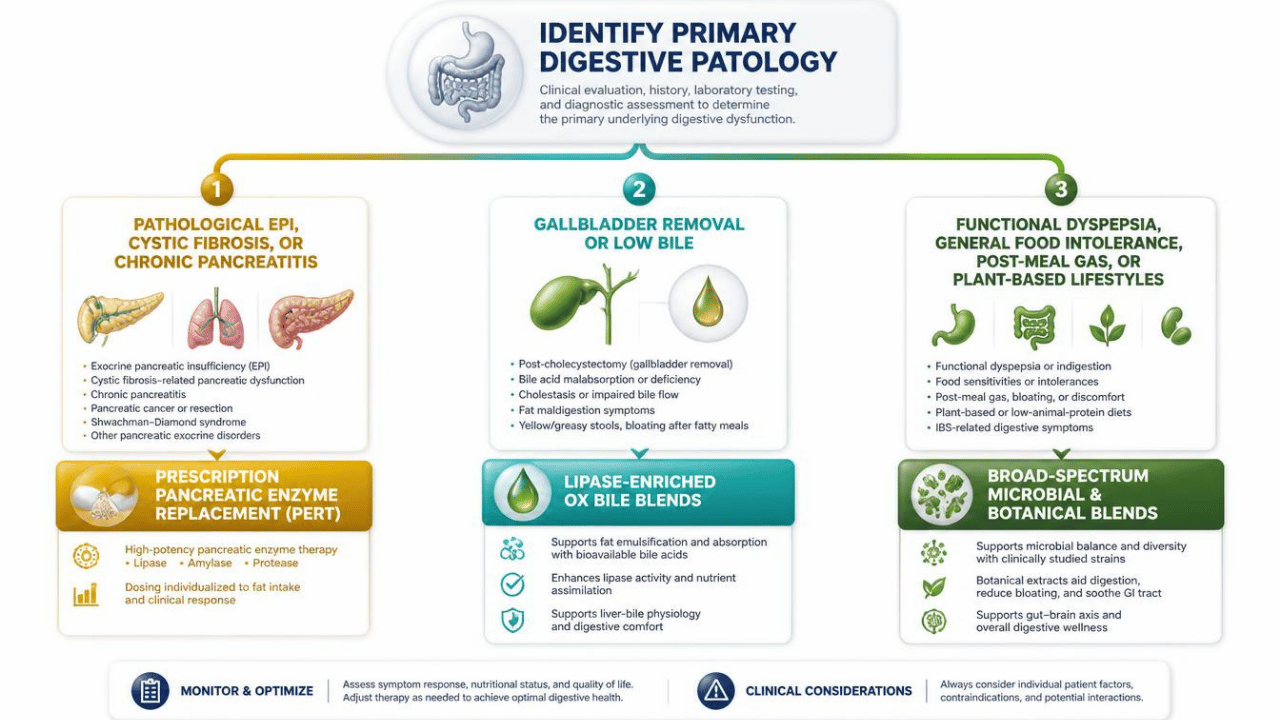 Figure 3: Clinical Decision Flowchart — Matching individual gastrointestinal pathology with the correct enzymatic architecture.
When Pancreatic Enzymes Are Essential (PERT)
Pancreatic extracts are the undisputed standard of care for severe, structural, and pathological pancreatic damage where the organ cannot produce intrinsic enzymes:
- Exocrine Pancreatic Insufficiency (EPI): Confirmed by a Fecal Elastase-1 score below 200 $\mu$g/g.
- Chronic Pancreatitis & Cystic Fibrosis: Structural conditions where acinar tissue is calcified or pancreatic ducts are obstructed.
- Post-Pancreatectomy or Gastric Bypass: Anatomical alterations where food transit bypasses normal pancreatic stimulation.
In these conditions, high-potency enteric-coated pancreatic lipase is mandatory to prevent progressive steatorrhea, cachexia, and systemic fat-soluble vitamin starvation. Over-the-counter plant enzymes do not contain sufficient lipase concentrations to compensate for total pancreatic exocrine failure.
When Plant & Microbial Enzymes Are Superior
For functional, non-pathological gastrointestinal complaints, microbial and plant-derived formulations provide broader clinical utility:
- Functional Dyspepsia & Postprandial Fullness: Individuals with normal pancreatic elastase who experience acute stomach bloating after eating.
- Specific Food Intolerances: Individuals needing targeted disaccharidases (lactase for dairy, alpha-galactosidase for beans and cruciferous vegetables, or DPP-IV for trace gluten).
- Hypochlorhydria (Low Stomach Acid): In patients with low stomach acid, enteric-coated pancreatic enzymes often fail to trigger properly, whereas acid-stable microbial enzymes thrive.
- Plant-Based and Ethical Lifestyles: Vegan and vegetarian patients who cannot consume porcine or bovine glandular products.
4. Dosing, Potency Units & Strategic Administration
Comparing supplement labels between pancreatic and plant enzyme formulas can be confusing because the two classes use completely different standardization systems.
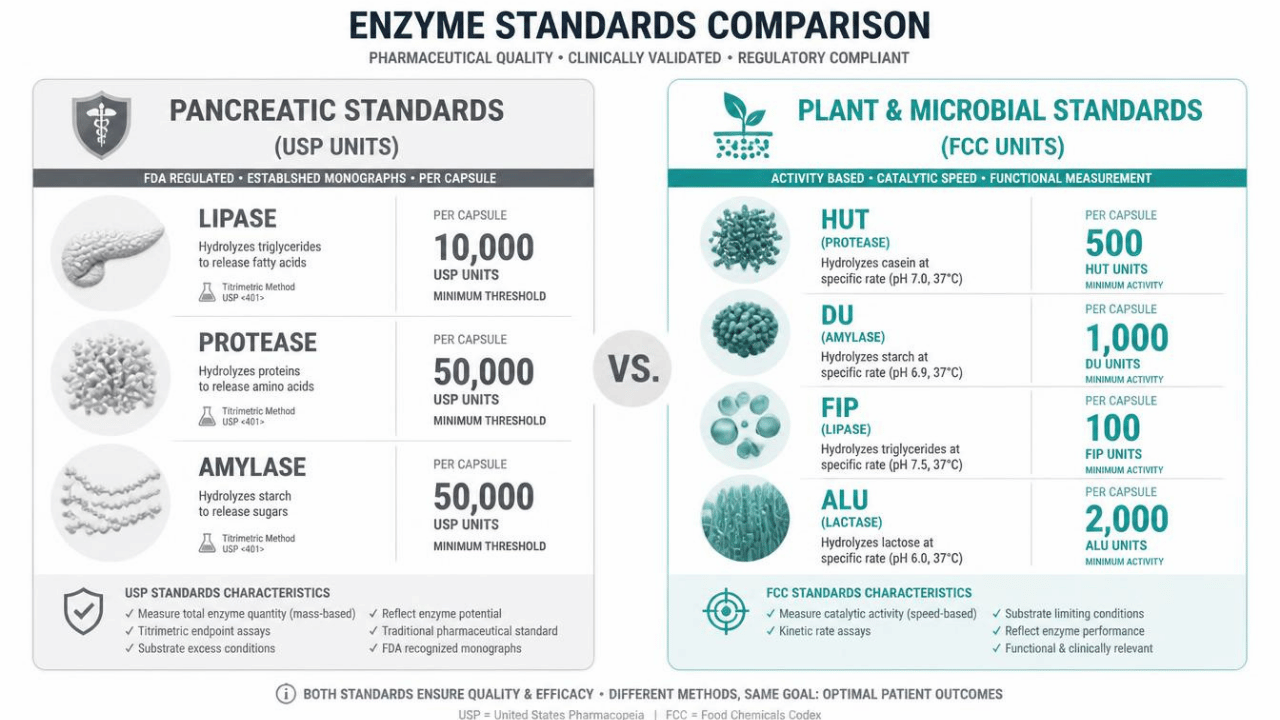 Figure 2: Standardizing Biological Potency — Understanding USP, FCC, HUT, and FIP activity metrics.
Never evaluate enzyme potency by milligrams alone. Milligrams measure raw powder weight, not catalytic activity. High-quality supplements display activity units standardized by the Food Chemicals Codex (FCC) or the United States Pharmacopeia (USP):
- Pancreatic Enzyme Standardization (USP Units): Pancreatin is standardized by USP activity units per dose, focusing heavily on Lipase (e.g., 20,000 to 40,000 USP units per meal for clinical EPI), Protease (USP), and Amylase (USP).
- Plant & Microbial Standardization (FCC Units): Microbial formulas utilize substrate-specific FCC units. Protease is measured in HUT (Hemoglobin Units on a Tyrosine base), Amylase in DU (Dextrinizing Units), Lipase in FIP units, Lactase in ALU (Acid Lactase Units), and Alpha-Galactosidase in GalU.
To achieve optimal results, take supplemental enzymes with the very first bites of a solid meal. Taking them after eating diminishes their catalytic window, allowing intact macronutrients to pass into the lower bowel where they trigger bloated stomach at night and nocturnal fermentation.
Frequently Asked Questions (FAQ)
1. Can I use plant-derived enzymes to treat clinical Exocrine Pancreatic Insufficiency (EPI)?
Plant enzymes cannot replace prescription Pancreatic Enzyme Replacement Therapy (PERT) for severe EPI. Clinical EPI requires massive concentrations of standardized lipase (often 30,000 to 50,000 USP units per meal) protected by an enteric coating. Over-the-counter plant enzymes typically do not provide sufficient lipase potency to prevent severe fat malabsorption in structural pancreatic failure.
2. Are plant-derived enzymes suitable for vegans and vegetarians?
Yes. Enzymes derived from Aspergillus fungal fermentation, papain (papaya), and bromelain (pineapple) are 100% plant- and microbial-based, making them ideal for vegans, vegetarians, and those requiring kosher or halal supplements.
3. What is pancreatin made from?
Pancreatin is an animal-derived extract harvested from the exocrine pancreas of pigs (porcine) or cows (bovine). It contains a natural biological ratio of pancreatic amylase, lipase, and protease.
4. Why do plant enzymes work faster in the stomach than pancreatic enzymes?
Plant and fungal enzymes remain stable in acidic environments (pH 3.0 to 5.0), allowing them to begin hydrolyzing food within the upper stomach cavity during the initial phase of digestion. Pancreatic enzymes require a near-neutral pH (above 6.0) and remain inactive until the food enters the duodenum.
5. Do pancreatic enzymes require a prescription?
High-potency, enteric-coated formulations designed for clinical EPI (such as Creon, Zenpep, and Pancreaze) require a medical prescription. Lower-dose pancreatin supplements are available over the counter, though their quality and gastric acid resistance vary widely.
6. Which enzyme type is better for gas caused by beans and vegetables?
Plant and microbial formulas are superior for gas caused by complex carbohydrates. They contain specialized enzymes like alpha-galactosidase and cellulase, which cleave the oligosaccharides and plant fibers found in legumes and brassica vegetables. Mammalian pancreatic juices do not produce these enzymes.
7. Can I take plant and pancreatic enzymes together?
Yes. Some functional formulations combine moderate doses of pancreatin with fungal enzymes to provide dual coverage: microbial enzymes initiate breakdown in the acidic stomach, while pancreatic extracts complete lipid and protein hydrolysis in the duodenum.
8. What happens if an enteric-coated pancreatic enzyme capsule is crushed or chewed?
Crushing or chewing an enteric-coated capsule destroys the protective polymer barrier, exposing the enzymes to stomach acid, which permanently inactivates the lipase. It can also cause localized mucosal irritation and ulceration in the mouth and esophagus.
9. Are plant enzymes safe for people with mold allergies?
While fungal enzymes are derived from Aspergillus oryzae or Aspergillus niger fermentations, the final product is highly purified protein with all fungal cellular debris removed. However, individuals with severe mold allergies should exercise caution and consult their physician before using fungal-derived supplements.
10. What enzymes should I take after gallbladder removal?
Patients without a gallbladder typically struggle to emulsify and digest dietary lipids. A high-potency lipase supplement—often paired with ox bile extracts—is the most effective strategy to support post-cholecystectomy fat digestion.
11. Why do enzyme supplements list units like HUT, DU, and FIP instead of milligrams?
Milligrams merely indicate the physical weight of the powder, not its biological strength. Units like HUT (protease), DU (amylase), and FIP (lipase) measure actual enzymatic activity—how much substrate the enzyme can chemically cleave under standardized laboratory conditions.
12. Can long-term use of plant enzymes suppress my natural pancreatic production?
No. Exogenous digestive enzyme supplementation does not suppress the body's intrinsic pancreatic output. Pancreatic secretion is regulated by local neurohormonal triggers (cholecystokinin and secretin) responding to meals, not by circulating systemic enzyme levels.
13. Which enzyme class is better for lactose intolerance?
Microbial and plant-derived formulations are necessary for lactose intolerance. The mammalian pancreas does not secrete lactase; lactase is normally produced by enterocytes on the intestinal brush border. Supplemental lactase derived from fungal fermentation is required to break down dairy sugars.
14. What are the common side effects of taking too many digestive enzymes?
Excessive enzyme intake can cause mild abdominal cramping, transient nausea, or soft stools. High doses of proteases taken without sufficient dietary protein can also cause mild irritation of the stomach lining.
15. How do I know if my enzyme supplement is working effectively?
Effective enzyme supplementation produces noticeable clinical improvements within 1 to 5 days: a significant reduction in post-meal bloating and gas, elimination of epigastric heaviness, normalized stool consistency (stools that sink without oily residue), and improved postprandial energy.
Matching Enzyme Chemistry to Your Digestive Needs
Choosing between pancreatic and plant-derived digestive enzymes is not a matter of which product is inherently superior, but which biochemical profile matches your physiology.
If you manage clinical exocrine pancreatic insufficiency, chronic pancreatitis, or severe structural malabsorption, high-potency, enteric-coated pancreatic enzymes remain the essential medical standard of care. Conversely, if your goals involve relieving post-meal bloating, addressing specific food intolerances like lactose or oligosaccharides, or supporting sluggish digestion from low stomach acid, broad-spectrum microbial and plant-derived enzymes offer the acid-stable, multi-substrate flexibility needed to restore complete digestive comfort.
Recommended Reading
- The Complete Guide to Digestive Enzymes: How They Break Down Food, Stop Bloating & Restore Gut Function – Explore the full enzymatic breakdown cascade, the specific roles of amylase, protease, and lipase, and how to use digestive enzymes for optimal gut health.
- How to Tell If You Have a Digestive Enzyme Deficiency: Symptoms, Root Causes & At-Home Self-Assessment – Learn how to identify symptoms of digestive enzyme deficiency, understand the root causes, and try a 3-part at-home self-assessment before seeking clinical testing.
- Stomach Bloating After Eating: Motility Failure vs Microbial Fermentation – Discover why postprandial distension occurs, the difference between impaired stomach emptying and colonic fermentation, and how to restore digestive motility.
- Food Sitting in Stomach for Hours? Delayed Gastric Emptying Symptoms & How to Speed Up Digestion – Explore the clinical drivers behind sluggish upper GI transit, antral hypomotility, and natural strategies to clear heavy stomach stagnation.
keep reading
Gut Health & Supplements
DigestiStart Review: Can This Herbal Formula Help Restore Digestive Health & Relieve Bloating?
Gut Health & Supplements
The Ultimate Guide to GERD: Causes, Symptoms & Natural Relief
Gut Health & Supplements