Ceylon Cinnamon & Glucomannan: Blood Sugar, Satiety & GLP-1 Science
Discover how Ceylon cinnamon and glucomannan work synergistically for blood sugar balance, insulin sensitivity, gastric delay, and natural GLP-1 satiety.

disclosure This article contains affiliate links. Purchases may earn us a commission at no extra cost to you. We only recommend products we've reviewed.
Ceylon Cinnamon and Glucomannan: The Science of Blood Sugar Balance and Natural Satiety

Figure 1: Ceylon cinnamon quills paired with pure glucomannan fiber, illustrating the dual-action mechanism of insulin receptor activation and mechanical satiety signaling.
Achieving sustained metabolic health requires managing two interconnected biological challenges: blunting post-meal blood glucose spikes and regulating neurological appetite signals. While synthetic appetite suppressants often force central nervous system stimulation, botanical and dietary fiber compounds offer a gentler, more sustainable approach directly within the gastrointestinal tract.
Among natural metabolic co-factors, the combination of Ceylon cinnamon (Cinnamomum verum) and glucomannan (konjac root fiber) represents one of the most effective nutritional pairings. By combining molecular insulin mimetics with viscous prebiotic fiber, this synergy flattens glucose curves, delays gastric transit, and activates gut-derived satiety peptides.
Ceylon Cinnamon: True Cinnamon vs. Cassia for Glycemic Control
Not all cinnamon offers the same clinical profile. The commercial spice market is dominated by Cassia cinnamon (Cinnamomum cassia), which contains substantial concentrations of coumarin, a natural compound known to cause hepatotoxicity and liver strain with prolonged daily use.
In contrast, Ceylon cinnamon (Cinnamomum verum), known as "true cinnamon," contains only trace amounts of coumarin, making it safe for daily therapeutic supplementation.
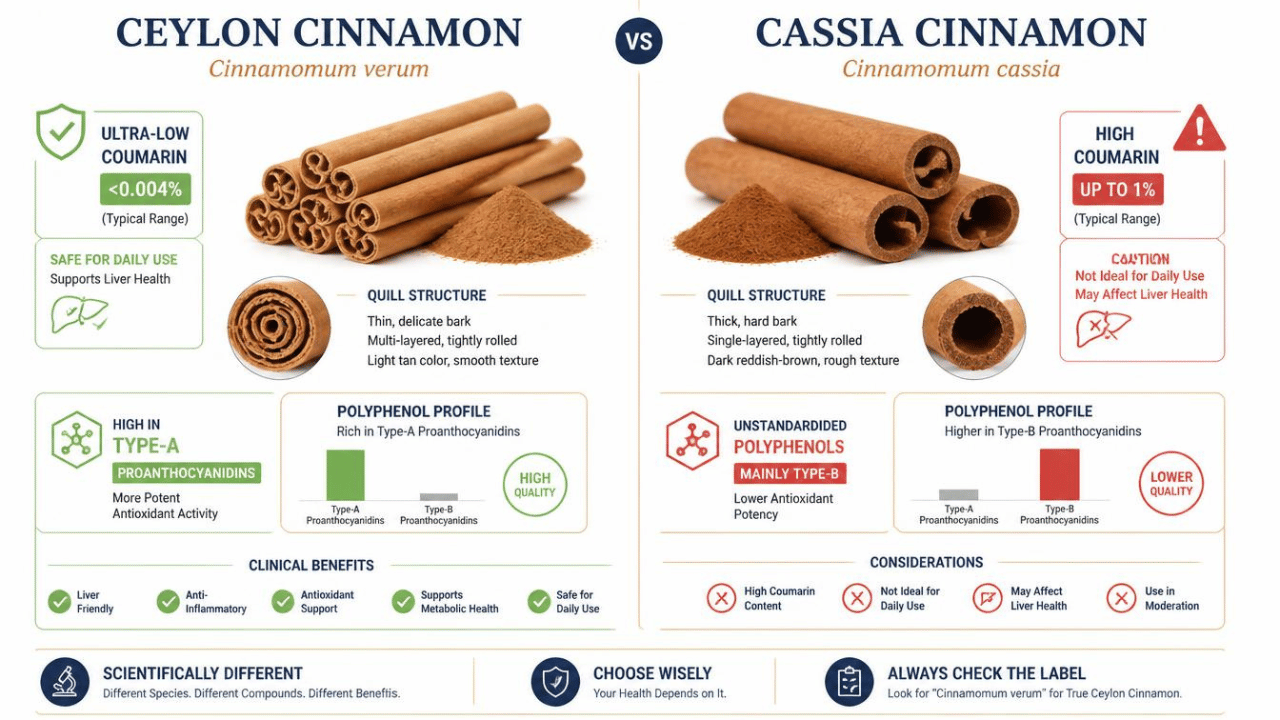
Figure 2: Clinical comparison between Ceylon Cinnamon (Cinnamomum verum) and Cassia Cinnamon (Cinnamomum cassia), highlighting coumarin safety profiles, polyphenol density, and quill structure.
The Insulin-Mimetic Mechanism
Ceylon cinnamon contains water-soluble Type-A proanthocyanidins. These bioactive polyphenols phosphorylate insulin receptors on cell surfaces, mimicking the action of insulin. This allows skeletal muscle cells to extract glucose from the bloodstream efficiently, reducing post-prandial insulin surges and preventing reactive hypoglycemia.
Glucomannan: The Viscous Prebiotic Engine for Satiety and GLP-1
Derived from the root of the konjac plant (Amorphophallus konjac), glucomannan is a water-soluble, highly viscous polysaccharide fiber capable of absorbing up to 50 times its weight in water.
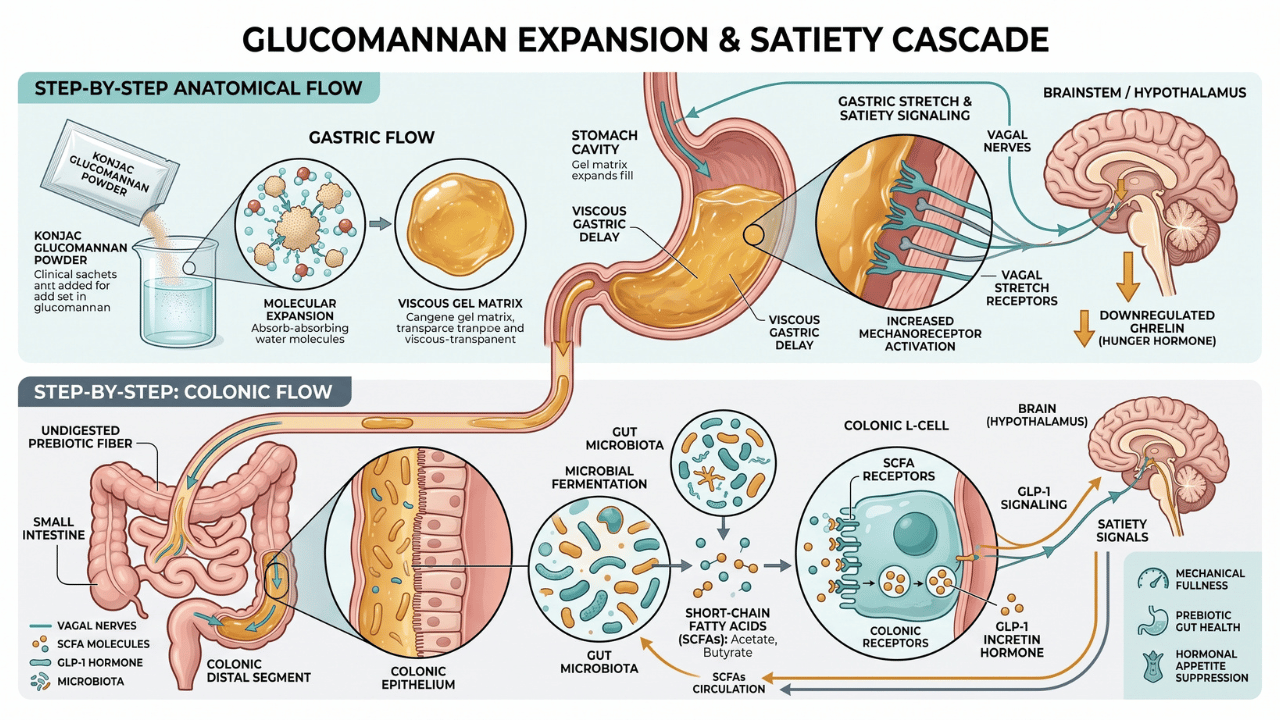
Figure 3: The dual physiological actions of Glucomannan: mechanical stomach distension suppressing ghrelin, and colonic fermentation driving short-chain fatty acids and GLP-1 secretion.
1. Gastric Distension and Mechanical Fullness
When ingested with water prior to a meal, glucomannan forms a non-digestible gel matrix in the stomach. This gel expands gently, stimulating gastric stretch mechanoreceptors that signal the vagus nerve to suppress ghrelin (the hunger hormone).
2. Slowed Carbohydrate Absorption
The dense viscous mesh traps digestive enzymes and carbohydrates, significantly slowing the rate at which simple sugars enter the duodenum. This prevents rapid glucose absorption and prevents post-meal energy crashes.
3. Endogenous GLP-1 and SCFA Generation
As glucomannan travels to the lower intestine, it undergoes fermentation by beneficial bacteria. This process yields short-chain fatty acids (acetate, propionate, and butyrate) that bind to free fatty acid receptors on intestinal L-cells, promoting natural GLP-1 (Glucagon-Like Peptide-1) release.
The Metabolic Synergy: Why Pairing Them Outperforms Monotherapies
When used in isolation, individual metabolic supplements often address only one side of energy regulation:
- Isolated Cinnamon: Enhances insulin receptor sensitivity but does not physically expand or trigger satiety mechanoreceptors.
- Isolated Fiber: Delays gastric emptying but does not directly phosphorylate intracellular GLUT4 glucose transporters.
By combining standardized Ceylon Cinnamon with high-purity Konjac Glucomannan, you create a comprehensive metabolic barrier:
- Phase 1 (Stomach): Glucomannan expands, slowing gastric transit and sending early fullness signals to the brain.
- Phase 2 (Small Intestine): Carbohydrate breakdown is moderated, blunting rapid sugar surges into the bloodstream.
- Phase 3 (Cellular Level): Ceylon cinnamon polyphenols facilitate the rapid clearing of circulating glucose into muscle tissues.
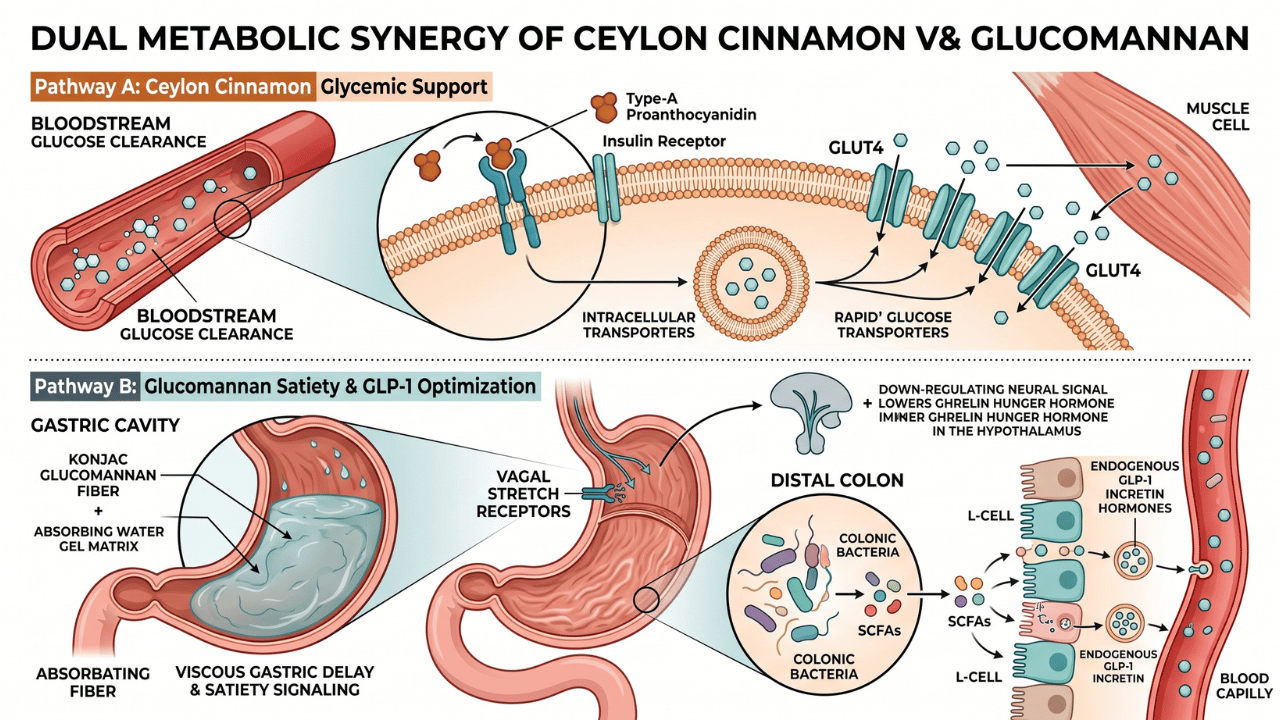
Figure 4: The dual metabolic synergy: Ceylon cinnamon acts at the cellular insulin receptor level while glucomannan provides physical gastric delay and prebiotic GLP-1 stimulation.
This multi-targeted botanical strategy matches the approach detailed in our review of multi-pathway formulas like LipoJaro, which pairs these ingredients with bioactive alkaloids and probiotic defenders.
Strategic Integration with Other Metabolic Compounds
For individuals addressing complex metabolic resistance, pairing Ceylon cinnamon and glucomannan with targeted botanical compounds enhances overall cellular efficiency:
- With Berberine HCL: While cinnamon supports insulin receptors and glucomannan expands in the gut, adding berberine triggers intracellular AMPK enzymes for enhanced fat oxidation. Explore the molecular mechanics in our guide to berberine for weight loss and metabolic balance and our breakdown of the best berberine supplement forms.
- With Akkermansia Strains: Viscous fibers supply the structural prebiotic fuel necessary for mucin-degrading bacteria like Akkermansia muciniphila, enhancing gut barrier integrity as outlined in our guide on Akkermansia benefits and satiety signaling.
Practical Dosage, Protocol Timing, and Safety Guidelines
Optimal Dosing and Administration
- Ceylon Cinnamon (Cinnamomum verum): 500 mg to 1,000 mg daily, standardized for polyphenol content.
- Glucomannan (Konjac Root): 1,000 mg (1 gram) taken 3 times daily, 30 to 45 minutes before main meals.
- Hydration Requirement: Always consume glucomannan with at least 8 to 10 ounces (250–300 ml) of water. Ingesting dry glucomannan powder without adequate liquid can cause esophageal blockage or choking.
Managing Digestive Transit
Introducing viscous fibers can cause temporary changes in bowel habits, mild bloating, or gas as intestinal microflora adapt. These shifts are similar to the adjustments seen during upper digestive emptying resets.
Individuals dealing with underlying gut tension should explore our protocols for stress-related gut motility stalls and evening abdominal distension, or review strain selections in our guide to Lactobacillus species.
Summary of Ceylon Cinnamon & Glucomannan Benefits
- Ceylon Cinnamon (Cinnamomum verum) provides safe, low-coumarin polyphenols that mimic insulin and clear blood glucose without liver toxicity.
- Glucomannan provides physical stomach distension, blunts post-meal sugar spikes, and stimulates natural GLP-1 hormone release via SCFA production.
- Combining both nutrients addresses gastric emptying, glucose uptake, and appetite signaling simultaneously.
- Proper hydration (8–10 oz of water per dose) is mandatory for the safe, effective use of konjac root fiber.
Frequently Asked Questions (FAQ)
1. What is the difference between Ceylon cinnamon and regular Cassia cinnamon?
Ceylon cinnamon (Cinnamomum verum) is "true cinnamon," containing negligible coumarin (< 0.004%), making it safe for daily use. Cassia cinnamon contains high coumarin levels that can cause liver damage with long-term supplementation.
2. How does glucomannan promote weight loss?
It absorbs water in the stomach to form a viscous gel matrix, expanding to stimulate vagal stretch receptors that signal fullness, while also slowing digestion and glucose absorption.
3. Does Ceylon cinnamon help lower blood sugar?
Yes. Its water-soluble Type-A proanthocyanidins phosphorylate insulin receptors, enhancing cellular glucose uptake and improving overall insulin sensitivity.
4. How should glucomannan be taken safely?
Take 1 gram of glucomannan in capsule or powder form 30 to 45 minutes before meals, always accompanied by at least 8 to 10 ounces (a full glass) of water to prevent esophageal obstruction.
5. Can Ceylon cinnamon and glucomannan be taken together?
Yes. They complement each other: glucomannan provides physical gastric delay and satiety in the gut, while Ceylon cinnamon works at the cellular level to manage glucose disposal.
6. Does glucomannan increase natural GLP-1?
Yes. As gut bacteria ferment glucomannan in the lower bowel, they produce short-chain fatty acids (SCFAs) that trigger enteroendocrine L-cells to release endogenous GLP-1.
7. How long before a meal should I take Ceylon cinnamon?
It is most effective when taken 20 to 30 minutes before meals containing carbohydrates to help blunt post-prandial glucose spikes.
8. Are there side effects associated with glucomannan?
Mild side effects can include loose stools, gas, or temporary bloating during the first week. Taking it with plenty of water minimizes these symptoms.
9. Can I take Ceylon cinnamon if I have liver issues?
Ceylon cinnamon is safe because of its minimal coumarin content. However, individuals with liver conditions should strictly avoid Cassia cinnamon and consult their physician before starting any supplementation.
10. Does glucomannan interfere with prescription medications?
Because glucomannan slows gastric emptying, it can reduce or delay the absorption of oral medications. Take prescription drugs at least 1 hour before or 4 hours after consuming glucomannan.
11. What is the recommended daily dosage of Ceylon cinnamon?
Clinical studies generally evaluate doses ranging from 500 mg to 1,500 mg per day of standardized Cinnamomum verum extract.
12. Does glucomannan help reduce cholesterol?
Yes. By binding to bile acids in the digestive tract and carrying them out through bowel movements, glucomannan forces the liver to use circulating cholesterol to produce more bile, helping reduce LDL levels.
13. Can pregnant or breastfeeding women take these supplements?
Pregnant or nursing mothers should consult their healthcare provider prior to using therapeutic doses of Ceylon cinnamon extracts or glucomannan.
14. How quickly do Ceylon cinnamon and glucomannan work?
Satiety from glucomannan occurs within 30 to 45 minutes of ingestion. Blood sugar blunting occurs with the immediate meal, while sustained improvements in insulin sensitivity and lipid profiles typically develop over 4 to 8 weeks.
15. Can I combine this protocol with Berberine?
Yes. Berberine adds AMPK cellular enzyme activation, creating a comprehensive trio: physical gastric satiety (glucomannan), insulin receptor support (cinnamon), and cellular metabolic burn (berberine).
Recommended Reading (Related Guides)
- 📖 LipoJaro Review: Does This Microbiome & GLP-1 Metabolic Formula Actually Work?
- 📖 Berberine for Weight Loss: AMPK Activation, Natural GLP-1 & Metabolic Science
- 📖 Best Berberine Supplement: How to Choose the Right Form, Dose & Brand
- 📖 Akkermansia Benefits: How the "Lean Bacteria" Activates GLP-1, Metabolism & Gut Barrier Defense
- 📖 Food Sitting in Stomach for Hours? Delayed Gastric Emptying Symptoms & Motility Solutions
keep reading
Gut Health & Supplements
DigestiStart Review: Can This Herbal Formula Help Restore Digestive Health & Relieve Bloating?
Gut Health & Supplements
The Ultimate Guide to GERD: Causes, Symptoms & Natural Relief
Gut Health & Supplements